
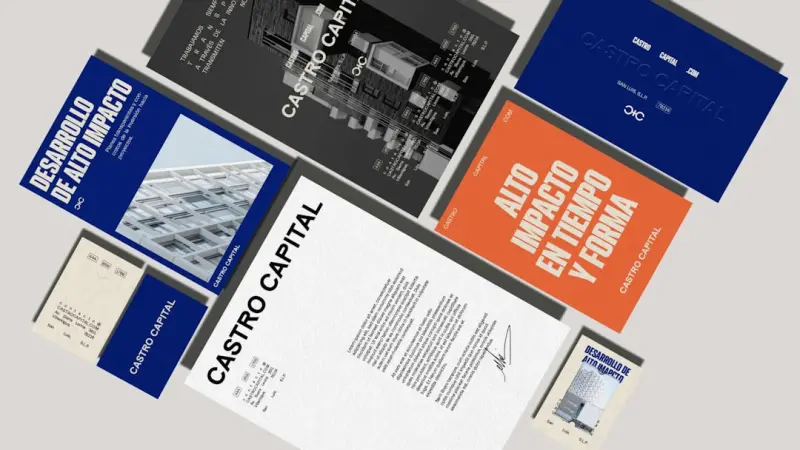
Why the Senses Matter More Than Logos in Modern Branding
When I first stepped into the world of brand strategy, I was taught that a logo, a color palette, and a tagline were the holy trinity of brand identity. Those elements still matter, but they’re increasingly acting as the surface of a deeper, multi‑sensory experience. Today’s consumers don’t just see a brand—they feel it, hear it, and even smell it. Ignoring those touchpoints means leaving massive equity on the table.
Beyond the Visual: Mapping the Five Senses to Brand Touchpoints
Let’s break down each sense and explore how it can become a strategic brand lever.
- Sight – The traditional playground of logos, typography, and UI design. While still critical, visual cues should serve a narrative, not the other way around.
- Sound – From jingle snippets to the tonal quality of a customer‑service call, auditory cues embed memory faster than static images.
- Smell – The olfactory system is wired directly to the brain’s emotion center. A signature scent can trigger instant brand recall.
- Taste – Rare, but powerful for food, beverage, and even tech (think “taste of innovation” in product demos).
- Touch – Material choices, product weight, and even haptic feedback on digital interfaces convey quality and intent.
When these senses work in harmony, they create a sensory ecosystem that feels intentional rather than accidental.
Case Study: The Aroma of Trust
One of the most compelling examples of olfactory branding comes from a global airline that infused its lounges with a bespoke “sky‑linen” fragrance. Passengers who walked through the scent‑laden space reported a 27% increase in perceived service quality, even though the actual service remained unchanged. The scent became a non‑verbal promise that the brand delivered on.
What can a SaaS company learn from an airline’s perfume? It’s not about spraying perfume in a server room. It’s about translating that principle—using a consistent, subtle cue that signals reliability. For a cloud platform, the “scent” could be a distinctive onboarding video soundtrack, a specific tone in system notifications, or a recurring visual motif in dashboards that subconsciously reassures users they’re in a safe environment.
Sound Design: From Jingles to UI Audio Cues
Sound is a double‑edged sword. A well‑crafted jingle can become an earworm that drives brand recall. Yet, poorly chosen audio—like an over‑bearing notification sound—can create irritation.
Take the example of a productivity app that introduced a soft “ding” when a task was completed. Users reported feeling a subtle sense of achievement, boosting daily engagement by 15%. The key was contextual relevance: the sound matched the app’s calm, focused brand personality.
To embed sound strategically, ask yourself:
- What emotion do I want the user to feel at this moment?
- Does the audio reinforce our brand tone (e.g., playful vs. authoritative)?
- Is the sound unobtrusive enough to be welcomed, not forced?
Touch and Haptics: Making the Digital Tangible
Haptic feedback is no longer exclusive to gaming controllers. Mobile and wearable devices now support nuanced vibrations that can convey status, error, or success.
Imagine a B2B SaaS platform that uses a gentle pulse when a report finishes generating. That tiny vibration tells users, “Your data is ready,” without them having to stare at a loading spinner. The result? Reduced cognitive load and higher perceived efficiency.
Even in desktop environments, material design principles—like subtle shadows and layered cards—communicate depth and interactivity, allowing users to feel the hierarchy of information.
Integrating Sensory Branding Into Your Brand Architecture
Most companies treat sensory elements as afterthoughts. The smarter ones embed them from day one, weaving them into the brand’s personal connection narrative and the broader business strategy.
Here’s a step‑by‑step framework to get started:
- Audit Existing Sensory Touchpoints – Map every place a consumer interacts with your brand (website, emails, support calls, physical swag).
- Define Sensory Goals – Decide what each sense should communicate (e.g., trust through scent, focus through sound).
- Prototype and Test – Use low‑fidelity prototypes (audio clips, scent samples) and gather feedback from a representative user group.
- Scale with Data – Leverage analytics to measure impact. For instance, data‑driven brand strategy can reveal which sensory cues boost retention.
- Document Standards – Create a sensory style guide that lives alongside your visual brand guidelines.
Measuring the ROI of Sensory Branding
It can feel intangible, but sensory branding yields concrete metrics:
- Brand Recall – Studies show olfactory cues improve recall by up to 70% compared to visual cues alone.
- Customer Satisfaction (CSAT) – Audio cues that align with user expectations raise CSAT scores by 12‑15%.
- Engagement Duration – Haptic feedback can increase session length by 8% as users feel more in control.
- Referral Rates – A cohesive sensory experience often becomes a talking point, driving word‑of‑mouth referrals.
Tracking these metrics requires a blend of traditional surveys, behavioral analytics, and—when possible—physiological measures (e.g., eye‑tracking, skin conductance). Even simple A/B tests, like swapping one notification sound for another, can surface valuable insights.
Common Pitfalls and How to Avoid Them
Overloading the Senses – Bombarding users with too many cues creates cognitive fatigue. Prioritize one or two senses per touchpoint.
Inconsistent Execution – A brand that smells cinnamon in its offices but plays techno in its ads sends mixed messages. Consistency builds trust.
Neglecting Accessibility – Not all users can perceive every sense. Provide alternatives (e.g., visual captions for audio cues, tactile alternatives for visual‑only elements).
Future Trends: AI‑Generated Sensory Assets
The rise of generative AI isn’t limited to copy and images. Emerging platforms can now synthesize custom soundscapes and even predict scent profiles based on brand attributes. This opens the door for hyper‑personalized sensory experiences at scale—imagine a dashboard that subtly adapts its background hue and ambient sound based on a user’s stress level.
However, AI should augment, not replace, human intuition. The best sensory brand moments still stem from deep empathy for the audience.
Putting It All Together: A Sensory Brand Blueprint
Below is a concise checklist you can paste into your brand playbook:
- Identify core brand values (e.g., reliability, innovation, warmth).
- Map each value to one or two senses (e.g., reliability → steady auditory tone; warmth → subtle vanilla scent).
- Design prototype assets for each sense.
- Run controlled user tests and collect quantitative and qualitative data.
- Iterate based on feedback, then lock in a sensory style guide.
- Integrate sensory standards into all product, marketing, and office design processes.
When executed thoughtfully, sensory branding turns a brand from a static symbol into a living experience—one that users remember, love, and advocate for.
Actionable First Steps for Your Team
1. Schedule a Sensory Audit – Gather cross‑functional stakeholders (design, product, CX) for a 90‑minute workshop.
2. Choose a Pilot Touchpoint – Perhaps the onboarding email sequence. Add a consistent tonal cue to the welcome video and a subtle background scent in the office for new hires.
3. Set Success Metrics – Define what success looks like (e.g., 10% lift in onboarding completion rate) and track it for 30 days.
4. Document Learnings – Capture what worked, what didn’t, and update the brand playbook.
By starting small and scaling responsibly, you’ll build a brand that isn’t just seen—it’s felt in every interaction.

Sanji Patel has dedicated 25 years to the SEO industry. As an expert SEO consultant for news publishers, he emphasizes providing both technical and editorial SEO services to news publishers worldwide. He frequently speaks at conferences and events globally and offers annual guest lectures at local universities.
Related Posts

Adaptive Brand Systems: Staying Relevant in a Fluid Market
Explore why static brand guidelines fall short in today’s multi‑channel SaaS world and discover ... Read More
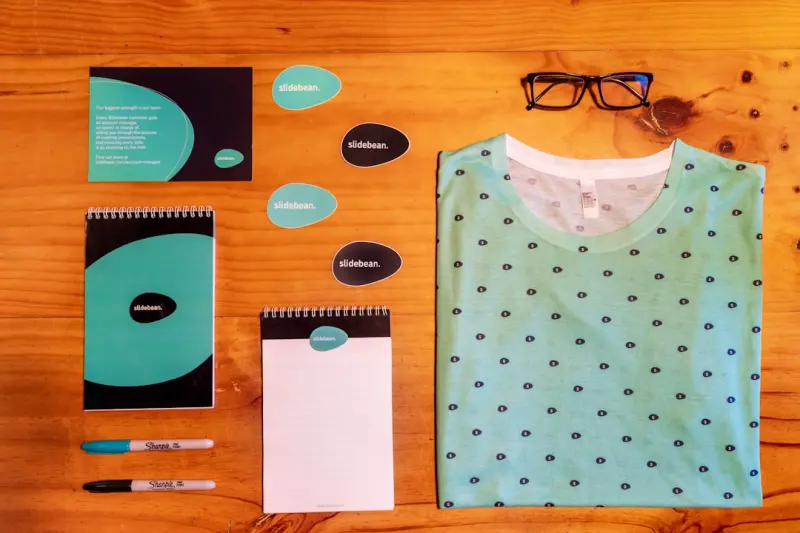
Branding as a Living System: Turning Identity into an Ongoing Conversation
A brand is no longer a static logo but a living system that listens, tells stories, and grows with i... Read More
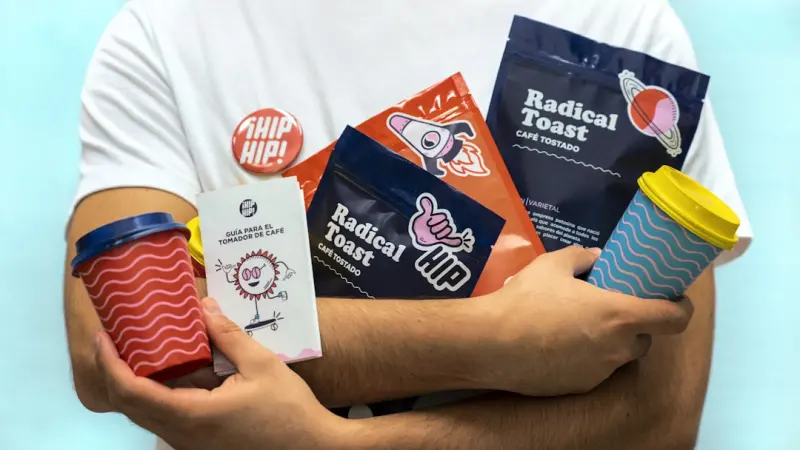
The Quiet Power of Trust‑First Branding for B2B SaaS
A deep dive into trust‑first branding for B2B SaaS, exploring AI‑enhanced storytelling, unified ... Read More
Top Posts

Edge Computing and Distributed AI: The Next Tech Frontier
Discover the rise of edge computing and distributed AI, how they reduce latency, enhance security, and enable real‑time innovation across industries....Read More
WordPress Goes Green: Amanda Williams’ Insider Guide to Sustainable Site Building
Amanda Williams shares practical WordPress strategies—from green hosting to sustainable design—that cut energy use, boost speed, and align your site with to...Read More

Intelligent Industrial Products: Merging Strength with Smart Sustainability
Industrial product leaders can gain a competitive edge by embedding sensors, adopting circular design, leveraging digital twins, and upskilling workforces with ...Read More

Flight Simulators Transform Corporate Education
Flight simulators, once the domain of pilots, are now revolutionizing corporate training by providing immersive, risk‑free environments that sharpen decisionâ...Read More
0 Comments
Post Comment
You will need to Login or Register to comment on this post!