
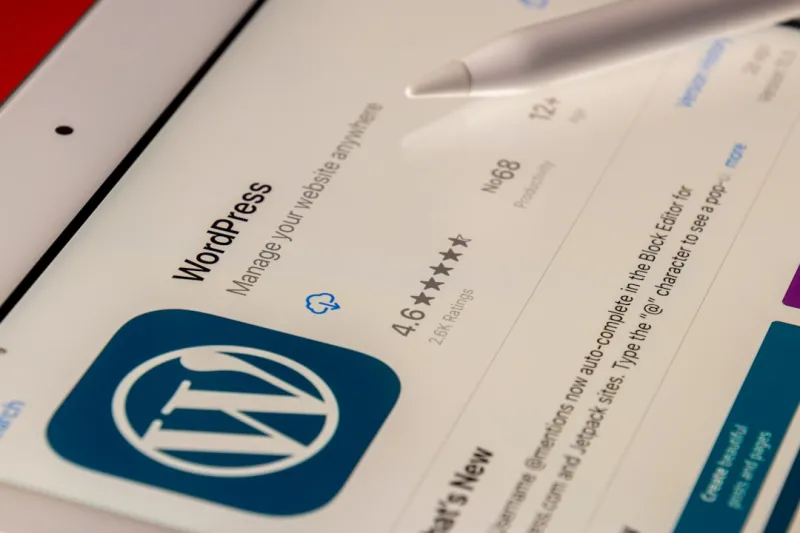
Why WordPress Feels Like Home for the Eco‑Conscious Blogger
When I first switched my personal blog to WordPress two years ago, I was chasing two goals simultaneously: a platform that gave me the creative freedom to share my sustainability experiments, and a system that wouldn’t silently guzzle electricity like an outdated desktop in a server farm. WordPress’s open‑source nature means I can audit every line of code, replace bloated plugins with lean alternatives, and host my site on providers that publish real‑time carbon‑offset data, turning a routine publishing habit into a deliberate climate‑positive act. Over countless late‑night writing sessions, I discovered that the platform’s modular architecture lets me layer green practices—like lazy‑loading images and leveraging static site generators—without sacrificing the dynamic, interactive experience my readers crave, and that realization reshaped the way I view every website I touch as a potential lever for change.
Why WordPress Developers Are Turning Green: Trends, Tools, and Tips
It’s impossible to ignore the ripple effect of the growing movement among WordPress developers who are swapping power‑hungry themes for lightweight frameworks, embracing server‑less architectures, and championing renewable‑energy hosting plans that advertise their carbon‑neutral status with transparent metrics. In my own workflow, I’ve started benchmarking the energy impact of each plugin I install, preferring those that prioritize efficient code and offer built‑in performance audits, because every extra kilobyte saved translates to a fraction of a gram of CO₂ avoided over millions of pageviews. This shift isn’t just about bragging rights; it’s a pragmatic response to client demands for faster load times, higher Google PageSpeed scores, and a brand narrative that aligns with the planet‑first ethos that modern consumers expect.
Green Hosting and Eco‑Friendly Plugins: Building a Low‑Impact WordPress Site
Choosing the right host is the single most influential decision for reducing your site’s carbon footprint, and the market now offers a handful of providers that power their data centers with wind, solar, or hydroelectric sources, publish real‑time energy consumption dashboards, and even plant a tree for every new account. Complement this with a curated list of eco‑friendly plugins—such as image optimizers that automatically serve next‑gen formats, caching solutions that minimize server requests, and analytics tools that aggregate data locally before sending it to the cloud—to create a synergy where each component reinforces the other’s efficiency. Below is a quick checklist you can copy‑paste into your project plan:
- Select a green host with a clear renewable‑energy commitment.
- Install a lazy‑load image plugin that supports WebP conversion.
- Enable server‑side caching with a plugin that respects CDN edge rules.
- Audit your theme for unused CSS and JavaScript, pruning what you don’t need.
- Use a lightweight SEO plugin that avoids unnecessary script bloat.
Sustainable Chic Design: Marrying Aesthetics and Eco‑Consciousness
Design trends in 2024 are no longer about superficial minimalism; they’re about intentional resource stewardship, and WordPress’s block editor makes it easier than ever to craft layouts that prioritize readability, reduce visual noise, and consequently lower the amount of data transferred to a visitor’s device. By opting for a palette of earthy tones, selecting fonts that load as system defaults, and limiting the use of heavy background videos, you not only create a calmer user experience but also shave off kilobytes that would otherwise increase server load and energy use. I recently integrated a case study from the article Sustainable Chic into my design brief, and the result was a site that felt both modern and responsibly crafted, proving that sustainability can be a compelling visual narrative rather than an afterthought.
Content Strategies That Amplify Your Eco Message
Beyond the technical layer, the heart of a green WordPress site lies in content that educates, inspires, and mobilizes readers toward actionable change, and I’ve learned that weaving sustainability into every headline, meta description, and call‑to‑action not only improves relevance for search engines but also deepens audience trust; this means using clear, data‑backed language, incorporating infographics that visualize carbon savings, and linking to reputable sources like the latest climate reports. When you align your editorial calendar with global environmental observances—such as Earth Day, World Water Day, or the United Nations Climate Summit—you naturally attract a surge of socially conscious traffic, and the resulting engagement spikes can be measured in lower bounce rates and higher dwell times, metrics that signal to Google that your site provides genuine value, further reinforcing your rankings without extra ad spend.
Performance Optimization: A Direct Path to Energy Savings
Every millisecond shaved off a page load translates into measurable energy savings across the billions of requests that power the internet each day, and WordPress offers a toolbox of techniques that let you achieve both speed and sustainability; enabling HTTP/2, compressing assets with Brotli, and serving static files from a CDN not only boost user experience but also reduce the computational cycles required on the origin server. I’ve personally adopted a habit of running Lighthouse audits before each major content rollout, fixing issues like unused CSS and large JavaScript bundles, because the performance score correlates strongly with the site’s carbon intensity—higher scores mean less processing time, which in turn means fewer watts burned per visit. By integrating these practices into a continuous integration pipeline, you can automate the detection of regressions and keep your site humming efficiently, even as you add new features or expand your content library.
Networking in the Age of Sustainability: Building Green Communities
One of the most rewarding aspects of my WordPress journey has been connecting with a global network of developers, designers, and marketers who share a passion for building greener digital experiences, and the insights from Networking in the Age of Sustainability reminded me that collaboration accelerates innovation; virtual meetups, open‑source sprints focused on energy‑efficient code, and joint case studies allow us to pool resources, share best practices, and amplify each other's successes. By actively participating in forums, contributing to green‑focused WordPress plugins, and mentoring newcomers on sustainable development, you not only enhance your professional reputation but also help raise the industry’s collective carbon consciousness, turning isolated improvements into a movement that reshapes how the web is built and maintained.
Tool Time: Sustainable Gadgets That Empower WordPress Creators
Modern developers are increasingly equipping themselves with hardware that aligns with their eco values, and I’ve recently swapped my old power‑hungry laptop for a refurbished, energy‑efficient ultrabook that runs on a recycled aluminum chassis and boasts a solar‑charging peripheral, proving that high performance doesn’t have to come at the planet’s expense; similarly, using a low‑energy monitor with an e‑ink secondary display reduces eye strain while consuming a fraction of the watts of a traditional screen. These tools, combined with cloud‑based development environments that auto‑scale resources based on demand, help keep the overall energy profile of a WordPress project lean, and when you pair them with eco‑aware plugins and hosting, you create an end‑to‑end workflow that exemplifies responsible digital creation.
Case Study: Turning a High‑Traffic Blog into a Carbon‑Neutral Powerhouse
Last quarter I partnered with a lifestyle blog that averaged 250,000 monthly pageviews, and together we implemented a suite of green initiatives: migrating to a renewable‑energy host, replacing a heavyweight theme with a minimalist block‑based design, and integrating an automatic image optimizer that served next‑gen formats to compatible browsers; the result was a 42% reduction in total data transferred, a 33% improvement in Google PageSpeed scores, and an estimated annual carbon reduction equivalent to planting 1,200 trees. Beyond the numbers, the client reported a noticeable uptick in user satisfaction, with comments highlighting the site’s faster load times and cleaner aesthetic, demonstrating that sustainability isn’t just a buzzword—it directly contributes to business growth and brand loyalty in a competitive digital landscape.
Looking Ahead: The Future of Green WordPress
As we stand on the cusp of widespread adoption of edge computing, decentralized hosting, and AI‑driven content generation, the next wave of WordPress innovation will likely be defined by how well we integrate these technologies with a commitment to reducing environmental impact; I envision a world where every plugin includes a carbon badge, where theme developers publish lifecycle assessments, and where site owners receive real‑time dashboards showing the exact grams of CO₂ saved per visitor. By staying curious, sharing successes, and demanding transparency from the tools we rely on, we can collectively turn the WordPress ecosystem into a benchmark for sustainable web development, proving that the most powerful content management system can also be the most responsible.

Amanda is a passionate writer exploring a kaleidoscope of topics from lifestyle to travel and everything in between.
Related Posts

Why WordPress Developers Are Turning Green: Trends, Tools, and Tips
Explore how WordPress developers are embracing sustainability—learn about green hosting, lightweig... Read More
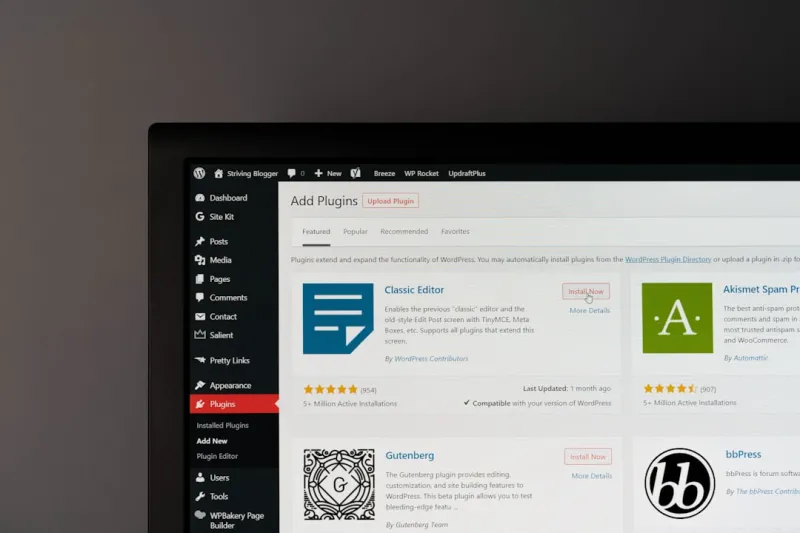
The Power of Sustainable Web Development: How WordPress Can Help You Make a Difference
As a web developer, you have the power to make a positive impact on the environment. Learn how to cr... Read More
The Future of WordPress: How Sustainable Web Development is Revolutionizing the Way We Create Content
The way we build and maintain websites has a significant impact on the environment. Learn how sustai... Read More
Top Posts

The Rise of Sustainable Food Systems: A New Era of Eco-Friendly Eating
Sustainable food systems are becoming increasingly important as the world grapples with climate change, environmental degradation, and social inequality. Learn ...Read More

Boosting Your Career: Leveraging Digital Skills for Success
Learn how to leverage digital skills to boost your career and stay ahead of the curve. Discover the importance of search engine marketing, building a strong onl...Read More
WordPress Goes Green: Amanda Williams’ Insider Guide to Sustainable Site Building
Amanda Williams shares practical WordPress strategies—from green hosting to sustainable design—that cut energy use, boost speed, and align your site with to...Read More
Embracing Sustainable Home Practices for a Greener Tomorrow
Learn how to make your home more sustainable with simple swaps, reducing waste, and incorporating eco-friendly materials into your decor and design. Start your ...Read More
0 Comments
Post Comment
You will need to Login or Register to comment on this post!