
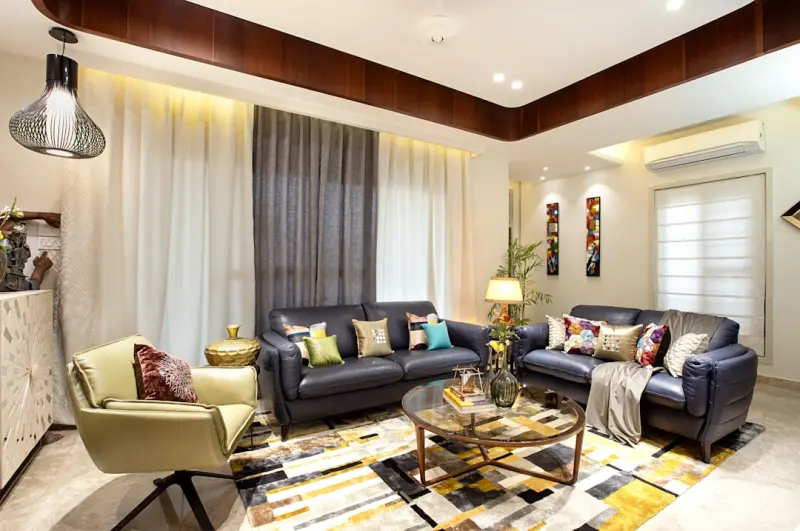
When I first walked into my childhood home after a decade away, I was struck not by the furniture or the paint, but by the stories that lingered in every corner. The faded teal couch in the living room whispered of late‑night movie marathons, while the cracked ceramic vase on the hallway table held the ghost of a birthday cake that never quite made it to the frosting. Those subtle narratives are the secret sauce of truly resonant home décor – it’s less about the latest trend and more about curating spaces that echo who we are, and who we aspire to become.
Why “Story‑Centric” Design Beats “Trend‑Centric” Design
Design trends come and go like seasonal fashions. One minute maximalist is all the rage, the next the world is buzzing about minimalist monochromes. If you anchor your living environment solely to these fleeting moments, you risk a home that feels like a costume rather than a sanctuary. A story‑centric approach, however, roots each piece in personal meaning, ensuring that your space evolves with you, not against you.
Think of your home as a living scrapbook. Each object you choose – a travel‑scented candle from Marrakech, a reclaimed wood coffee table salvaged from an old barn, the hand‑stitched quilt your grandmother taught you to make – becomes a page in that book. When you host friends, they’re not just admiring your décor; they’re stepping into the narrative you’ve woven, and that intimacy is the most compelling trend of all.
Step 1: Conduct a “Memory Audit”
Before you rush to the nearest boutique or scroll endlessly on Pinterest, sit down with a notebook (or your favorite note‑taking app) and answer three simple questions:
- What moments do I want to relive? Identify the experiences that make you smile – perhaps a summer barbecue on the back porch, a quiet reading nook by the window, or the sound of rain on the kitchen tiles.
- Which objects already hold those memories? A faded map from a road trip, a set of mismatched plates from family holidays, a vintage record player that’s been in the family for generations.
- What gaps exist? Maybe you lack a cozy corner for meditation, or a display shelf for the collection of artisan pottery you’ve accumulated.
Documenting these answers creates a roadmap that aligns future purchases with genuine sentiment, not just Instagram aesthetics.
Step 2: Blend the Old with the New – The Art of “Curated Contrast”
One of my favorite design experiments is juxtaposing heirloom pieces with contemporary finds. This technique, which I call curated contrast, honors tradition while injecting fresh energy.
Picture a sleek, matte‑black metal dining table paired with a set of hand‑painted ceramic bowls you bought at a local craft fair. The table’s modern lines provide a clean stage, while the bowls add a splash of personality and conversation starter. The contrast makes each piece stand out, yet together they form a harmonious tableau.
When choosing contrasting items, keep these guidelines in mind:
- Scale matters. Pair a substantial, solid‑wood sideboard with delicate, glass‑ware accessories to avoid visual clutter.
- Color cohesion. Even if the textures differ, a shared color palette (think muted earth tones or deep indigo accents) will tie the look together.
- Function first. Ensure that the modern piece serves a practical purpose, so the blend feels purposeful, not forced.
Step 3: Let Technology Enhance, Not Dominate
Smart home tech often gets a bad rap for being cold and impersonal. Yet, when used thoughtfully, it can amplify the storytelling aspect of your décor. For instance, Flavor Futures: How AI is Redefining the Kitchen Experience explores how algorithms can suggest seasonal recipes that align with the colors and textures in your kitchen. Imagine a subtle ambient light that shifts to a warm amber during dinner parties, echoing the golden hue of your copper cookware, or a voice‑activated speaker that softly plays a playlist curated from the vinyl records displayed on your living‑room shelf.
These integrations should feel like hidden chapters in your home’s story, not loud intrusions. A smart thermostat that learns your preferred night‑time temperature becomes a silent guardian of comfort, while a discreet motion‑sensor lamp lights up the hallway when you return from a late‑night stroll, preserving the ambience you cultivated.
Step 4: Prioritize Sustainable Storytelling
In today’s world, sustainability isn’t just a buzzword; it’s an extension of your personal narrative. Choosing pieces with a low environmental impact adds another layer to your story – one of stewardship and foresight.
Consider sourcing reclaimed wood furniture, upcycled textiles, or vintage décor that has already proven its durability. When you acquire a second‑hand chandelier, you’re not only saving resources but also granting that piece a new chapter in its life.
To deepen this sustainable thread, I love incorporating Community‑Sourced Meal Kits into my weekly routines. While primarily a culinary concept, the principle translates beautifully to décor: collaborate with local artisans, trade materials, or host swap parties where friends exchange items they no longer need. It creates a circular flow that mirrors the circular supply chain ideas highlighted in tech circles, but applied to the intimate sphere of home.
Step 5: The Power of “Layered Light”
Lighting is often the unsung hero of interior design. By layering sources – ambient, task, and accent – you can set moods that evolve throughout the day, much like chapters in a novel.
- Ambient lighting provides overall illumination. Think recessed LEDs or a soft glow from a frosted ceiling fixture.
- Task lighting** is functional – a reading lamp beside your favorite armchair or under‑cabinet lights in the kitchen.
- Accent lighting highlights art, shelves, or architectural features, drawing the eye to the story you want to tell.
Experiment with dimmers and color temperature controls. A cooler light in the morning can energize, while a warmer hue in the evening promotes relaxation, subtly guiding the emotional rhythm of your home.
Step 6: Curate a “Sensory Gallery”
While visual aesthetics dominate décor conversations, the other senses are equally potent storytellers. Here’s how to engage them:
- Touch. Incorporate varied textures – a plush velvet throw, a smooth marble countertop, a rough‑hewn wooden stool. The tactile diversity invites guests to linger.
- Smell. Use natural diffusers, scented candles, or even fresh herbs placed near windows. A hint of lavender in the bedroom or citrus in the kitchen can trigger memories and emotions.
- Sound. A subtle water feature, a vinyl record spinning on a vintage turntable, or a curated playlist can fill the space with auditory cues that reinforce your narrative.
When these sensory layers align with your visual story, the space feels immersive, like stepping into a well‑written novel where each sense provides a paragraph.
Step 7: Embrace “Flexible Spaces” for Life’s Chapters
Our lives aren’t static, and neither should our homes be. Designing flexible spaces allows you to adapt without overhauling the entire décor. Consider modular furniture that can be rearranged for a home office day or a family game night. Sliding panels can transform an open‑plan area into a private nook when needed. By planning for fluidity, you ensure that each life transition – a new job, a growing family, a move to a different city – can be accommodated gracefully.
Step 8: Create a “Personal Gallery Wall”
Gallery walls are a timeless way to showcase what matters most. Mix framed photographs, vintage postcards, handwritten letters, and even small 3D objects like travel‑size souvenirs. The key is balance: keep a cohesive color palette for frames, but let the content vary. This collage becomes a living timeline, sparking conversation and reminding you of the journeys that shaped you.
Step 9: The Ritual of Seasonal Refreshes
Instead of a full‑blown redecorating spree each season, adopt a ritual of subtle refreshes. Swap out a few accent pieces, change pillow covers, or rotate a few artworks. This practice keeps the environment feeling fresh while honoring the continuity of your story. It also reduces waste – you’re reusing what you already own, merely repositioning it.
Step 10: Document and Share Your Evolution
Finally, treat your home décor journey as an evolving project. Capture before‑and‑after photos, write short reflections about why you chose a particular piece, or even start a private blog (or a shared digital album) with friends. Not only does this reinforce the intentionality behind each choice, but it also creates a digital heirloom you can pass down to future generations.
In my own living room, I keep a small notebook titled “The Living Book” where I jot down the story behind each new acquisition. When I glance at it, I’m reminded that my space isn’t just a collection of objects – it’s a living narrative that continues to grow.
Putting It All Together: A Sample “Story‑Centric” Makeover
Let’s walk through a practical example to illustrate the process. Imagine you’re renovating a modest, sun‑lit bedroom that currently feels a bit generic.
- Memory Audit: You recall loving sunrise meditation sessions on a cozy rug and missing the tactile comfort of your grandfather’s quilt.
- Curated Contrast: Purchase a low‑profile platform bed in reclaimed pine (modern silhouette) and layer it with that heirloom quilt (vintage texture).
- Tech Enhancement: Install a smart LED strip behind the headboard that gently fades from soft pink to warm amber, mirroring sunrise hues.
- Sustainable Choice: Choose a sustainably sourced linen duvet cover, and swap out plastic nightstands for a repurposed wooden crate.
- Layered Light: Add a bedside pendant lamp (task) and a small Himalayan salt lamp (accent) that emits a calming glow.
- Sensory Gallery: Place a small indoor plant on the windowsill for a touch of nature, and use a lavender‑scented diffuser for aroma.
- Flexible Space: Include a fold‑away desk that can become a reading nook when not in use.
- Personal Gallery: Hang a collage of travel postcards, a framed family portrait, and a small black‑and‑white photograph of your favorite city skyline.
- Seasonal Refresh: Change the pillow covers to deeper hues in winter, and swap in lighter, breezier fabrics for summer.
- Documentation: Take a photo after each step and write a brief note about the emotional impact of each change.
The result? A bedroom that feels uniquely yours, reflecting past memories, present comforts, and future possibilities – all without chasing the latest Instagram fad.
Final Thoughts: Your Home as a Narrative Canvas
Designing your home is an act of storytelling. By centering each choice around memory, meaning, and mindful integration of technology and sustainability, you create a space that feels timeless yet alive. Remember, the most compelling décor isn’t the one that looks perfect in a showroom; it’s the one that whispers your story to anyone who steps inside.
So the next time you consider a new piece, ask yourself: What chapter of my life does this belong to? If the answer feels authentic, you’ve likely found a winner. And as your story unfolds, let your home be the ever‑evolving backdrop – a canvas that grows richer with every memory you choose to honor.

Miranda Murphy: Experienced freelance writer with a decade of storytelling expertise. Let's create something amazing together!
Related Posts
Designing Home Spaces That Feel Like a Daily Reset
A deep dive into intentional home décor, blending color psychology, biophilic design, sustainable t... Read More
The Evolution of Sustainable Home Decor: A Greener Tomorrow
Learn how to create a sustainable and eco-friendly home with the latest trends in sustainable home d... Read More
Designing Adaptive Home Sanctuaries with Biophilic Smart Lighting
Discover how to merge biophilic design principles with adaptive smart lighting to create responsive ... Read More
Top Posts
Smart Appliances in 2026: How Tech Is Transforming the Sustainable Kitchen
Explore the latest sustainable kitchen trends, from AI‑driven refrigerators to circular‑economy appliances, and learn how smart upgrades can slash energy us...Read More

Audio‑First Social Media: The Untapped Growth Engine for SaaS Leaders
Audio‑first social media is reshaping B2B engagement. This post outlines why voice platforms matter, how to integrate them with SaaS strategies, and a step‑...Read More

Why Subscription‑Based Blogging Is the Future of Creator Income
Subscription‑based blogging transforms a hobby into a steady business by offering tiered memberships, exclusive content, and a thriving community, ensuring cr...Read More

How Purpose-Driven Social Media Marketing Fuels Real Connection
In today’s noisy feed, purpose isn’t a buzzword—it’s the bridge to genuine engagement. I share my roadmap for building a social media presence that reso...Read More
0 Comments
Post Comment
You will need to Login or Register to comment on this post!