
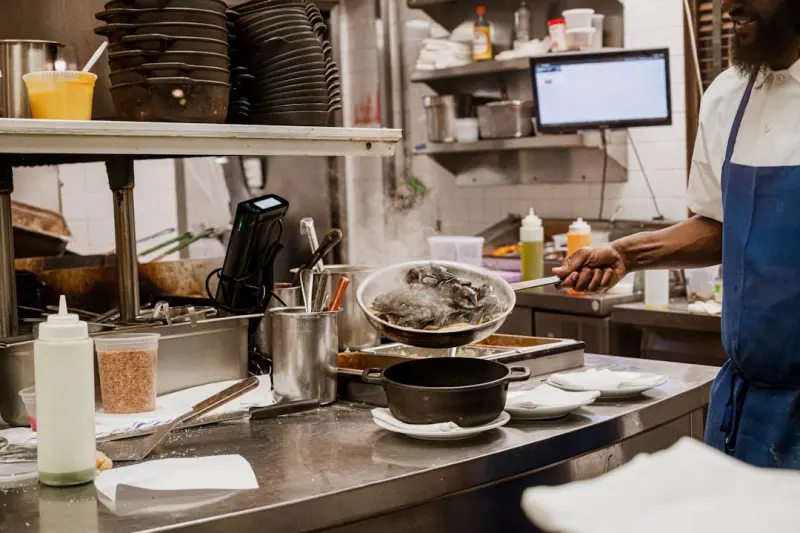
Why the Kitchen Needs a Data Scientist
When I first swapped my chef’s jacket for a laptop, the most surprising revelation was that the kitchen and the server room share more DNA than you’d think. Both are ecosystems where timing, temperature, and a dash of intuition dictate success. The difference? In a data‑driven kitchen, intuition gets a quantified sidekick. That sidekick? Artificial intelligence.
The Rise of Algorithmic Palates
Imagine a world where your next dinner party menu is not just inspired by a cookbook, but by a neural network that has analyzed millions of flavor combinations, seasonal harvest patterns, and even your guests’ social media food posts. This isn’t sci‑fi; it’s the emerging reality of virtual replicas of taste. Chefs are training models to predict how a dash of smoked paprika will interact with the acidity of a heirloom tomato, or how a fermentation curve changes when ambient humidity shifts by just a few percent.
From Guesswork to Precision Fermentation
Fermentation has always been part art, part science. Traditionally, a master fermenter would rely on sight, smell, and a gut feeling honed over decades. Today, sensors feed real‑time pH, temperature, and CO₂ data into AI engines that suggest optimal timing for each batch. The result? Less waste, more consistency, and flavors that surprise even the most seasoned palate. Think of it as a “modular toolchain” for taste, where each sensor, algorithm, and actuation point can be swapped in or out without rewriting the entire recipe code.
How AI Finds the Unexpected Pairings
The secret sauce behind AI‑driven flavor pairing lies in pattern recognition. By ingesting massive datasets—from culinary textbooks to crowdsourced recipe reviews—the model learns associations that human chefs might overlook. For instance, it might discover that the umami depth of miso complements the bright citrus of kaffir lime, a pairing that isn’t common in Western cuisine but shines in a modern fusion dish.
These insights are not static. As new ingredients hit the market—think seaweed‑infused spirits or lab‑grown meat—algorithms recalibrate, offering fresh, data‑backed suggestions that keep menus ahead of the curve.
Practical Applications for Restaurants
- Menu Optimization: AI can simulate how a new dish will perform across different demographics, adjusting spice levels or plating styles before a single plate leaves the kitchen.
- Inventory Forecasting: By linking sales data with seasonal supply trends, AI predicts which ingredients will be scarce, allowing chefs to pre‑emptively substitute without compromising flavor.
- Personalized Dining Experiences: Guest profiles—dietary restrictions, flavor preferences, even mood inferred from facial recognition—feed into a recommendation engine that suggests bespoke dishes on the fly.
Case Study: A Boutique Bistro’s AI Leap
One downtown bistro recently adopted an AI platform that integrates with its POS system. The AI analyzed the past year’s sales, cross‑referencing each dish with weather data, local events, and social sentiment. It discovered that a spiced carrot‑ginger soup surged in popularity on rainy evenings when paired with a certain herb‑infused cocktail.
Armed with this insight, the bistro introduced a “Rainy Day Duo” promotion, pairing the soup with the cocktail at a discounted price. Within a month, the dish’s average profit margin rose by 18%, and the bistro’s social media buzz spiked, drawing in a new crowd of food‑tech enthusiasts.
Bridging the Gap: Chefs as Data Curators
For many chefs, the idea of feeding a machine with their “secret recipes” feels like a betrayal. The key is to treat AI as a collaborator, not a replacement. By feeding the model your own experimental data—notes on texture, aroma intensity, and visual appeal—you retain creative control while gaining analytical muscle.
Think of it as building a personal culinary knowledge base. The more you contribute, the sharper the AI becomes at suggesting variations that align with your style. It’s a virtuous cycle: you test AI suggestions, record outcomes, and the model learns from each iteration.
Technology Stack Without the Jargon
Behind the scenes, the architecture resembles a modular toolchain—a series of plug‑and‑play components:
- Data Ingestion Layer: Sensors, POS feeds, and external APIs (weather, social trends).
- Processing Engine: Cloud‑based machine learning models that clean, aggregate, and analyze the data.
- Decision Interface: Dashboards that present actionable insights to chefs and managers in real time.
- Actuation Module: IoT devices that adjust ovens, fermentation chambers, or even lighting to enhance the sensory environment.
This setup means you don’t need a full‑time data science team to start. Many SaaS providers now offer “no‑code” AI modules tailored for food businesses, letting you spin up a pilot in weeks rather than months.
Ethical Considerations: Flavor Bias and Diversity
AI models inherit the biases present in their training data. If the dataset overrepresents Western cuisines, the algorithm may undervalue flavors from other culinary traditions. It’s crucial to curate diverse datasets, incorporating recipes from African, South American, and Indigenous sources. This not only mitigates bias but also unlocks a treasure trove of untapped flavor combos.
Future Trends: The Sensory Internet
Looking ahead, we’ll likely see a “Sensory Internet” where taste and aroma data become as searchable as text. Imagine a platform where you can query “sweet‑savory balance for a low‑sodium entrée” and receive a ranked list of ingredient combos, complete with predicted flavor profiles and nutritional breakdowns.
Coupled with augmented reality (AR) menus, diners could visualize the aroma profile of a dish before ordering, enhancing the decision‑making experience and reducing plate waste.
Getting Started: A 5‑Step Playbook
If you’re intrigued but unsure where to begin, follow this pragmatic roadmap:
- Audit Your Data Sources: Identify what you already capture—sales, inventory, sensor logs—and where gaps exist.
- Choose a Pilot Use‑Case: Start small—perhaps AI‑suggested weekly specials or dynamic pricing based on demand forecasts.
- Partner with a SaaS Provider: Look for platforms that offer modular, no‑code AI tools tailored for food & drink.
- Iterate with Chef Feedback: Run A/B tests, collect tasting notes, and feed the results back into the model.
- Scale and Diversify: Once confidence builds, expand AI’s role to supply chain optimization, personalized dining, and even new product development.
Conclusion: The Kitchen as a Living Lab
The convergence of culinary art and artificial intelligence isn’t about stripping away the romance of cooking; it’s about amplifying the chef’s intuition with data‑driven confidence. As we turn our kitchens into living labs—where each ingredient’s story is logged, analyzed, and reimagined—we unlock flavors that were previously hidden in the margins of tradition.
So, the next time you whisk a sauce, consider what a machine learning model might whisper in your ear: “Add a pinch of smoked sea salt; it will elevate the umami and balance the acidity.” Embrace that whisper, and you’ll find yourself at the forefront of a new culinary renaissance—one where code and cuisine dance together in perfect harmony.

Sanji Patel has dedicated 25 years to the SEO industry. As an expert SEO consultant for news publishers, he emphasizes providing both technical and editorial SEO services to news publishers worldwide. He frequently speaks at conferences and events globally and offers annual guest lectures at local universities.
Related Posts
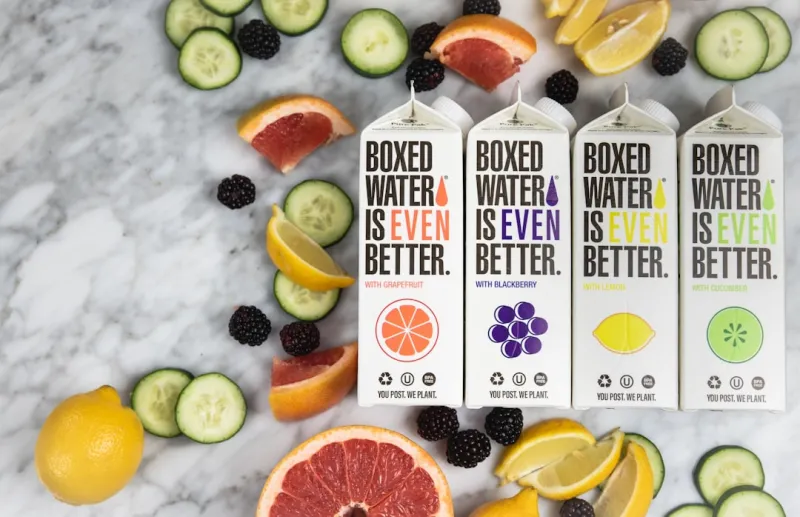
Sustainable Flavors: How Modern Foodies Are Redefining the Plate
Explore the rise of sustainable eating—from plant‑powered plates to zero‑waste kitchens—and ... Read More
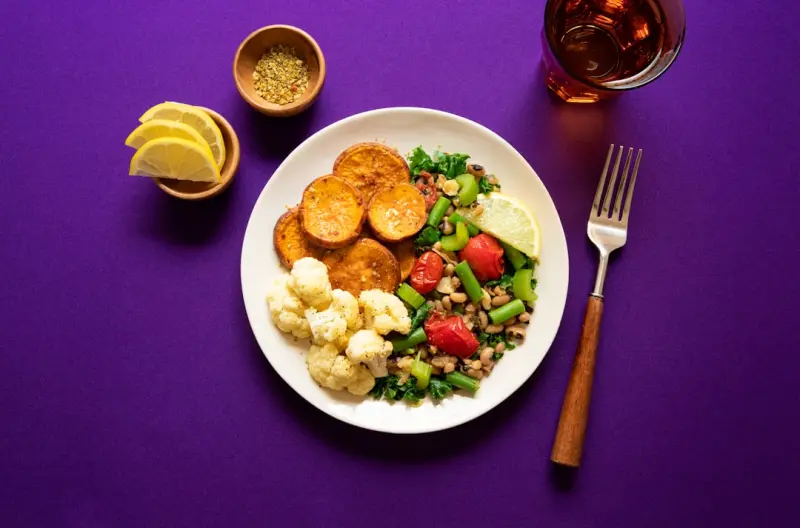
Flavor Exploration: Turning Everyday Meals into a Lab of Taste
Melanie Wilson shares her personal journey of turning her kitchen into a flavor lab, offering practi... Read More
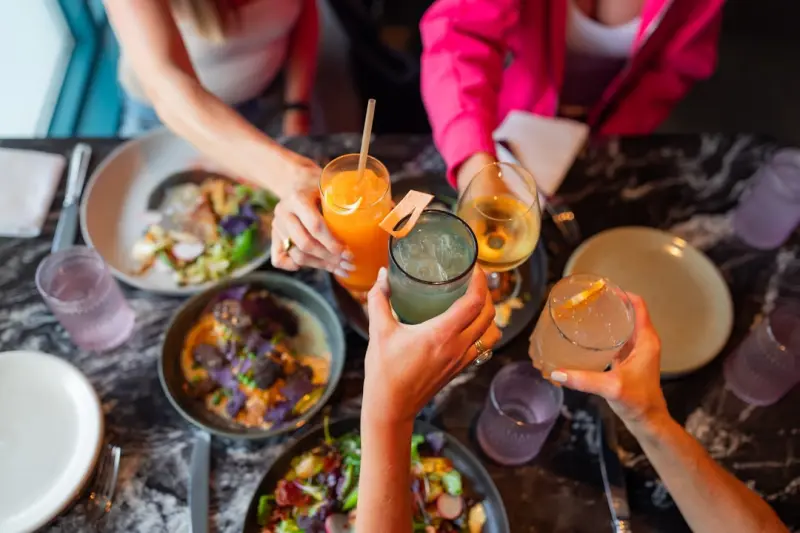
Community‑Sourced Meal Kits: The Next Food Revolution
Community‑sourced meal kits blend collaborative recipe creation with scalable delivery, turning ho... Read More
Top Posts

Vertical Gardens: Turning Blank Walls into Living Masterpieces
A living wall transforms any space into a vibrant, health‑boosting focal point. Learn practical design tips, smart irrigation hacks, and budget‑friendly DIY...Read More

Alert Fatigue: The Hidden Health Cost of Constant Pings
A deep dive into how relentless digital alerts trigger stress hormones, harm heart rate variability, and disrupt sleep, with actionable Zero Trust‑style strat...Read More

When “Free” Becomes a Trap: Spotting SaaS Subscription Scams Before They Cost You
A deep dive into the rise of SaaS subscription scams, detailing how they exploit recurring billing, automation, and remote work, and offering actionable steps t...Read More

Growing a Greener Tomorrow: How Gardening Can Transform Your Life
Gardening is more than just a hobby – it's a way of life. Learn how gardening can transform your life and promote a sustainable future....Read More
0 Comments
Post Comment
You will need to Login or Register to comment on this post!