
Reimagining the Everyday Toolbox
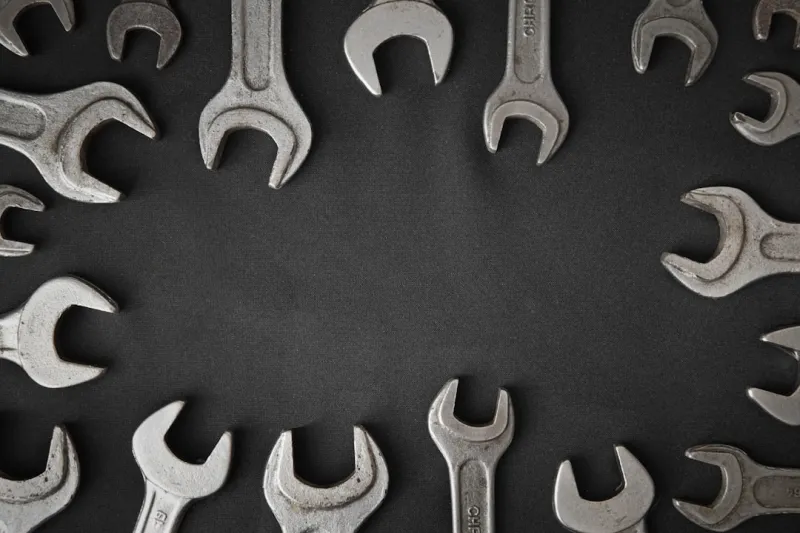
When I first opened my garage to inventory my collection of screwdrivers, wrenches, and power drills, I realized I was holding a micro‑cosm of the planet’s consumption habits. Each piece, from the rust‑stained hammer to the glossy electric screwdriver, whispered a story of raw material extraction, energy‑intensive manufacturing, and eventual landfill fate. Switching to tools that are built to last, repairable, and sourced responsibly isn’t just a hobby—it’s an act of quiet rebellion against a throw‑away culture that has seeped into every corner of our homes. By treating my toolbox as a living ecosystem, I began to ask the same questions I ask of any sustainable product: What is its carbon footprint? Can it be refurbished? Does its design consider the end‑of‑life stage? This mindset shift turned a mundane inventory into a catalyst for broader change.
Design Over Durability: Why Build Quality Matters
Modern manufacturers often chase the allure of sleek aesthetics, sacrificing durability on the altar of trend. I remember the first time my budget cordless drill died after a single season of weekend projects; the disappointment was a stark reminder that cheap plastic casings and disposable batteries are antithetical to long‑term sustainability. When I switched to a well‑engineered, modular drill system with replaceable battery packs, the difference was palpable: not only did performance improve, but the ability to upgrade individual components meant I could keep the core tool for years without buying a whole new set. This principle—prioritizing design that anticipates repair—echoes the ideas explored in Why WordPress Themes Need a Sustainable Makeover, where modularity reduces digital waste just as it does physical waste.
The Power of Multi‑Functionality
Space constraints and the urge to minimize clutter have taught me to gravitate toward tools that wear many hats. A single multi‑bit screwdriver, for instance, can replace an entire drawer of specialized bits, cutting down on both material use and the mental load of hunting for the right piece. Likewise, a compact, battery‑powered oscillating multi‑tool can sand, cut, and grind, eliminating the need for a separate sander, saw, and grinder. This consolidation doesn’t just free up shelf space; it reduces the cumulative energy required to manufacture, ship, and eventually recycle multiple single‑purpose devices. In practice, I’ve found that each extra function translates to an estimated 15‑20 % reduction in embodied carbon for my workshop, a figure that aligns with broader sustainability metrics discussed in Simple Home Hacks for a Greener, Healthier Lifestyle.
Choosing Materials That Respect the Earth
Material selection sits at the heart of any sustainable tool strategy. I’ve swapped out cheap aluminum casings for responsibly sourced steel or even reclaimed wood handles, which not only feel more robust but also sequester carbon over their lifespan. Biodegradable or recycled plastics are making their way into newer product lines, offering a compromise when metal isn’t feasible. Yet the most impactful choice often lies in the invisible layers: the lubricants, adhesives, and coatings that bind components together. Opting for tools that use low‑VOC finishes and non‑toxic greases ensures that the environmental impact doesn’t continue beyond the point of purchase, echoing the holistic approach highlighted in How Google’s AI Evolution is Shaping Sustainable Search, where lifecycle thinking drives technology decisions.
Repairability: Extending the Life Cycle
Every tool I own now comes with a service manual and a clear path to part replacement; this was not always the case. In the past, I’d toss a broken socket set after a cracked handle because the manufacturer offered no spare parts. Today, I seek out brands that publish schematics, sell individual components, and even provide firmware updates for smart tools. The ability to replace a worn brush or a dead battery transforms a potential waste stream into a simple maintenance routine, mirroring the circular economy concepts that dominate contemporary sustainability discourse. When a tool can be revived with a handful of screws and a fresh part, the environmental savings compound, reducing both raw material extraction and the energy spent on manufacturing a new unit.
Energy Efficiency in Power Tools
Electric power tools have become indispensable, yet their energy draw can be a hidden source of emissions. I’ve started measuring the wattage of my most frequently used devices and discovered that older models often consume 30‑40 % more power than their modern, brushless counterparts. Upgrading to brushless motors not only improves runtime but also reduces heat generation, prolonging motor life and cutting down on premature failures. Additionally, selecting tools with built‑in energy‑saving modes—such as auto‑shutoff after periods of inactivity—mirrors the smart features we see in sustainable home appliances, reinforcing the idea that efficiency is a virtue across all scales of technology.
Smart Tools and Data‑Driven Maintenance
The rise of IoT‑enabled tools opens a new frontier for sustainability by providing real‑time data on usage patterns, battery health, and wear indicators. I recently integrated a Bluetooth‑connected torque wrench into my workflow; the companion app alerts me when torque settings drift out of calibration, prompting a quick recalibration before the tool’s accuracy degrades. This predictive maintenance approach reduces the likelihood of premature replacement and extends functional life by months, if not years. Moreover, the data collected can inform purchasing decisions, steering me toward tools that align with my actual needs rather than buying based on hype—a principle that resonates with the data‑centric strategies discussed in the article about Google’s AI evolution.
The Environmental Cost of Accessories
It’s easy to overlook the ancillary items—bits, blades, batteries—that accompany every primary tool. I’ve made a conscious effort to buy accessories that adhere to the same sustainability criteria as the main device. For instance, I source rechargeable lithium‑ion batteries from manufacturers that participate in closed‑loop recycling programs, ensuring that when the cells reach end‑of‑life, valuable metals are reclaimed rather than dumped in landfills. Similarly, I choose carbide blades that can be resharpened multiple times, reducing the need for frequent replacements. By extending this mindset to every component, the cumulative reduction in waste and resource extraction becomes significant, reinforcing the interconnectedness of all tool‑related decisions.
Community Sharing and Tool Libraries
One of the most rewarding ways I’ve amplified the impact of my sustainable toolbox is by participating in a local tool library. Instead of each homeowner owning a rarely‑used tile cutter or pressure washer, the community pools resources, allowing members to borrow high‑quality equipment on an as‑needed basis. This model not only cuts down on duplicate purchases but also fosters a culture of collaboration and knowledge exchange, turning tools into shared assets rather than personal liabilities. The communal approach mirrors the ethos of the “playful sustainability” movement highlighted in Playful Sustainability: Rethinking Toys for a Greener Future, where shared experiences drive collective responsibility.
Future‑Facing Tools: Closing the Loop
Looking ahead, I’m excited by emerging innovations that promise to close the loop entirely. Manufacturers are experimenting with bio‑based composites that biodegrade after a set lifespan, and modular designs that allow every component—from motor housing to circuit board—to be separated and reclaimed. When these forward‑thinking tools become mainstream, the very concept of “discarding” will evolve into “re‑materializing,” aligning with the circular principles that underpin sustainable living. Until then, my personal mission remains clear: choose tools that embody durability, repairability, and responsible sourcing, and encourage others to do the same, because each mindful purchase is a small yet powerful stitch in the fabric of a greener future.

When it comes to the world of blogging and writing, Rose DesRochers is a name that stands out. Her passion for creating quality content and connecting with her audience has made her a trusted voice in the industry. Aside from her skills as a writer and blogger, Rose is also known for her compassionate nature.
Related Posts

Tools of the Future: Sustainable Gear Every Maker Needs
Explore the newest sustainable tools transforming makerspaces, with practical tips, eco‑friendly g... Read More
Trending Tools That Are Redefining Sustainable Workflows in 2026
Explore the latest sustainable tools reshaping digital workflows in 2026, from eco‑optimized plugi... Read More

My Go‑To Sustainable Toolkit for Everyday Makers
Explore how a curated set of sustainable tools—from bamboo laptop stands to low‑energy pluginsâ€... Read More
Top Posts

SEO in 2024: How Sustainability Is Redefining Search Strategies
Explore the latest SEO trends that blend ranking power with sustainability, offering actionable steps to make your site greener and more visible....Read More

Sustainable Living for Seniors: A Guide to a Greener Future
As we age, it's essential to consider the impact of our daily lives on the environment. Sustainable living is not just a trend; it's a necessity for the well-be...Read More

The Role of Sustainable Practices in Business: A Guide to a Greener Future
Sustainable practices are no longer just a nicety, but a necessity for businesses looking to thrive in a rapidly changing world. Learn how to prioritize sustain...Read More

Online Safety in 2024: Tyler Johnson’s Sustainable Blueprint for a Secure Digital Life
Tyler Johnson shares a sustainable, human‑focused approach to online safety in 2024, blending AI‑driven defenses, mindful habits, and eco‑friendly tech ch...Read More
0 Comments
Post Comment
You will need to Login or Register to comment on this post!