

When I first moved into a home office, the line between “work time” and “rest time” blurred faster than a coffee‑stained spreadsheet. I found myself scrolling through emails at midnight, chasing the glow of my laptop screen, and wondering why my mornings felt like a rehearsal for a marathon I never signed up for. It wasn’t until a friend gifted me a tiny amber night‑light that I started to see sleep not as a passive default, but as a strategic lever I could dial, tweak, and ultimately master.
Why Sleep Matters in a Hyperconnected World
We all know the cliché: “Sleep is essential.” Yet the science behind it is a labyrinth of hormones, neural pathways, and even the microbes that call our gut home. Chronic sleep deprivation nudges cortisol levels upward, impairs glucose metabolism, and silently erodes the brain’s ability to consolidate memory. In the long run, the cost isn’t just feeling groggy—it’s a measurable increase in cardiovascular risk, reduced immune function, and a heightened susceptibility to mood disorders.
What’s more, the modern work environment has turned sleep into a competitive sport. The mental resilience piece highlighted how digital boundaries can protect our psychological health; the same principle applies to the physical boundaries that separate our sleeping sanctuary from the perpetual buzz of notifications.
The Science of Light and Circadian Rhythm
At the heart of sleep regulation lies the circadian rhythm—a 24‑hour internal clock that syncs with the external world through light cues. When photons hit the retinal ganglion cells, they signal the suprachiasmatic nucleus (SCN) in the brain to either suppress or release melatonin, the hormone that whispers “time to wind down.” Unfortunately, the blue light emitted by smartphones, tablets, and LED fixtures can hijack this process, tricking the SCN into thinking it’s still daytime.
Research shows that exposure to blue wavelengths after 7 p.m. can delay melatonin onset by up to two hours, shifting the entire sleep window. Conversely, a gradual dimming of warm amber light in the evening can cue the body to start its natural shutdown sequence, resulting in faster sleep onset and deeper REM cycles.
Smart Bedroom Tech: From Mattresses to Ambient Lighting
Enter the era of the “smart bedroom.” While a high‑tech mattress that adjusts firmness based on body weight is impressive, the real game‑changer is a holistic ecosystem that harmonizes temperature, sound, and light.
- Dynamic Lighting Panels: Devices such as Philips Hue or Nanoleaf can be programmed to emit a warm, low‑intensity glow in the evening and gradually shift to cooler hues in the morning, mimicking sunrise.
- Temperature Regulation: A bedroom that stays between 60‑67 °F (15‑19 °C) promotes the body’s natural drop in core temperature—a prerequisite for deep sleep. Smart thermostats can automatically lower the temperature as you wind down, and even integrate with a wearable to fine‑tune the setting.
- Soundscapes: White noise machines or AI‑generated ambient sounds can mask disruptive noises. Some platforms now analyze your sleep stages in real time and adjust the volume or frequency to keep you in the optimal phase.
- Air Quality Monitors: Indoor plants aren’t just décor. A micro‑garden of snake plants, peace lilies, or even a modest herb garden can reduce airborne VOCs and increase oxygen levels, subtly enhancing sleep quality.
The key is integration. Many of these devices speak the same language—Bluetooth Low Energy (BLE) or Wi‑Fi—and can be orchestrated via platforms like Apple HomeKit or Google Home. By creating a “sleep scene,” you press a single button and the room transforms into a cocoon of optimal conditions.
Integrating Wearables Without Overload
Wearable tech has surged past simple step counters. Today’s devices monitor heart rate variability (HRV), skin temperature, and even blood oxygen saturation. While these metrics are invaluable, they can become a source of anxiety if you obsess over every tiny fluctuation.
That’s why I recommend a minimalist approach: pick one primary metric that aligns with your goal—HRV for stress recovery, or sleep stages for bedtime consistency. Use the data to identify patterns, not to micromanage each night. The biofeedback wearables article explored how these gadgets can rewrite health narratives when used judiciously, and the same principle applies to sleep.
Set your wearable to a “sleep mode” that disables notifications, reduces screen brightness, and streams gentle sleep‑inducing sounds. Most modern wearables also support “Do Not Disturb” automation that syncs with your smart bedroom ecosystem, ensuring that the only alerts you receive are those you truly need.
A Simple 3‑Step Routine to Upgrade Your Night
All the tech in the world won’t replace a solid routine. Here’s a three‑step protocol I’ve refined over the past year:
- Wind‑Down Buffer (30 minutes): Turn off high‑intensity screens at least half an hour before bed. Replace them with a paper book, a journal, or a meditation app that uses only audio. Dim the lights to 200 lux or lower.
- Environmental Reset (5 minutes): Activate your smart lighting to a warm amber hue, lower the thermostat by two degrees, and start your chosen soundscape. If you have indoor plants, give them a quick mist to boost humidity.
- Physiological Cue (5 minutes): Perform a brief breathwork sequence—four counts in, four counts hold, four counts out, four counts hold. This 4‑4‑4‑4 box breathing pattern stimulates the parasympathetic nervous system, lowering heart rate and preparing the brain for sleep.
Follow this ritual consistently for at least two weeks, and you’ll notice a measurable reduction in sleep latency and an increase in restorative deep‑sleep percentages.
Looking Ahead: The Future of Sleep Health
Predictive sleep analytics are on the horizon. Imagine a platform that, using data from your wearable, ambient sensors, and even calendar events, can forecast nights when you’re likely to experience poor sleep and proactively adjust your environment—brightening the bedroom lights earlier, sending a calming reminder to finish work, or suggesting a short afternoon nap.
Artificial intelligence will also personalize soundscapes. Rather than generic rain or ocean waves, future algorithms could compose a unique auditory environment based on your genetic predisposition to certain frequencies, creating a “sleep soundtrack” that maximizes slow‑wave activity.
Lastly, the convergence of nutrigenomics and sleep tech could unlock diet‑based interventions. By analyzing how specific nutrients interact with your circadian genes, an app could recommend a bedtime snack—perhaps a kiwi or a handful of almonds—to naturally boost melatonin production.
While these innovations sound futuristic, the foundation is already in place: a willingness to treat sleep as a deliberate practice, an openness to technology that serves our biology rather than hijacks it, and the habit of setting boundaries—both digital and physical. By weaving together smart devices, evidence‑based routines, and a touch of personal insight, we can reclaim the night as a space of restoration, creativity, and quiet power.

Mei Chen is a dynamic professional who brings a unique blend of skills to Blogging Fusion. As a key contributor to the Blogging Fusion platform, she leverages her writing expertise to create engaging content that resonates with our audience.
Related Posts

Your Gut’s Secret Influence on Mood and Energy
Explore the powerful link between your gut microbiome and mental health, with actionable steps on fo... Read More

Nurturing a Greener Tomorrow: The Intersection of Sustainability and Health
The connection between our environment and health is undeniable. Learn how sustainable living, food ... Read More

From Data to Vitality: Building Your Own AI Health Dashboard
Learn how to create an AI-driven health dashboard that integrates wearables, contextual AI, and edge... Read More
Top Posts
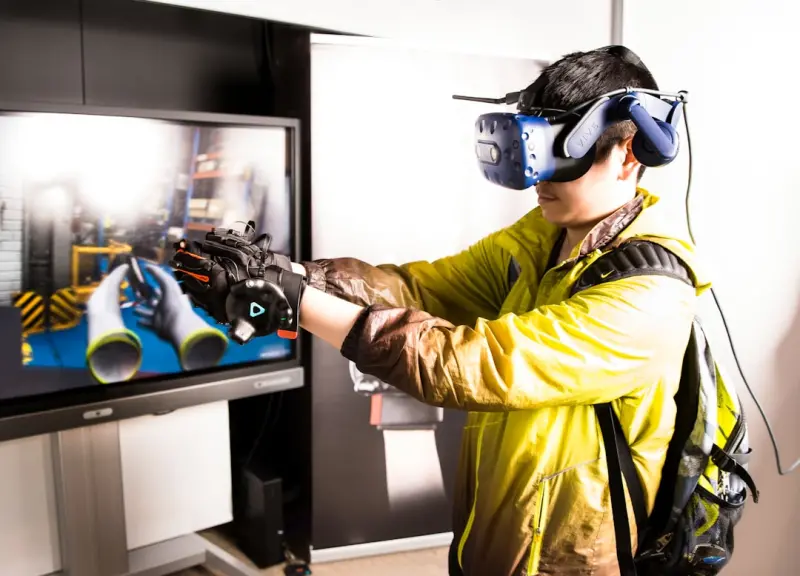
Beyond the Screen: How Immersive Spatial Learning Is Redefining Corporate Education
Discover why immersive spatial learning—using VR and AR—offers a new dimension for corporate education, delivering higher retention, safety, and performance...Read More
When Algorithms Become Lawyers: Navigating AI’s Legal Frontier
Artificial intelligence is transforming every facet of legal work, from research to contract drafting, but it also raises profound ethical and regulatory challe...Read More

The Art of Everyday Family Storytelling: Turning Routine Moments into Lifelong Lessons
Learn to weave everyday moments into vibrant family stories, strengthening bonds and nurturing imagination with practical, fun rituals....Read More

Rethinking Insurance: A Sustainable Path to Real Protection
Discover how modern insurance can align with sustainable lifestyles, rewarding eco‑friendly choices and fostering community resilience through purpose‑drive...Read More
0 Comments
Post Comment
You will need to Login or Register to comment on this post!