

When I first squeezed a herb pot onto my cramped studio balcony, I realized that gardening isn’t just about soil and sunshine—it’s a laboratory for personal resilience. The tiny green world I nurtured became a living experiment, a place where I could test ideas, observe subtle feedback, and reap tangible rewards without leaving my apartment. In this post I’ll share how to turn any modest indoor or outdoor niche into a micro‑garden lab, blending low‑tech observation with a pinch of data‑driven insight, and why that matters for anyone craving a slice of nature in the city.
Redefining the Space: From Ornament to Experiment
Most people view a balcony or windowsill as a decorative stage—pretty pots, a few trailing vines, perhaps a splash of colour. I challenge that notion by treating the space as a test bench. Every plant, container, and light source becomes a variable you can tweak, measure, and iterate upon. This mindset shifts the activity from a passive hobby to an active learning process, akin to a scientist setting up a controlled experiment.
Begin by mapping the physical parameters of your niche:
- Light exposure: Note the hours of direct sun, filtered light, and shade throughout the day.
- Airflow: Observe wind patterns, especially on high‑rise balconies where gusts can be strong.
- Temperature swings: Record daytime highs and nighttime lows; even a few degrees can affect germination.
- Available volume: Measure the depth and width of containers you can safely place.
With this baseline, you can start designing experiments—perhaps testing a dwarf basil variety against a standard one, or comparing a self‑watering pot to a traditional soil‑only setup.
Choosing the Right Cast: Plants That Teach
Not all greens are equal when it comes to feedback loops. Here are three categories of plants that excel at providing clear, observable data:
- Rapid‑cycle herbs like cilantro, basil, and mint. They sprout in 7‑10 days, allowing quick iteration.
- Indicator vegetables such as radishes or baby carrots, whose root color can reveal soil moisture levels.
- Air‑purifying foliage like spider plant or pothos, which respond visibly to changes in humidity.
By selecting species with distinct, measurable responses, you create a living dashboard that signals when something needs adjustment—be it watering frequency, nutrient balance, or lighting.
Embedding Low‑Tech Sensors for High‑Impact Insight
While the charm of a micro‑garden lies in its simplicity, a few inexpensive tools can dramatically sharpen your observations. A soil moisture probe (often just a wooden stick with a metal tip) provides a tactile sense of wetness, while a structured data approach to logging these readings turns anecdotal notes into actionable trends. Create a spreadsheet with columns for date, moisture level, temperature, and plant health notes. Over weeks, patterns emerge that guide your next tweak.
Another subtle addition is a soundscape recorder. Place a tiny microphone near your plants and capture the ambient buzz of insects or wind. Unexpectedly, the volume and pitch of these sounds can indicate pollinator activity or stress conditions, adding an auditory dimension to your garden’s health check.
Designing a Sensory Experience
Gardening isn’t just visual; it’s a full‑body interaction. By deliberately curating scent, texture, and sound, you amplify the therapeutic benefits while also gaining more data points:
- Scent layers: Plant lavender alongside rosemary. Their contrasting aromas can be used to gauge wind direction—if lavender’s scent dominates, you know the breeze is coming from that side.
- Texture variety: Mix smooth succulents with fuzzy lamb’s ear. Touching the foliage can become a mindfulness practice, while also helping you notice wilting or pest damage early.
- Sound cues: Install a small wind chime that resonates when breezes increase, alerting you to potential drying conditions.
These sensory cues act as a natural dashboard, reducing the need for constant digital monitoring while still delivering rich feedback.
Integrating Smart Yet Simple Tools
For those who enjoy a dash of technology without the complexity of full‑blown IoT ecosystems, consider these modest upgrades:
- Timer‑controlled LED grow lights: Set them to mimic sunrise and sunset cycles, then track plant vigor under varying photoperiods.
- Bluetooth hygrometer: Pair it with a free app to log humidity levels alongside your manual observations.
- QR‑coded plant tags: Stick a small QR code on each pot that links to a cloud note containing its history. Scanning the code gives you instant access to past data.
Even these modest gadgets keep the experiment grounded in tangible outcomes rather than abstract automation.
Applying Off‑Grid Navigation Principles to Water Management
Just as explorers rely on landmarks and intuition when satellite signals fade, micro‑gardeners can adopt off‑grid navigation principles for water. Instead of constant irrigation schedules, use a combination of rain barrels, reclaimed greywater, and moisture‑sensing stakes. By observing how long a rain barrel’s water lasts across different seasons, you refine your watering strategy, reducing waste and building resilience against drought.
This approach also teaches valuable lessons in resource budgeting—a skill that translates well beyond gardening, into any project that hinges on limited inputs.
Iterative Growth: The Scientific Method in Your Balcony
Every micro‑garden experiment follows a loop:
- Hypothesis: “If I increase light exposure by 2 hours, basil growth will accelerate.”
- Experiment: Adjust the grow‑light timer, keep all else constant.
- Observation: Measure stem length, leaf count, and aroma intensity over a week.
- Conclusion: Record the results; decide whether to adopt the change or revert.
Documenting each cycle not only improves your garden but also cultivates a habit of data‑driven decision making that can be applied to work projects, personal goals, and even community initiatives.
Community and Knowledge Sharing
One of the most rewarding aspects of a micro‑garden lab is its ability to spark conversation. Share your findings on neighborhood forums, host a virtual “garden walkthrough” via video call, or create a simple blog series documenting each experiment. When you expose your process, you invite feedback, new ideas, and collaborative troubleshooting—turning a solitary hobby into a shared learning ecosystem.
Consider partnering with local schools or community centers. Your data logs can become real‑world case studies for students learning about biology, environmental science, or data analytics. The ripple effect amplifies the impact of your tiny garden beyond the concrete walls that contain it.
Future‑Proofing Your Green Lab
As cities evolve, indoor and balcony spaces will become even more precious. Designing a micro‑garden that can adapt to shifting constraints—like stricter building codes or changing climate patterns—ensures longevity. Keep these forward‑looking practices in mind:
- Modular containers: Use stackable, lightweight pots that can be reconfigured as your space changes.
- Resilient plant varieties: Choose species known for tolerance to temperature fluctuations and limited pollinator presence.
- Scalable data collection: Start simple; as your garden grows, you can integrate more sophisticated sensors without overhauling your entire system.
By building flexibility into the core design, your micro‑garden remains a vibrant laboratory, regardless of external shifts.
Conclusion: Cultivating Curiosity, One Seed at a Time
Transforming a modest balcony into a micro‑garden lab is more than an aesthetic upgrade—it’s an invitation to practice curiosity, observation, and iterative improvement in a tangible, rewarding way. By treating each pot as an experiment, leveraging low‑tech sensors, and embracing sensory design, you create a living feedback loop that enriches both your environment and your mindset. So, roll up your sleeves, plant that first seed, and watch as data‑driven nurture turns a simple corner into a thriving hub of discovery.

Mei Chen is a dynamic professional who brings a unique blend of skills to Blogging Fusion. As a key contributor to the Blogging Fusion platform, she leverages her writing expertise to create engaging content that resonates with our audience.
Related Posts
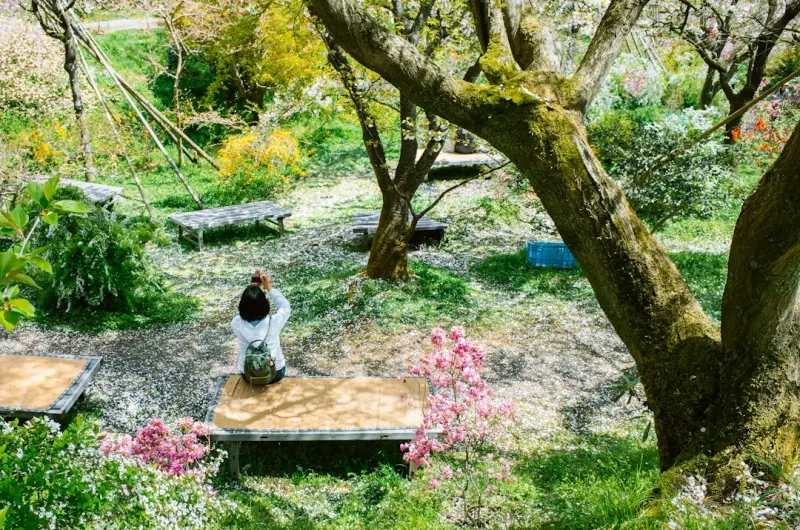
Cultivating a Sensory Garden: A Journey Beyond Aesthetics
Explore the philosophy, design steps, and plant choices needed to create a multisensory garden that ... Read More
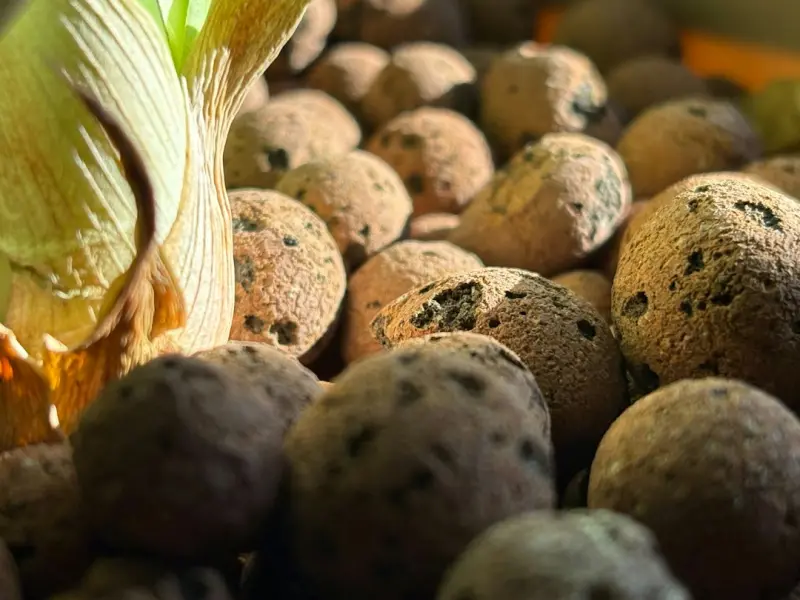
Urban Soil Alchemy: Transforming Small Spaces into Thriving Food Gardens
Learn how to diagnose, customize, and sustain high‑performing soil in limited urban spaces, using ... Read More
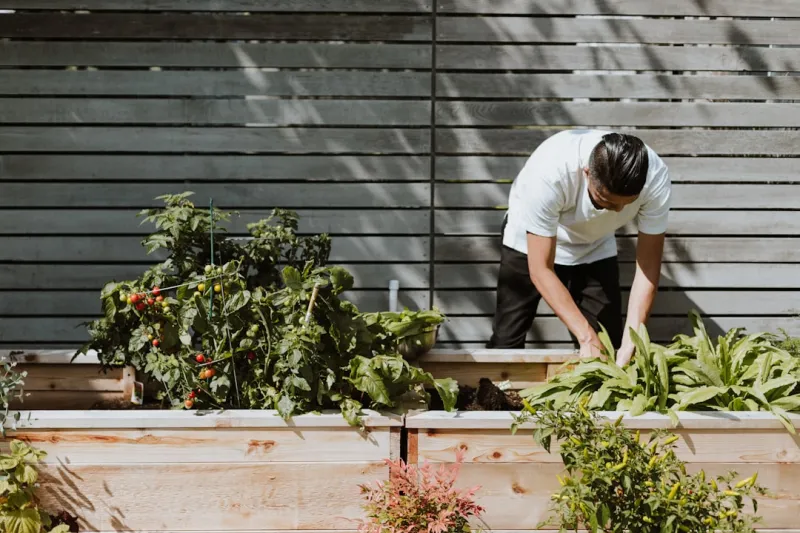
Growing a Greener Tomorrow: How Sustainable Gardening Can Transform Your Life
Sustainable gardening offers a powerful opportunity to transform our lives and create a more sustain... Read More
Top Posts

Why Your Next Smartphone Choice Matters More Than Ever
Explore why your next smartphone purchase is crucial for the planet, featuring sustainable design, eco‑friendly accessories, and mindful usage tips....Read More

Enzyme Power: How Nature’s Catalysts Are Revolutionizing Everyday Cleaning
Discover how enzyme cleaners work, practical DIY formulas, and metrics to track real eco‑cleaning impact, turning everyday chores into a science‑backed sust...Read More

Neuro‑Branding: Crafting Sensory Experiences That Stick
Explore neuro‑branding techniques that use color, sound, and touch to forge deeper emotional connections, turning every brand interaction into a memorable sen...Read More

Reimagining Community Trust Through Timebanks
Timebanks turn hours into community currency, fostering trust, skill exchange, and resilience. Learn how to launch a local timebank and transform your neighborh...Read More
0 Comments
Post Comment
You will need to Login or Register to comment on this post!