

Why Your Balcony Soil Deserves a Chemistry Lab Upgrade
When I first swapped my corporate desk for a windowsill herb garden, I expected a modest sprinkle of basil and a few lazy afternoons. What I got instead was a revelation: soil is the unsung hero of any thriving garden, especially in cramped city apartments where every inch counts. In this post I’m diving deep into the science behind soil health, showing you how to treat a balcony garden like a miniature laboratory without breaking the bank or the planet.
The Hidden Variables in a Pot
Most urban growers assume that any potting mix will do the job. In reality, three hidden variables dictate whether your seedlings flourish or flop:
- Texture: The balance of sand, silt, and clay determines drainage and aeration.
- Biological activity: Micro‑organisms that break down organic matter and release nutrients.
- pH level: A subtle acidity or alkalinity can make certain nutrients unavailable.
Ignoring these factors is like trying to run a SaaS platform on a server with no cooling – you’ll quickly hit performance limits.
Step‑One: Diagnose Your Soil Like a Pro
Before you add anything, test your existing mix. A simple kitchen‑scale test can give you a rough texture profile: fill a clear jar with soil, add water, shake, and let it settle. You’ll see layers of sand at the bottom, silt in the middle, and clay on top. If the clay layer dominates, you need more coarse material.
For pH, a cheap garden‑store test kit works fine. Aim for a neutral range (6.5–7.0) for most vegetables, but remember that herbs like rosemary thrive a bit more alkaline.
Step‑Two: Build a Custom Blend Using Everyday Materials
Here’s my go‑to recipe for a high‑performance potting mix that any city dweller can assemble:
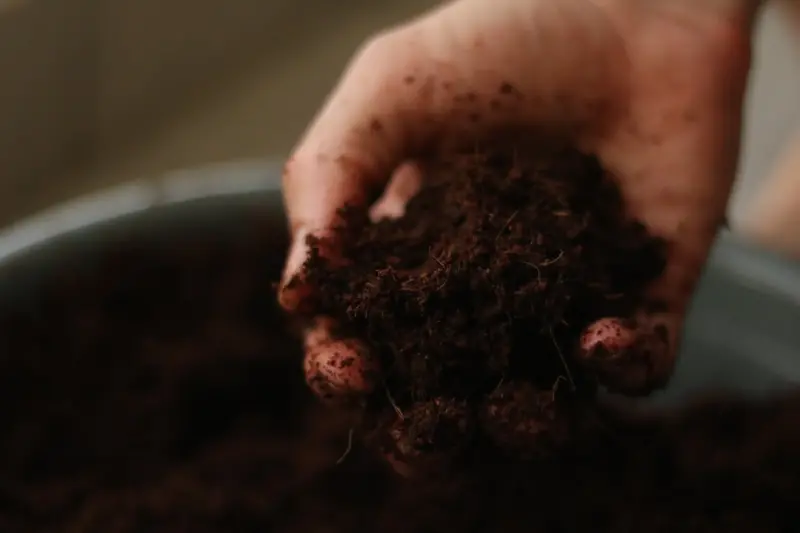
- Coconut coir (30%) – a renewable alternative to peat that holds water without becoming soggy.
- Perlite or crushed pumice (25%) – adds air pockets for root breathing.
- Composted kitchen scraps (20%) – a slow‑release source of organic nutrients.
- Fine sand (15%) – improves drainage, especially in humid climates.
- Worm castings (10%) – a powerhouse of beneficial microbes and micronutrients.
This blend mirrors the layered approach you’d find in a well‑architected SaaS stack: each component plays a distinct role while supporting the whole.
Step‑Three: Invite the Micro‑World In
Micro‑organisms are the invisible workforce that turn organic matter into plant‑available nutrients. To boost their population:
- Mix a handful of effective microorganisms (EM) solution into the soil before planting.
- Scatter a thin layer of compost tea on the surface every two weeks.
- Incorporate turning wilderness into a testing ground for resilient crops by occasionally rotating a small tray of native wildflowers. Their root exudates feed the soil web.
Think of this as cultivating a thriving developer community inside your codebase – the more diverse and active, the better the output.
Rainwater Capture: The Low‑Tech Power Boost Your Garden Needs
Water is the most obvious resource you’ll need to manage. While city apartments often rely on municipal supply, you can dramatically reduce your water footprint with a DIY rain‑catch system. A simple 5‑gallon bucket placed under a balcony railing, fitted with a spout, and connected to a drip line can provide enough moisture for a small herb garden during most rainy periods.
Pair the bucket with a energy‑efficient garden setups by installing a small solar‑powered pump that delivers water on a timer. It’s a modest investment that pays off in reduced utility bills and healthier plants.
Layered Planting: Mimicking Natural Ecosystems
Monoculture is the fast‑food of gardening – convenient but unsustainable. Instead, practice companion planting:
- Tomatoes + basil – basil repels pests that target tomatoes.
- Carrots + onions – onions deter carrot flies.
- Lettuce + radish – radish loosens soil for lettuce roots.
These relationships create a self‑regulating ecosystem, reducing the need for chemical interventions and mirroring the inter‑service communication patterns that keep modern SaaS platforms resilient.
Smart (But Not Too Smart) Monitoring Without the Gimmicks
While I love a good IoT sensor, most balcony growers can get by with analog tools:
- Moisture probe – a wooden dowel inserted into the soil; if it pulls out easily, the soil is dry.
- Thermometer – monitor night‑time temperatures; most veggies need a minimum of 10°C.
- Sunlight meter – a simple card that changes color based on UV exposure, helping you position pots for optimal light.
These low‑tech methods keep you connected to the garden without the distraction of constant app notifications.
Seasonal Adjustments: Embrace the Cycle
Just as you’d schedule feature releases, plan your planting calendar around seasonal light patterns. In the spring, prioritize quick‑growing greens like arugula and spinach. Summer is prime time for fruit‑bearing plants such as cherry tomatoes and peppers. Come fall, transition to root crops that tolerate cooler soil, like beets and turnips.
When winter rolls in, you can extend the growing season with cold frames built from reclaimed windows. The principle is simple: trap solar heat inside a transparent box, creating a mini greenhouse that can keep temperatures a few degrees above ambient.
Integrating Aesthetic Design Without Sacrificing Function
Gardening isn’t just about yield; it’s also about creating a space that nurtures the mind. Applying sustainable design principles to your balcony can make the garden a visual anchor in a hectic work‑from‑home routine. Choose reclaimed wood planters, upcycled metal trellises, and earth‑tone cushions to blend the garden with your interior décor.
Even the arrangement of pots can follow a modular grid, echoing the clean layout of a well‑designed dashboard. This not only looks sleek but also simplifies watering routes and airflow management.
Harvesting with Purpose: From Plate to Productivity
There’s a psychological boost that comes from turning your own produce into a meal. The act of harvesting releases dopamine, reinforcing the habit loop of planting, caring, and reaping. For busy professionals, this micro‑reward system can improve focus and reduce decision fatigue – a subtle but measurable productivity hack.
Moreover, sharing excess harvest with neighbors or coworkers builds community, echoing the collaborative spirit that fuels innovative tech teams.
Common Pitfalls and How to Avoid Them
Over‑watering – The most frequent mistake. Remember the “wet‑to‑dry” rule: water until you see runoff, then let the top inch of soil dry before the next watering.
Poor drainage – Always add a drainage layer (gravel or broken pottery) at the bottom of the pot to prevent root rot.
Neglecting nutrients – Even the best soil depletes over time. A monthly feeding of a balanced organic fertilizer keeps the microbial community humming.
Ignoring pests – Early detection is key. A quick spray of diluted neem oil at the first sign of aphids can prevent an outbreak.
Scaling Up: From One Balcony to a Community Garden
If your experiment proves successful, consider expanding the concept to a shared rooftop or a vacant lot. The same principles—custom soil blends, rain capture, companion planting—scale beautifully. You’ll also unlock opportunities for knowledge sharing, bulk purchasing of organic inputs, and even micro‑marketplaces where neighbors trade produce.
Final Thoughts: The Power of Intentional Soil Management
In the rush of remote work and digital collaboration, it’s easy to overlook the humble pot of soil sitting by the window. Yet, by treating it with the same intentionality we give to software architecture, we can cultivate a resilient, productive garden that feeds both body and mind. The next time you glance at your balcony, see it not as a decorative afterthought but as a living laboratory waiting for your next experiment.

Sanji Patel has dedicated 25 years to the SEO industry. As an expert SEO consultant for news publishers, he emphasizes providing both technical and editorial SEO services to news publishers worldwide. He frequently speaks at conferences and events globally and offers annual guest lectures at local universities.
Related Posts

Unleashing the Hidden Life Beneath Your Garden: A Microbiome Masterclass
Learn how to boost your garden’s hidden microbiome with easy soil tests, compost tea, and smart de... Read More
Unearthing the Hidden Orchestra: How Soil Microbes Can Transform Your Garden
Learn how soil’s invisible microbial community fuels plant health and how to nurture it with compo... Read More
Cultivating a Sustainable Garden: From Soil to Soul
Explore the art of sustainable gardening, from soil health to community plots, and learn how mindful... Read More
Top Posts

Design a Wedding That Evolves with Your Story
Learn to turn your wedding into a dynamic, collaborative experience that supports your relationship long after the day, with sustainable luxury, data‑driven p...Read More

Unlocking the Hidden Power of Plugins for Modern Workflows
Explore a fresh approach to plugins: from sustainable selection criteria to AI‑augmented extensions, this guide shows how to turn plugins into strategic asset...Read More

The Future of Business: How Sustainability is Revolutionizing the Way We Work
Sustainability is no longer just a buzzword, but a necessity for businesses looking to thrive in the modern landscape. Learn how companies can make a positive i...Read More

Modular Laptops Are the Secret Weapon for Future‑Ready Professionals
Modular laptops let you swap components like SSDs and GPUs on the fly, offering performance scaling, cost savings, and reduced e‑waste—perfect for today’s...Read More
0 Comments
Post Comment
You will need to Login or Register to comment on this post!