

Redefining Playtime in the Age of Distraction
It’s a paradox we all recognize: the tools that were designed to connect us are the very things pulling our children away from the world they’re meant to explore. As a parent who grew up chasing paper boats down a creek, I now watch my kids navigate a sea of notifications, each ping a siren call for attention. The challenge isn’t to ban technology outright—that would be a battle we’re destined to lose—but to reframe how we let it sit alongside the messy, beautiful chaos of real‑world play.
Instead of viewing screens as the enemy, I treat them as smartphone as a creative partner—a tool that can amplify imagination when harnessed intentionally. The goal is to create a rhythm where the digital and the tactile complement each other, rather than compete for the same mental real estate.
The Science Behind Unstructured Play
Neuroscientists have long emphasized that the brain thrives on variability. When children engage in unstructured play—climbing a tree, building a fort from couch cushions, or inventing a game with siblings—they’re not just having fun; they’re wiring pathways that enhance problem‑solving, emotional regulation, and social cognition.
Research shows that when kids are given the freedom to navigate ambiguous situations, the prefrontal cortex (the area responsible for executive functions) lights up in ways that structured, goal‑oriented tasks simply can’t match. In short, the “messy” moments are the ones that build resilience.
But in households where every idle minute is filled with curated content, those opportunities evaporate. The result? A generation that can solve a Rubik’s cube in under a minute but might struggle to negotiate the rules of a backyard game.
Practical Steps for Unplugged Days
Transitioning from a screen‑heavy routine to one that embraces real‑world exploration doesn’t have to be an overnight overhaul. Below are actionable strategies that have helped my family reclaim the backyard, the kitchen table, and the very act of wandering aimlessly.
- Start with Micro‑Detoxes. Designate “tech‑free zones” in the house—perhaps the dining room or the family lounge. Begin with 15‑minute intervals and gradually extend them. The key is consistency, not duration.
- Introduce a “Play Box.” Fill a sturdy bin with loose parts: wooden blocks, fabric scraps, rope, cardboard tubes, and natural items like pine cones. When the box is visible, kids are more likely to reach for it instead of the tablet.
- Co‑Create a Daily Adventure Map. Together, sketch out a simple map of your neighborhood or home with “mission spots”—a tree to climb, a puddle to splash, a secret hideout to discover. Each day, choose a new mission.
- Leverage the Outdoors. Even if you live in an apartment, a balcony or a nearby park can serve as a canvas for discovery. The trick is to bring the outdoors inside by adding potted plants, a small herb garden, or a window‑facing bird feeder.
- Model Curiosity. Children mirror adult behavior. When you pause to examine a cloud formation, sketch a doodle, or tinker with a broken gadget, you’re sending a powerful signal that curiosity is a lifelong habit.
Designing Home Environments that Invite Exploration
Our living spaces shape our habits. A room filled with sleek, minimalist décor can unintentionally signal that everything must have a purpose, stifling spontaneous play. By contrast, environments that incorporate natural textures, varied heights, and tactile variety invite kids to experiment.
Consider these design tweaks:
- Layered Surfaces. A low bookshelf doubles as a climbing platform. A sturdy ottoman can become a makeshift stage for a puppet show.
- Visible Materials. Store craft supplies in clear bins on low shelves so they’re reachable and inviting.
- Nature Corners. Dedicate a corner to a small indoor garden. The act of planting seeds, watering, and watching growth offers a living lesson in patience.
- Flexible Lighting. Soft, adjustable lighting encourages calm reading sessions, while brighter zones can energize active play.
Balancing Screen Time with Real‑World Skills
It’s not about demonizing devices; it’s about purposeful integration. When your child does use a screen, turn it into a springboard for deeper exploration. For instance, after watching a short documentary about sea turtles, set up a sandbox “ocean” where they can reenact the turtles’ journey, complete with sand, water, and improvised shells.
Another strategy is the “One‑to‑One” rule: for every hour of screen time, there’s an equal hour of hands‑on activity. This reciprocity ensures that digital exposure is balanced with physical, social, and cognitive development.
Embracing the Chaos: When “Mess” Becomes Learning
One of the biggest mental shifts required of parents is letting go of the need for tidiness. A floor covered in building blocks isn’t a disaster; it’s a sign that imagination is at work. When you step back and allow the mess, you’re giving your child permission to think without constraints.
Here’s how to reframe the narrative:
- Set Clear Boundaries. Define where mess is okay (e.g., the playroom) and where it isn’t (e.g., the kitchen counter). This teaches responsibility while preserving freedom.
- Celebrate Process Over Product. Praise the effort—“I love how you figured out that the tower stayed upright by shifting the base”—instead of the final result.
- Document the Journey. Take photos of the creative process, not just the finished masterpiece. Looking back, you’ll see growth that a single picture of the end product would miss.
Community as a Catalyst for Unplugged Play
Kids thrive when they have peers to negotiate, collaborate, and compete with. Organizing neighborhood “play swaps” where families bring their favorite non‑digital games can create a vibrant ecosystem of shared imagination.
Even simple gestures—like a weekly “no‑tech block party” in the local park—can spark a culture where offline interaction feels as exciting as the latest app launch.
Reframing the Parent’s Role: From Supervisor to Co‑Explorer
When we shift from “monitoring” to “participating,” the dynamic changes dramatically. Instead of standing at the doorway, arms crossed, checking the clock, we become fellow adventurers. Ask open‑ended questions: “What do you think will happen if you add this piece?” or “How can we make this game last longer?”
This approach not only deepens your bond with your child but also models the mindset of lifelong learning—a priceless gift in a rapidly evolving world.
Future‑Proofing the Next Generation
By cultivating a balanced relationship with technology and a deep love for tactile, unstructured experiences, we’re equipping our children with the adaptability they’ll need in any future scenario. Whether they become engineers, artists, or entrepreneurs, the core skills they develop—creative problem‑solving, emotional intelligence, and collaborative spirit—are timeless.
So the next time you hear a digital chime, ask yourself: is this a moment to pause and redirect, or an opportunity to weave it into a larger tapestry of discovery? The answer lies in the rhythm you set at home, the environment you craft, and the curiosity you model.
In the end, parenting isn’t about eliminating screens—it’s about mastering the art of balance, allowing the wild, unpredictable joy of real‑world play to coexist with the curated wonders of the digital age.

Paul Flynn is a versatile freelance writer equipped with a diverse skillset and a portfolio that reflects his wide-ranging interests and expertise. From crafting compelling website copy and engaging blog posts to delivering in-depth articles and meticulously researched reports, Flynn demonstrates a remarkable ability to adapt his writing style to suit various audiences and purposes.
Related Posts

Playful Routines: Turning Daily Chaos Into Family Joy
Learn to weave fun into daily tasks, turning chores and routines into collaborative adventures that ... Read More

The Quiet Power of Playful Routines: How Small Shifts Transform Family Life
Playful routines aren’t rigid schedules—they’re tiny, repeatable habits that turn daily chaos ... Read More
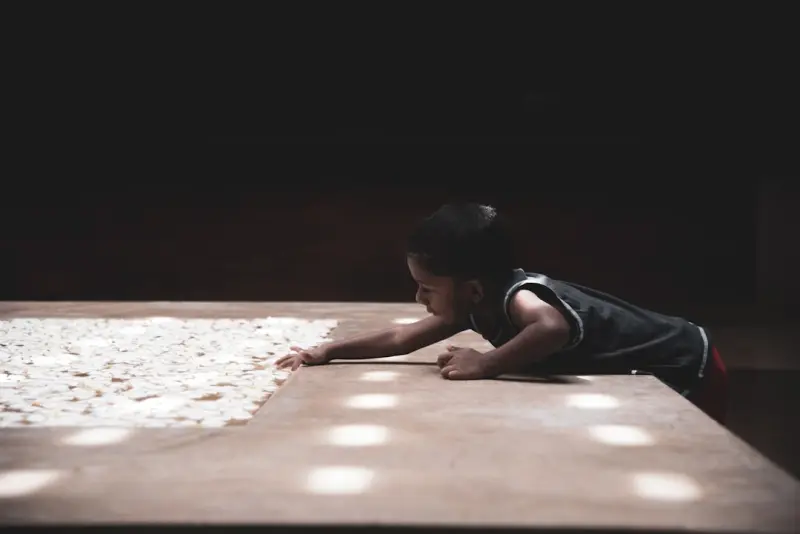
Cultivating Curiosity Through Unstructured Play
Unstructured play isn’t a mess—it’s a learning lab. This post explores how free‑form play, b... Read More
Top Posts

The Art of a Lean Plugin Stack: Performance, Security, and Longevity
A deep dive into trimming your plugin inventory, tightening security, and choosing tools that scale, all from a hands‑on perspective that balances performance...Read More

Why Audio‑First Social Is the Secret Weapon for B2B SaaS Brands
Audio‑first social platforms are reshaping B2B SaaS marketing by fostering authentic conversations, delivering deep insights, and driving higher qualified lea...Read More

Reimagining the Driver’s Seat: How Digital Twins Are Transforming Car Development
Digital twins are revolutionizing automotive development by creating dynamic, data‑rich virtual replicas of cars. This article examines how they cut costs, ac...Read More

SEO Strategies for AI‑First Content
In an era where AI generates content at scale, this post outlines a human‑AI collaborative workflow, data hygiene checklist, and modern metrics to future‑pr...Read More
0 Comments
Post Comment
You will need to Login or Register to comment on this post!