
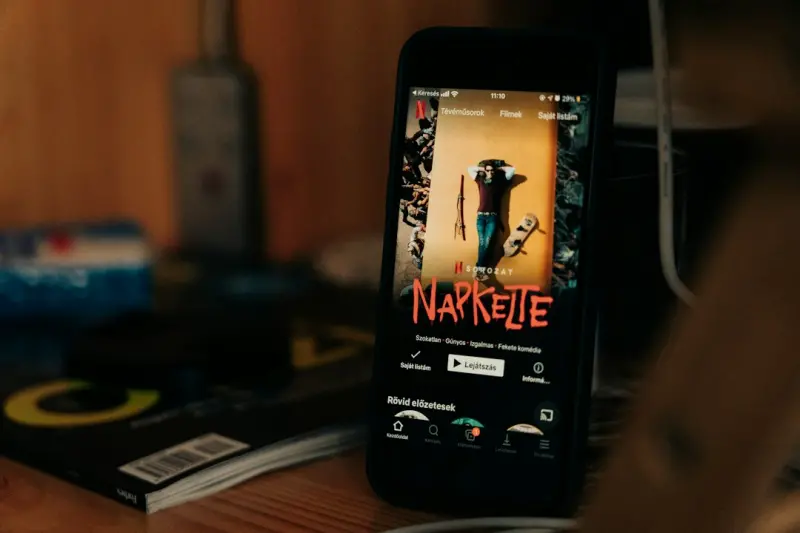
Introduction
When I first slipped a fresh‑off‑the‑shelf phone into my pocket, I expected the usual: notifications, occasional selfies, and the occasional frantic scramble for a charger. What I didn’t anticipate was that my phone would start sounding more like a co‑producer than a peripheral. In the past few months, the smartphone has quietly morphed from a communication tool into a full‑blown creative partner, and the shift is being driven by three converging forces: smarter on‑device AI, modular hardware ecosystems, and the rise of frictionless workflow bridges that let you move from capture to publish without ever leaving the screen.
The AI Camera That Actually Understands You
Remember the days when you had to manually tweak exposure, focus, and white balance to get a decent shot? Those days are fading fast. Modern flagship devices now embed AI models that can read a scene in milliseconds, recognize subjects, and adjust settings on the fly. This isn’t the generic “beautify” filter you see on social media; it’s a contextual assistant that knows you’re shooting a product demo at a desk, a night‑time cityscape, or a fast‑moving sports event, and it tailors the lens behavior accordingly.
What’s more compelling is that these models are increasingly running on the phone itself, thanks to dedicated neural processing units (NPUs). The result? Near‑instant feedback, no reliance on cloud latency, and a privacy‑first approach that keeps your raw visual data under your control.
If you’re a content creator, this translates to less time fiddling with settings and more time focusing on storytelling. The AI can suggest composition tweaks, flag potential motion blur, and even propose a short edit sequence that aligns with the rhythm of the captured footage. It’s like having a seasoned director whispering in your ear, but without the ego.
Modular Design: The Phone You Can Actually Customize
While Apple and most Android manufacturers have settled into a monolithic design philosophy, a handful of innovators are re‑introducing the idea of modular smartphones. Think of it as a “Lego” approach for high‑end hardware: you can snap on a higher‑resolution sensor, a longer‑life battery, or a specialized lens attachment without buying an entirely new device.
This modularity isn’t just a gimmick; it’s a strategic answer to the growing demand for specialized tools in niche professions. A field journalist covering a protest might add a ruggedized case with a high‑gain microphone, while a fashion photographer could attach a macro lens that rivals dedicated DSLR gear. The ability to upgrade incrementally also extends the lifecycle of the device, a subtle nod to sustainability without the overt “green” branding that dominates the tech discourse.
Companies experimenting with this model are building marketplaces where third‑party developers can sell certified modules. As a result, the ecosystem starts to resemble an app store, but for hardware. This opens up revenue streams for accessory makers and gives power users the freedom to tailor their device to their workflow, rather than forcing them into a one‑size‑fits‑all compromise.
Seamless Workflow Integration: From Capture to Publish in One Swipe
The third pillar of the smartphone‑as‑creative‑partner movement is the integration layer that binds capture, editing, and publishing into a single, frictionless flow. Cloud‑based services have long offered the promise of “edit anywhere,” but the newest generation of mobile‑first platforms goes further: they embed AI‑driven tagging, auto‑transcription, and collaborative comment threads directly into the native gallery.
Imagine shooting a quick interview on your phone, and within seconds the app generates a rough cut, suggests subtitles, and shares a private link with your team for instant feedback. All of this happens without you ever opening a desktop editor. For remote teams, this is a game‑changer—especially when you consider the growing trend of distributed creative workforces.
One example of this integration philosophy can be seen in the way companies are blending business travel with creative output. The concept of blending work and travel is no longer a novelty; it’s a strategic advantage. By equipping traveling professionals with a phone that can instantly turn a spontaneous street‑level scene into a polished brand asset, organizations can harvest real‑time, authentic content that resonates far more than staged studio shoots.
Why This Matters for Professionals, Not Just Hobbyists
For many, the smartphone is still viewed as a “personal” device, separate from the “professional” toolkit of laptops, cameras, and dedicated software. That mental split is eroding, and the implications are profound:
- Cost Efficiency: Investing in a high‑end phone that doubles as a camera and a content hub can reduce the need for multiple pieces of equipment, especially for small teams or solo creators.
- Speed to Market: With AI‑assisted editing and instant publishing pipelines, the time from idea to distribution can shrink from days to minutes.
- Data Governance: On‑device AI ensures sensitive footage stays on the device, aligning with privacy regulations without sacrificing functionality.
- Scalability: Modular upgrades mean the same device can evolve with your needs, protecting your investment as technology standards rise.
Real‑World Use Cases That Illustrate the Shift
Field Sales Teams:* Sales reps are now using phones equipped with AI‑driven document scanners that instantly convert receipts and contracts into searchable PDFs, then push them to the CRM with a single tap. The integration eliminates paperwork bottlenecks and improves data accuracy.
Event Production:* Live event coordinators are employing modular lenses to capture both wide‑angle venue shots and close‑up performer details, all while the AI suggests optimal lighting settings based on the stage design. The footage is streamed directly to a cloud mixer that adds graphics on the fly, all managed from the phone.
Healthcare Documentation:* Mobile clinicians are leveraging the AI camera to capture high‑resolution images of wounds or scans, which the on‑device algorithm annotates with diagnostic suggestions. These images are then encrypted and sent to the patient’s record, reducing the need for separate imaging devices.
Challenges to Watch
While the trajectory is exciting, there are hurdles to navigate. Battery life remains a constraint; running powerful AI models and high‑resolution sensors can drain a device quickly. Vendors are responding with larger capacities and smarter power‑management chips, but the trade‑off between performance and endurance is still a balancing act.
Another concern is the fragmentation of modular ecosystems. If each manufacturer creates proprietary module standards, the promise of a unified marketplace could splinter. Industry consortia are beginning to draft open specifications, but adoption will take time.
Finally, the AI models themselves must be transparent. As devices become more autonomous in decision‑making—adjusting exposure, applying filters, even suggesting edits—users need clear insight into how those choices are made, especially in regulated industries where visual documentation carries legal weight.
Looking Ahead: The Phone as an Extension of Your Brain
When you combine AI‑augmented vision, modular adaptability, and frictionless workflow integration, the smartphone starts to feel less like a tool and more like an extension of your cognitive process. It anticipates needs, adapts hardware to fit the moment, and removes the friction that once separated ideation from execution.
In a world where content velocity is a competitive moat, the devices that can produce high‑quality, on‑brand assets in real time will dictate the pace of innovation. The next wave of smartphones is poised to be the silent partner that powers that speed, and the early adopters will reap the advantage of being both faster and more creative.
For anyone still treating their phone as a mere communication device, it might be time to rethink that relationship. The future isn’t about buying a new camera or a separate editing suite—it’s about unlocking the latent studio already sitting in your pocket.
Curious about how these trends intersect with broader business strategies? A quick read on optimizing search experiences can reveal how seamless digital interactions drive growth, a principle that applies just as well to the way you handle media on your phone.

Jim Pearse, a seasoned freelance writer, brings a wealth of knowledge and passion to the world of home and garden. From the intricacies of landscaping to the nuances of interior design, Jim delves into every aspect of creating comfortable, beautiful, and functional living spaces.
Related Posts
The Quiet Power Shifts Making Smartphones Essential Everyday Partners
A deep dive into the understated ways smartphones are transforming into proactive partners for work,... Read More
Beyond the Hype: Uncovering the Real Environmental Cost of Your Smartphone
A deep dive into the true carbon footprint of smartphones, offering practical tips on repairability,... Read More
Why Sustainable Smartphones Matter More Than Ever
I’m diving into the hidden environmental costs of our phones and sharing practical ways to pick, u... Read More
Top Posts

Design Systems as Living Organisms: Keeping Your UI Kit Agile and Sustainable
A design system shouldn’t be a museum piece. Learn practical ways to keep your UI kit evolving, performance‑focused, and sustainable, turning it into a livi...Read More

Seeing Beyond Text: How Visual and Voice Search Are Redefining SEO for SaaS
Learn how SaaS marketers can leverage visual and voice search to unlock new traffic sources, optimize images and FAQs with schema, and stay ahead as search evol...Read More

The Gift of Sustainability: Eco-Friendly Presents for the Modern Consumer
Eco-friendly gifting is a powerful way to promote sustainability and reduce waste. Learn how to make a positive impact on the planet through gifting....Read More

The Intersection of Web Design and Sustainability: A New Era of Digital Communication
The web has a significant environmental impact, but sustainable web design can help reduce it. Learn how to create eco-friendly websites that promote sustainabl...Read More
0 Comments
Post Comment
You will need to Login or Register to comment on this post!