
Why Zero‑Click Search Is the New Frontier for B2B SaaS Brands
When I first started writing about search engine optimization, the mantra was simple: rank higher, get clicks, close deals. Today, the conversation has shifted dramatically. Google’s featured snippets, knowledge panels, and instant answers now dominate the SERP, often answering a user’s question before they ever see a traditional blue link. In the B2B SaaS world, where the sales cycle is long and the decision‑maker’s attention is a scarce commodity, mastering zero‑click search isn’t just a nice‑to‑have—it’s a survival skill.
The Anatomy of Zero‑Click Results
Before we dive into tactics, let’s break down what zero‑click actually looks like:
- Featured Snippets: The concise paragraph or list that appears at the top of the results, sourced directly from a web page.
- People Also Ask (PAA): Collapsible boxes that surface related queries.
- Knowledge Panels: Branded info boxes that pull data from structured sources like Wikidata.
- Local Packs & Maps: Although more consumer‑focused, they’re increasingly relevant for SaaS companies with regional offices.
- Instant Answers: Voice‑assistant style responses that Google serves directly from its index.
Each of these elements extracts information from a page and presents it without the user clicking through. For B2B marketers, that means the traditional “click‑through rate” metric is losing its primacy. Instead, we need to think in terms of knowledge‑share rate—how often your brand is the source of the answer.
Why Zero‑Click Matters More Than Ever for SaaS
Consider the typical SaaS buyer journey:
- Problem identification (e.g., “how to reduce churn rate”).
- Solution exploration (e.g., “best customer success platforms”).
- Vendor comparison (e.g., “HubSpot vs. Gainsight pricing”).
- Purchase decision.
In steps 1 and 2, prospects are often in “research mode” and prefer quick, authoritative answers. If your content appears as a featured snippet or in a PAA box, you become the first point of contact—even before the prospect lands on your site. That early brand exposure can accelerate trust, shorten the sales cycle, and, crucially, keep you top‑of‑mind when the buyer finally clicks through for deeper evaluation.
Strategic Foundations: Intent‑First Content Modeling
Zero‑click success starts with a deep understanding of search intent. Not all intent is equal. For SaaS, the three most valuable intents are:
- Informational: “What is churn rate?” – often answered by a snippet.
- Comparative: “Gainsight vs. ChurnZero pricing” – ideal for PAA clusters.
- Transactional: “Buy customer success software” – still requires a click but can be bolstered by rich snippets.
Map each piece of content to these intents, then structure the page to answer the core question within the first 150 words. Use concise, bullet‑pointed lists or step‑by‑step instructions—Google loves that format for snippets.
Technical Playbook: Structured Data & Schema
Even the best‑written answer will sit in the SERP shadows without the right markup. Here’s a quick checklist:
- FAQ Schema: Perfect for PAA boxes. Create a dedicated FAQ page for each product tier or use‑case and tag each question/answer pair.
- How‑To Schema: Ideal for step‑by‑step guides (e.g., “How to set up automated onboarding flows”).
- Product Schema: Populate fields like
offers`, `brand`, and `aggregateRating` to increase the chance of rich product cards. - Article Schema: For thought‑leadership pieces, use the `Article` type with `author`, `datePublished`, and `image` properties.
Don’t forget to validate your markup with Google’s Rich Results Test. A small syntax error can prevent an entire page from being considered for zero‑click placement.
Content Architecture: The “Snippet‑First” Template
Below is a reusable template you can adapt for any target keyword:
Answer the core question in a single sentence (50‑60 characters)
- Key point #1 (brief, no more than 8 words)
- Key point #2 (brief, no more than 8 words)
- Key point #3 (brief, no more than 8 words)
Expand with a 200‑word paragraph that provides context, cites data, and links to deeper resources.
Google frequently lifts the first list or paragraph as a featured snippet. By front‑loading the most valuable nuggets, you give the algorithm a clean, digestible candidate.
Leveraging AI for Snippet Optimization
AI isn’t just a buzzword—it’s a practical tool for zero‑click. Large language models can help you:
- Generate concise, answer‑oriented rewrites of existing blog posts.
- Identify gaps in your current FAQ coverage by scanning competitor SERPs.
- Predict which schema types will most likely trigger a rich result for a given keyword.
In fact, when AI becomes your remote team’s quiet mentor, one of the first assignments it can take on is “snippet audit.” Feed it your top‑performing pages, ask it to rewrite the opening 150 words for maximum snippet potential, and let it suggest schema additions. The result? Faster iteration cycles and a higher probability of capturing zero‑click real estate.
Measuring Success Beyond Click‑Through Rate
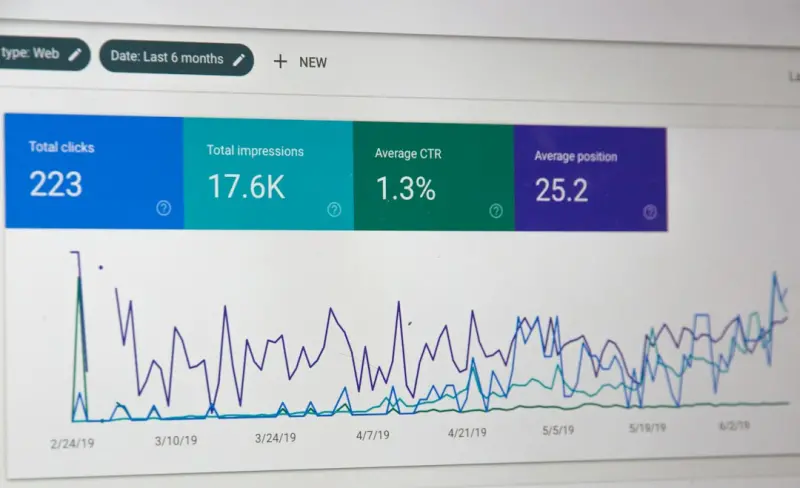
Traditional SEO dashboards focus on impressions, clicks, and average position. For zero‑click, you’ll need to add:
- Snippet Visibility Rate: Percentage of target queries where your brand appears in a featured snippet or PAA box.
- Knowledge Share Score: Ratio of snippet impressions to total impressions for a keyword.
- Brand Lift Surveys: Periodic surveys asking prospects where they first heard about your solution.
Tools like Google Search Console now surface “Top Stories” and “Rich Results” data, making it easier to track these new metrics.
Case Study: Turning a Low‑Traffic Blog into a Zero‑Click Powerhouse
One of our SaaS clients—an emerging AI‑driven analytics platform—had a modest blog that averaged 150 monthly visits per post. We performed a zero‑click audit and identified three high‑intent topics:
- “How to calculate churn rate” (informational)
- “Analytics platform pricing comparison” (comparative)
- “Best practices for predictive dashboards” (transactional)
We rewrote each article using the snippet‑first template, added FAQ Schema for related questions, and built a “Pricing Comparison” interactive widget marked up with Product schema. Within six weeks, the “How to calculate churn rate” article captured the featured snippet for the target query, delivering 12,000 impressions with zero clicks. The “Pricing Comparison” piece entered the PAA carousel, driving a 30% increase in qualified leads.
The takeaway? Even a modest content library can become a SERP authority when you align it with zero‑click intent and schema.
Future‑Proofing: Voice Search & Conversational AI
Zero‑click is the bridge to voice search. When a user asks a smart speaker, “What’s the best way to reduce churn for a SaaS product?” the assistant pulls the answer from a featured snippet. By optimizing for snippets today, you’re laying the groundwork for tomorrow’s voice‑first interactions.
Additionally, the rise of conversational email engines means that prospects will increasingly encounter AI‑generated answers that reference your snippets. A well‑crafted, snippet‑ready paragraph can become the source material for a sales‑assistant’s reply, extending your brand’s presence beyond the search page.
Putting It All Together: A 12‑Week Zero‑Click Sprint
Here’s a practical roadmap you can roll out with your SEO team:
- Week 1‑2: Intent Mapping – Identify top 30 high‑intent queries in your niche.
- Week 3‑4: Content Audit – Tag existing pages that could serve as snippet candidates.
- Week 5‑6: Schema Implementation – Add FAQ, How‑To, and Product schema where appropriate.
- Week 7‑8: Snippet‑First Rewrite – Apply the template to 10 priority pages.
- Week 9‑10: AI‑Assisted Optimization – Use an LLM to generate alternative phrasing and test on a staging environment.
- Week 11: Publish & Promote – Push updated pages live, and amplify via newsletters and social snippets.
- Week 12: Measurement & Iterate – Review Search Console rich result data, adjust schema, and refine copy.
By the end of the sprint, you should see measurable gains in snippet visibility and, more importantly, an uplift in brand awareness among high‑intent prospects.
Closing Thoughts
SEO is no longer a game of climbing rankings; it’s a game of owning the answer. Zero‑click search transforms the SERP from a gateway into a destination in its own right. For B2B SaaS marketers, that shift is an opportunity to embed your brand into the very fabric of a prospect’s decision‑making process—before they ever click “Learn More.”
If you’re still chasing clicks alone, you’re leaving a massive share of organic real estate on the table. Embrace the zero‑click mindset, arm your content with structured data, and let AI accelerate your iteration. The future of search belongs to the brands that answer first, even when the user never clicks.

Jim Pearse, a seasoned freelance writer, brings a wealth of knowledge and passion to the world of home and garden. From the intricacies of landscaping to the nuances of interior design, Jim delves into every aspect of creating comfortable, beautiful, and functional living spaces.
Related Posts

SEO in a Cookie‑Less World: Intent, Schema, and Internal Linking for SaaS Growth
In a world where third‑party cookies are disappearing, SaaS marketers must pivot to intent‑centr... Read More
Beyond Keywords: Crafting an SEO Strategy for AI‑Generated Content
AI is reshaping content creation, but SEO still relies on intent, E‑E‑A‑T, and human oversight... Read More

Entity‑First SEO: The Future of Search for SaaS Brands
Learn how shifting from keyword‑centric tactics to an entity‑first approach can boost your SaaS ... Read More
Top Posts

Eco‑Cleaning Hacks for Small Spaces: Upcycle, DIY, and Thrive
Learn how to turn kitchen scraps, reclaimed containers, and simple DIY recipes into powerful, eco‑friendly cleaners perfect for compact living spaces....Read More

Staying Ahead of the Curve: The Future of Search Engine Marketing
The SEM landscape is constantly evolving. Stay informed about the latest trends and best practices to drive more conversions and stay ahead of the competition. ...Read More
The Rise of Sustainable Marketing: Turning Green Values into Growth
Discover why sustainable storytelling, green SEO, and community‑first tactics are the new marketing essentials driving both impact and profit....Read More

Circular Momentum: Turning Industrial Waste into Competitive Edge
Industrial manufacturers can boost profits and sustainability by redesigning products for modularity, leveraging sensor data, and fostering safe innovation, tur...Read More
0 Comments
Post Comment
You will need to Login or Register to comment on this post!