
Why Digital Twins Are the Quiet Revolution Driving Modern Car Development
When I first stepped onto the assembly line of a legacy automaker, the roar of stamping presses and the smell of hot metal felt like stepping into a time capsule. Fast‑forward a few years, and the same floor hums with the faint whir of servers, the glow of simulation dashboards, and the occasional ping of a virtual test run. The shift isn’t just cosmetic—it’s a fundamental rethinking of how we conceive, build, and refine a vehicle. In my experience, the most transformative force behind this change is the digital twin.
What Exactly Is a Digital Twin?
A digital twin is a high‑fidelity, data‑rich replica of a physical object— in this case, an automobile— that lives in a cloud‑based environment. Unlike a static CAD model, a twin continuously ingests sensor data from its real‑world counterpart, updates its physics engine in real time, and allows engineers to run “what‑if” scenarios without ever lifting a wrench.
Think of it as a living, breathing organism: its heart beats to the rhythm of telemetry, its muscles flex with stress simulations, and its nervous system responds to software updates the same way a driver would feel a new infotainment tweak. This dynamic relationship creates a feedback loop that shrinks development cycles from months to weeks, and sometimes even days.
The Business Case: From Cost Center to Competitive Edge
Traditional vehicle development is notoriously expensive. Physical prototypes cost millions, and each iteration demands re‑tooling, crash testing, and a slew of regulatory approvals. Digital twins flip that equation on its head. By validating designs in a virtual sandbox first, manufacturers can:
- Cut material waste: Simulations reveal stress points before a single piece of steel is cut.
- Accelerate time‑to‑market: Software updates can be rolled out and validated in the twin before a dealer even sees the car.
- Boost cross‑functional collaboration: Engineers, designers, marketers, and even finance teams can interact with the same model, speaking a common language.
- Reduce recall risk: Potential failures are caught in the virtual realm, not on the highway.
From Virtual Wind Tunnel to Real‑World Performance
One of the earliest successes of digital twins was in aerodynamics. Instead of building dozens of scale models for wind‑tunnel testing, engineers now run computational fluid dynamics (CFD) directly on the twin. The result? Instant insights into drag, lift, and airflow turbulence.
But the impact goes beyond shape. Modern cars are packed with sensors—engine temperature, brake wear, battery health, you name it. By feeding this data into the twin, manufacturers can predict when a component will degrade, allowing predictive maintenance schedules that keep fleets on the road longer and with fewer unexpected breakdowns.
In fact, the concept of real‑time analytics that’s reshaping sports performance is now the backbone of automotive reliability. Just as coaches adjust a runner’s stride mid‑race, engineers can tweak a powertrain’s calibration on the fly, all within the safety of a virtual environment.
Human‑Centric Design: Re‑imagining the Driver’s Experience
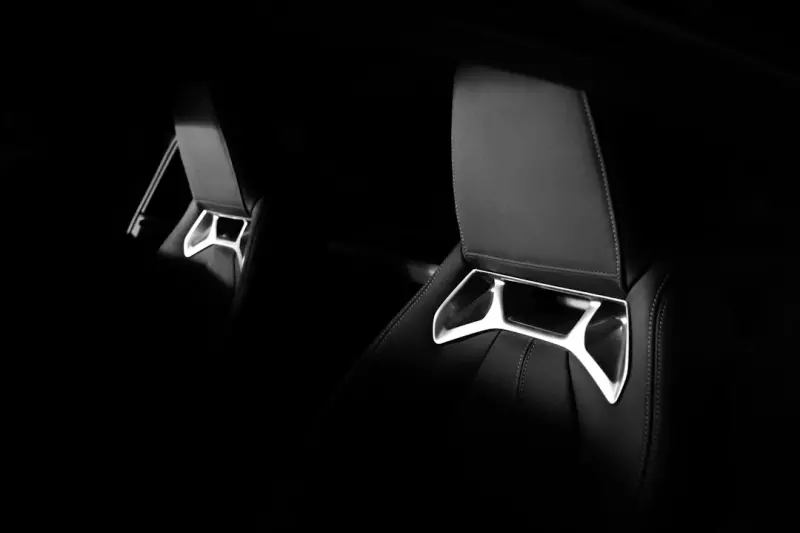
Digital twins aren’t just for engineers. They’re becoming a powerful tool for designers who want to understand how a driver actually feels behind the wheel. By simulating human biomechanics, eye‑tracking, and even emotional responses, teams can iterate on seat comfort, dashboard ergonomics, and haptic feedback without building a physical mock‑up each time.
Imagine a future where a buyer can log into a portal, select a configuration, and then sit inside a fully immersive, 3‑D twin that reacts to their movements—adjusting seat lumbar support, testing the reach of the steering wheel, and even simulating road noise. This level of personalization turns a car from a generic product into a tailored experience.
Supply Chain Resilience in a Turbulent World
The pandemic taught the automotive industry how fragile global supply chains can be. Digital twins are now being leveraged to map out entire supply networks, modeling the impact of a factory shutdown in one continent on the final assembly line in another. By visualizing these dependencies, executives can proactively shift orders, source alternative materials, or even redesign parts to be less reliant on a single supplier.
This proactive approach isn’t just about risk mitigation; it’s about seizing opportunity. If a new lightweight alloy becomes available, the twin can instantly assess its compatibility with existing designs, saving weeks of manual testing.
Regulatory Compliance Made Seamless
Compliance is a maze of safety standards, emissions regulations, and regional certifications. Traditionally, each change required a new round of physical testing, which is both time‑consuming and costly. With a digital twin, compliance checks become automated checks. The twin can run emissions simulations for Euro 6, US EPA, and even emerging zero‑emission standards with a single click, flagging any deviations before the physical prototype even exists.
Challenges: Data, Integration, and Trust
While the promise of digital twins is dazzling, the journey isn’t without hurdles. The biggest challenges include:
- Data fidelity: Garbage in, garbage out. Ensuring that sensor data is accurate, timestamped, and secure is paramount.
- Cross‑domain integration: Automotive systems span mechanical, electrical, software, and even human factors. Stitching these together into a coherent twin requires robust APIs and a culture of collaboration.
- Organizational trust: Engineers who have spent a career on the shop floor may be skeptical of a “virtual” version. Building trust means demonstrating that the twin’s predictions consistently align with real‑world outcomes.
Addressing these pain points often involves a phased rollout: start with a single subsystem—say, the powertrain—validate the twin’s predictions, then expand to the full vehicle. Over time, the twin becomes a trusted “second brain” for the organization.
Case Study: Accelerating EV Development
One leading EV manufacturer recently announced that it cut its battery‑module validation timeline by 60 % using a digital twin. By replicating thermal behavior, charge‑discharge cycles, and even mechanical vibrations within the twin, the team identified a potential hotspot that would have required costly physical re‑testing. The insight allowed them to redesign the cooling layout in the virtual space, produce a revised prototype, and bring it to market months ahead of schedule.
Beyond speed, the twin also helped the company meet stringent range‑estimation regulations in multiple markets without building separate test rigs for each region. The result? A smoother launch, lower development costs, and a more reliable product for early adopters.
The Road Ahead: From Twins to a Networked Fleet
Today’s digital twins are often isolated to a single vehicle model. The next evolution will be a fleet‑wide digital twin ecosystem, where every car on the road contributes data back to a central, continuously learning model. This network will enable:
- Predictive software updates that adapt to regional driving habits.
- Dynamic pricing models based on real‑time wear and usage patterns.
- On‑demand virtual crash simulations that improve safety standards across the board.
In this future, the line between product and service blurs. Cars become platforms that evolve long after they leave the dealership, guided by an ever‑refining digital twin.
Getting Started: A Practical Playbook
If your organization is ready to dip its toes into the digital twin pool, consider these first steps:
- Define clear objectives: Are you targeting faster prototyping, predictive maintenance, or regulatory compliance?
- Invest in data infrastructure: High‑resolution sensors, secure data pipelines, and scalable cloud storage are the foundation.
- Choose a modular approach: Start with a subsystem—engine, battery, or suspension—before scaling up.
- Collaborate across silos: Bring together mechanical engineers, software developers, UX designers, and business analysts early.
- Validate continuously: Pair every virtual test with a physical benchmark to build confidence.
Remember, the goal isn’t to replace physical testing altogether—at least not yet—but to augment it, making the entire development lifecycle smarter, faster, and more sustainable.
Conclusion: The Twin as a Catalyst for Innovation
Digital twins are more than a tech buzzword; they’re a catalyst that empowers automotive teams to innovate with confidence. By uniting data, simulation, and human insight, they transform the driver’s seat from a static control panel into a dynamic interface that evolves with every mile driven. As we look toward a future of autonomous fleets, electrified powertrains, and hyper‑connected mobility, the twin will be the quiet engine powering that revolution.

Amanda is a passionate writer exploring a kaleidoscope of topics from lifestyle to travel and everything in between.
Related Posts
Driving the SaaS Revolution: How Intelligent Platforms Are Steering Modern Fleets
A deep dive into how predictive maintenance, resilient networking, subscription models, and AI‑dri... Read More

Software‑Defined Vehicles Are Redefining Car Ownership
Software‑defined vehicles turn cars into evolving platforms, offering OTA upgrades, proactive main... Read More
Beyond the Steering Wheel: Why the Human Touch Still Matters in Autonomous Mobility
A deep dive into the essential role of trust, transparency, and human involvement in autonomous vehi... Read More
Top Posts

How Remote Collaboration Can Shrink Your Carbon Footprint (And Boost Productivity)
A deep dive into the hidden carbon costs of virtual meetings and practical steps—like consolidating platforms, optimizing video quality, and embracing asynchr...Read More
Energy-as-a-Service: The Quiet Revolution Redefining Business Agility
Energy-as-a-Service transforms power from a static expense into a dynamic, subscription‑based advantage. This article explains the model, real‑world use cas...Read More

Beyond the Blog: Turning Your Content Hub into a Live Customer Success Engine
A static blog is a relic. Learn how to convert your content hub into a living, data‑rich engine that drives customer success, personalizes experiences, and co...Read More

Why Handwritten Vows Still Matter in a High‑Tech Wedding World
Handwritten vows bring authenticity to high‑tech weddings, while micro‑meditation, playful stress relief, and sustainable rituals deepen the emotional impac...Read More
0 Comments
Post Comment
You will need to Login or Register to comment on this post!