
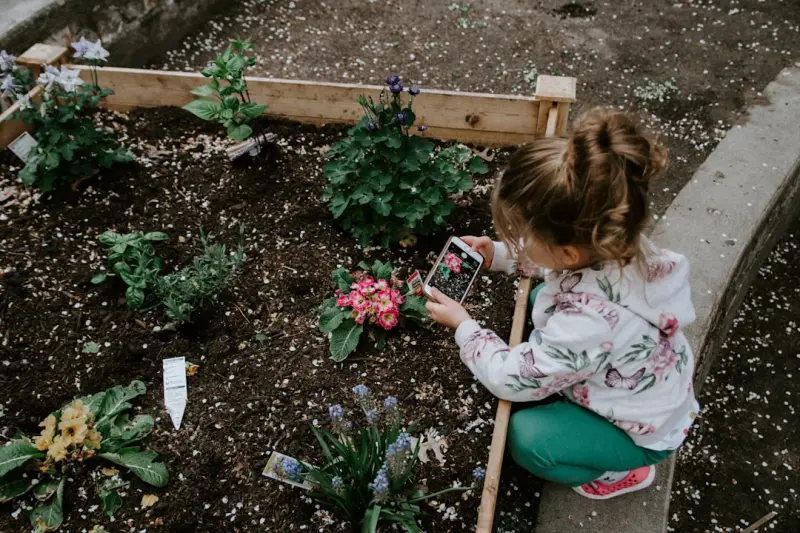
When I first moved into my compact downtown loft, the concrete skyline seemed to swallow any hint of nature. Yet, the yearning for soil under my fingertips persisted, nudging me toward a tiny balcony that became my experimental canvas. Over the past months I’ve turned that modest space into a living laboratory, where scent, sound, and texture intertwine to create a sensory oasis that feeds the mind as much as the soil. This is less a how‑to guide and more a diary of the moments when a seedling’s first leaf feels like a quiet triumph against the city’s hum.
Re‑imagining Space: From Shelf to Sanctuary
The first obstacle was the lack of square footage. Instead of fighting the dimensions, I embraced verticality. A series of reclaimed wooden pallets, weather‑treated and securely fastened, became the backbone of a tiered garden. Each level was dedicated to a different sense:
- Sight: trailing vines of morning glory cascade down the far side, their blue‑purple blossoms catching the sunrise.
- Touch: a cluster of lavender and soft sage invites fingertips to linger, their leaves velvety against skin.
- Sound: a modest wind chime, fashioned from reclaimed copper pipe, rustles alongside the gentle whisper of bamboo grass.
- Smell: aromatic herbs—basil, mint, thyme—release their perfume when brushed by a passing breeze.
By assigning each tier a sensory purpose, the garden transcended its modest footprint, becoming a multi‑dimensional retreat that feels larger than its physical bounds.
Choosing Plants That Speak Back
Plants are not just decorative; they are communicators. I gravitated toward species that offer tactile feedback or auditory cues. For instance, the touch-me-not (Mimosa pudica) folds its leaflets the moment they’re brushed, providing an instant, playful interaction. Similarly, the silver dollar eucalyptus releases a faint, citrusy scent when its leaves are disturbed, rewarding curiosity.
When selecting these companions, I asked myself three questions:
- Does the plant respond to touch or movement?
- Will its foliage or flowers emit a scent that evolves over time?
- Can it survive the micro‑climate of my balcony—wind, sun, and occasional drizzle?
Answering these helped me curate a garden that feels alive, conversational, and ever‑changing.
Tech Meets Tactile: Smart Tools Without Losing the Human Touch
While I cherish analog intimacy, I couldn’t ignore the subtle conveniences that modern technology offers. A modest soil moisture sensor tucked beneath the basil’s root zone sends a gentle vibration to my phone when thirst approaches. This tiny nudge feels less like a robotic reminder and more like a whisper from the earth, urging me to water before the leaves begin to droop.
For those curious about the broader possibilities, consider exploring smart garden assistants that learn your watering patterns and adjust irrigation automatically. The key is to let the technology augment, not replace, the personal dialogue you develop with each plant.
Layering Light: Harnessing Natural and Artificial Sources
Sunlight on a city balcony is fickle—blocked by neighboring buildings during peak afternoon hours. To compensate, I introduced a low‑profile LED grow light that mimics the full spectrum of sunrise to sunset. Unlike harsh fluorescent fixtures, these LEDs emit a gentle, amber glow that complements the evening ambiance rather than overpowering it.
Strategically positioning the light above the top tier ensures the vines receive the most vigor, while the lower herbs bask in filtered, softer illumination. This layered approach mirrors the way a forest canopy filters light, creating a micro‑environment where each plant thrives in its preferred luminosity.
Watering Rituals as Mindful Practice
Watering is often reduced to a routine task, but I transformed it into a meditative ceremony. Every evening, I fill a reclaimed copper watering can, the metal warming in my hands. As I pour, I focus on the sound of water meeting soil, the scent of earth rising, and the subtle tremor of leaves responding. This slow, intentional act not only nurtures the plants but also anchors me in the present, providing a brief respite from the city’s relentless pace.
When I’m away, a simple drip irrigation line—set up with a timer—takes over, but I always return to the manual ritual when I’m home, preserving the personal connection.
Seasonal Shifts: Allowing the Garden to Evolve
Just as the city’s skyline changes with construction, a garden must adapt with the seasons. In early spring, I replace the trailing vines with hardy pansies that offer bursts of color. Come summer, the vines return, sprawling luxuriously as temperatures rise. Autumn sees the introduction of ornamental kale, its frilly leaves providing texture against the fading light. Finally, winter brings a modest arrangement of evergreen sprigs and a few potted succulents, ensuring the garden remains a year‑round point of interest.
This cyclical redesign keeps the space dynamic and prevents stagnation, reinforcing the idea that a garden, like a living being, grows, sheds, and renews.
Community Roots: Sharing the Experience
Gardening, especially in constrained urban spaces, can feel solitary. To combat this, I started a small, invitation‑only Slack channel with fellow balcony gardeners across the city. We exchange photos, tips, and even trade cuttings. The digital platform mirrors the concept of interactive communication—each message becomes a living thread that nurtures the collective knowledge base.
This community has turned my balcony into a showcase for others, inspiring neighbors to experiment with their own micro‑gardens, and creating a ripple effect of green pockets throughout the concrete jungle.
Harvesting the Intangible: Benefits Beyond Produce
While the basil and mint are destined for the kitchen, the true harvest lies in the intangible rewards:
- Emotional resilience: tending to living things grounds me during stressful workdays.
- Creativity boost: watching vines find new paths sparks fresh ideas for design projects.
- Social connection: sharing seedlings with friends deepens relationships.
These gains, though difficult to quantify, are the real dividends of urban gardening.
Future Horizons: Merging Art, Tech, and Nature
Looking ahead, I’m intrigued by the possibilities of integrating multi‑sensory design principles into outdoor micro‑environments. Imagine a balcony where gentle mist, subtle fragrance diffusion, and responsive lighting converge to create a curated experience that changes with the time of day.
Such installations could serve as therapeutic retreats for office workers, a living lab for designers, or simply a personal sanctuary that evolves with its caretaker. The convergence of art, technology, and horticulture promises endless avenues for exploration.
Final Reflections
My balcony garden began as a desperate attempt to reclaim a sliver of nature. It has blossomed into a holistic, sensory-rich haven that challenges the notion that urban living must be detached from the earth. By embracing vertical design, choosing communicative plants, judiciously applying technology, and fostering community, I’ve crafted a space that nourishes both soil and soul.
If you’re standing on a similar concrete ledge, remember: the garden you build is as much about the stories you tell yourself as it is about the seedlings you sow. Let each leaf, scent, and sound become a paragraph in your own green narrative.

Mei Chen is a dynamic professional who brings a unique blend of skills to Blogging Fusion. As a key contributor to the Blogging Fusion platform, she leverages her writing expertise to create engaging content that resonates with our audience.
Related Posts

Micro‑Garden Lab: Turning Small Spaces into Living Experiments
Learn to transform limited indoor or balcony spaces into a micro‑garden laboratory, blending lowâ€... Read More
Unearthing the Hidden Orchestra: How Soil Microbes Can Transform Your Garden
Learn how soil’s invisible microbial community fuels plant health and how to nurture it with compo... Read More

Urban Soil Secrets: Building a Thriving Balcony Garden from Kitchen Scraps
Learn to transform kitchen scraps into a vibrant soil microbiome, use DIY compost and mycorrhizal fu... Read More
Top Posts

Beyond the Assembly Line: How Digital Twins Are Transforming Industrial Product Lifecycles
Digital twins are moving from novelty to necessity, offering manufacturers a virtual replica of each product that drives predictive maintenance, process optimiz...Read More

Smart Pet Parenting: Wearables & Sustainable Care
A deep dive into how wearable technology, data‑driven habits, and sustainable product swaps can transform pet care, improve your furry friend’s wellbeing, a...Read More

Redefining Education in the Green Era: Lessons from the Frontlines
A fresh look at education through a sustainability lens, offering practical strategies for teachers, parents, and students to embed eco‑conscious thinking int...Read More
Living Green: How Biophilic Design Turns Home Offices Into Wellness Hubs
A deep dive into biophilic design for home offices, showing how natural elements, sustainable materials, and mindful tech placement can reduce stress, boost cre...Read More
0 Comments
Post Comment
You will need to Login or Register to comment on this post!