
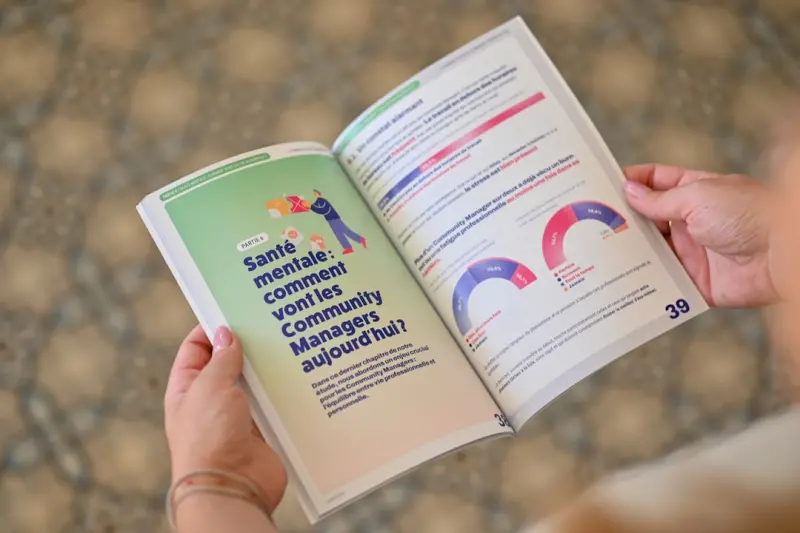
Branding in the SaaS arena has become more than a logo or a color palette—it’s the silent handshake that greets every prospect before they even read a line of copy. Over the past few years I’ve watched companies treat branding like a side‑project, tacking on a tagline and calling it a day. The truth? In a market where product features change weekly, the brand is the one thing that can stay consistent, credible, and compelling.
Why Your Brand Needs a Narrative DNA, Not Just a Visual Identity
Think of a brand as a living organism. Its visual elements—logo, typography, color—are the skin. They’re the first thing people notice, but they don’t tell the whole story. The narrative DNA lives in the way you solve problems, the language you use, the expectations you set, and the emotions you trigger.
When I first joined a fast‑growing SaaS startup, the CEO demanded a “fresh look” for the website. We hired a design agency, refreshed the logo, and rolled out new brand guidelines. Six months later, churn rates were still climbing. The reason? The visual overhaul didn’t change the underlying story we were telling customers. We were still positioning ourselves as a “feature‑rich platform” while the market was gravitating toward “outcome‑focused solutions.” The mismatch between visual identity and narrative DNA created cognitive dissonance.
The lesson? A brand’s narrative DNA must be aligned with the market’s language, the product’s core value proposition, and the company’s culture. Only then does the brand become a magnet rather than a billboard.
Building a Narrative Framework: The Three Pillars
To construct a narrative that sticks, I break it down into three interlocking pillars:
- Purpose‑Driven Core: The why behind what you do. It’s the problem you’re solving at a deeper level, beyond the feature set.
- Customer‑Centric Storyline: The journey your customer takes—from pain point to breakthrough—framed in their own language.
- Culture‑Infused Voice: The tone and manner in which you speak, reflecting the internal DNA of your team.
When these pillars are in sync, every touchpoint—blog posts, onboarding emails, support tickets—reinforces the same story. The brand becomes a cohesive experience rather than a disjointed collage.
Data‑Driven Storytelling: Turning Metrics into Meaning
In B2B SaaS, you have a goldmine of data: usage patterns, churn signals, feature adoption rates, NPS scores. Most teams treat this data as operational input, but it can also be a storytelling engine.
Let’s say your analytics show that 70% of users hit a specific “time‑to‑value” milestone within three days. That’s not just a metric; it’s a narrative hook. Frame your brand story around “instant impact” and weave that data point into case studies, website copy, and sales decks.
Conversely, if you notice a high dropout after the first week, that’s a warning signal that your current narrative isn’t resonating. Maybe the promise you’re making feels too vague. Use those insights to sharpen the story—perhaps emphasizing “steady growth” rather than “instant results.”
In practice, I set up a quarterly “Story Review” where the marketing, product, and customer success leads pull the latest product data and ask: “What does this tell us about the story we’re living?” It’s a simple ritual that keeps the brand narrative agile and grounded in reality.
Embedding Brand Consistency Across the Organization
Branding isn’t a marketing department responsibility; it’s an organization‑wide commitment. Here are three tactics that have helped my teams lock in consistency:
- Brand Playbooks as Living Documents – Instead of a static PDF, I use an internal wiki that evolves with each product iteration. Sections include “Core Purpose,” “Customer Persona Scripts,” and “Tone of Voice Guidelines.” Teams can contribute examples, ensuring the playbook reflects real‑world usage.
- Cross‑Functional Story Workshops – Quarterly workshops bring product managers, engineers, sales, and support together to rehearse the brand story. Each group presents how they’d explain the brand to a new prospect, and the group converges on the most compelling version.
- Real‑Time Brand Audits – We run a lightweight audit on every new piece of external communication—blog posts, ad copy, demo scripts—using a checklist that flags misaligned language or tone. The audit is automated via a simple script that cross‑references the brand playbook.
These habits ensure that the brand isn’t just a top‑down mandate but a shared narrative that every employee can embody.
Leveraging Community as a Brand Amplifier
One of the most underrated branding levers in SaaS is community. When you create a space where users can exchange ideas, share success stories, and solve each other’s problems, you’re turning customers into brand ambassadors.
Our community platform started as a modest forum for power users. Within six months, the most engaged members began publishing their own tutorials, which we featured on our blog. The ripple effect was immediate: organic traffic rose by 35%, and inbound leads quoted community content in their first conversations with sales.
The key is to let the community’s voice shape the brand narrative. If users consistently talk about “empowering teams to innovate,” weave that phrasing into your official messaging. When the community’s language mirrors your brand DNA, the brand feels authentic and inevitable.
Branding Meets Product Development: A Two‑Way Street
Product decisions should echo the brand promise, and the brand should evolve with product breakthroughs. A practical way to align these domains is to embed branding criteria into the product roadmap review.
During our quarterly roadmap session, we ask three branding questions for each feature:
- Does this feature reinforce our core purpose?
- Will it enable the customer storyline we’ve defined?
- Can we communicate its value using our brand voice?
If a feature fails any of these checks, we either re‑scope it or re‑frame its positioning. This ensures that product development isn’t just adding features for the sake of growth—it’s building the brand’s promise into the product itself.
Practical Tools to Keep Your Brand on Track
Here are a few tools I rely on to keep the branding engine humming:
- Brand Sentiment Dashboard – Pulls in social mentions, NPS comments, and support tickets to surface sentiment trends. Alerts trigger when sentiment deviates from the brand tone.
- Content Alignment Matrix – A spreadsheet that maps each piece of content (blog, whitepaper, email) to the three narrative pillars. Gaps become obvious, and duplication is eliminated.
- Internal Brand Ambassador Program – Select employees across departments receive brand training and act as “brand champions,” ensuring consistent messaging in client calls, webinars, and even internal meetings.
Real‑World Example: Turning a Feature‑Heavy Narrative into Outcome‑Focused Branding
One of our clients—a project‑management SaaS—was stuck in a feature‑first narrative. Their website listed 50+ capabilities, but prospects churned after the trial. We led a brand transformation that focused on a single outcome: “Deliver projects on time, every time.”
We rewrote their value proposition, stripped the website down to three core benefits, and built case studies around the “on‑time delivery” metric. Within three months, trial‑to‑paid conversion jumped 28%, and churn dropped 15%.
The shift wasn’t about removing features; it was about re‑framing them as enablers of the primary outcome. This outcome‑centric narrative aligned the sales pitch, onboarding flow, and even the product roadmap—everywhere the brand was spoken.
Future‑Proofing Your Brand in a Rapidly Evolving SaaS Landscape
As technology accelerates, brands that cling to static identities risk obsolescence. To stay ahead, consider these forward‑looking practices:
- Scenario‑Based Brand Planning – Draft brand narratives for multiple future scenarios (e.g., AI‑driven automation, regulatory changes). When the market shifts, you already have a ready‑made story.
- Continuous Voice Testing – Use A/B testing on email subject lines, landing page copy, and even chatbot responses to gauge which tone resonates best with evolving audiences.
- Data‑Backed Brand Evolution – Regularly analyze product usage, customer feedback, and market trends to identify emerging themes. Let those themes inform your brand refresh cycles.
By treating branding as a dynamic, data‑informed discipline, you ensure that your brand remains relevant, credible, and compelling—no matter how fast the SaaS world moves.
Connecting the Dots: SEO, AI, and Brand Narrative
While branding is fundamentally about story, it can’t exist in isolation from the technical levers that drive discovery. A well‑crafted narrative, when paired with strategic SEO, amplifies reach. For instance, aligning your brand’s purpose with high‑intent keywords can create a virtuous loop where content that tells your story also ranks higher.
Consider reading our deep dive on SEO-driven product development to see how SEO can be woven into the product roadmap, reinforcing brand promises at the same time.
Similarly, leveraging AI to personalize brand experiences at scale is a game changer. Our AI-powered operational playbook showcases how intelligent automation can deliver consistent brand messaging across touchpoints, from onboarding emails to in‑app guidance.
When SEO and AI work hand‑in‑hand with a robust narrative DNA, your brand becomes not just memorable, but discoverable and adaptable.
Takeaway Checklist
Use this quick checklist to audit your brand’s health:
- Does your visual identity reflect your narrative DNA?
- Are you turning product data into storytelling hooks?
- Is the brand story embedded in product roadmaps?
- Do cross‑functional teams live the brand daily?
- Is community content influencing your brand language?
- Do you have real‑time metrics tracking brand sentiment?
- Are you leveraging SEO and AI to amplify your story?
If you can answer “yes” to most of these, you’re on the right track. If not, it’s time to schedule a brand alignment sprint—your future customers (and your bottom line) will thank you.

Jimmy Stewart is a content creator that gets inspired by many aspects of life, internet or whatever inspires him at that moment. When he's not online he's gaming and when he is not gaming he is online trolling discussion boards.
Related Posts
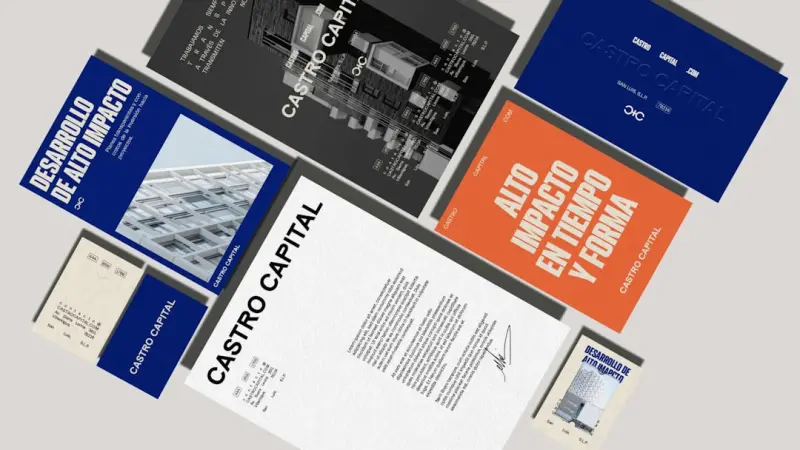
The Power of Sensory Branding: How Smell, Sound, and Touch Shape Your Brand
Sensory branding goes beyond visual identity, using smell, sound, and touch to create memorable, emo... Read More

Adaptive Brand Systems: Staying Relevant in a Fluid Market
Explore why static brand guidelines fall short in today’s multi‑channel SaaS world and discover ... Read More

Why Hybrid Brand Archetypes Are the Secret Weapon for Modern Marketers
Explore the power of hybrid brand archetypes, a fresh strategy that lets marketers craft flexible, r... Read More
Top Posts

Guarding Your Digital Life: Practical Strategies for Everyday Online Safety
Learn how to build a robust online safety routine, from password mastery to safe social media habits, and protect your digital life with everyday, actionable st...Read More
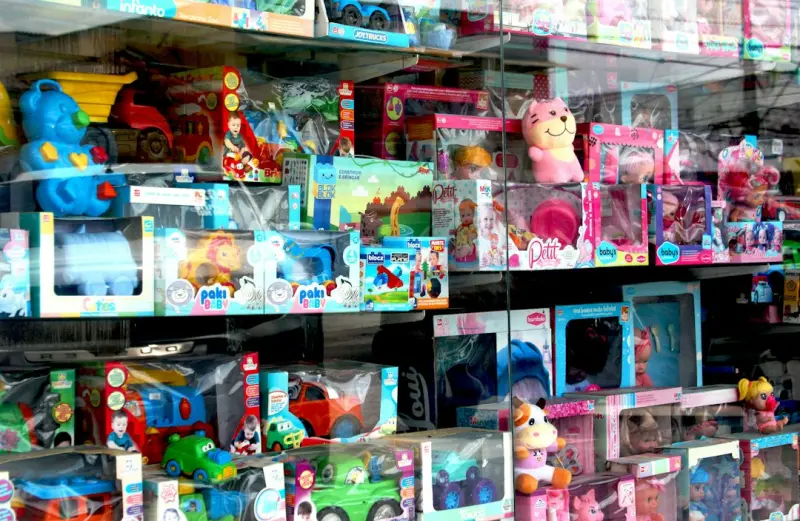
Why the Toy Rental Boom Is Rewriting Playtime
Toy rentals are transforming play by extending product lifespans, cutting costs, and fostering community, offering a sustainable and inclusive alternative to tr...Read More

Why Safety Starts With Mindful Choices in a Connected World
Discover how mindfulness, smart devices, and community connections transform safety from a checklist into a sustainable lifestyle, empowering you to protect you...Read More

Cultivating a Sensory Garden: A Multisensory Blueprint for Modern Well‑Being
A sensory garden blends color, sound, scent, touch, and taste into a living sanctuary. Discover practical design steps, maintenance tips, and simple tech tricks...Read More
0 Comments
Post Comment
You will need to Login or Register to comment on this post!