

Why Branding is the Quiet Engine of SaaS Growth
When most people think about branding, they picture a shiny logo, a catchy tagline, and a glossy style guide. In the B2B SaaS world, however, branding is far more than visual polish. It’s a strategic, data‑driven discipline that influences everything from product design to customer success, pricing strategy to go‑to‑market motion. In this post I’ll walk you through the less‑obvious layers of SaaS branding, why they matter, and how you can start treating your brand as a measurable asset rather than a decorative afterthought.
The Brand as a Decision‑Making Framework
Think of a brand not as a static set of assets but as a decision‑making framework that aligns every team around a shared promise. When a prospect lands on your website, their perception of your brand determines whether they see you as a trusted partner or just another vendor. When a customer support rep solves a ticket, the brand’s tone of voice guides the language they use. When your product team prioritizes a roadmap, the brand’s value proposition helps answer “Is this the right move for our promise to the market?”
In practice, this means you need a brand charter that translates high‑level positioning into concrete, day‑to‑day actions. It should answer three questions:
- What problem do we solve better than anyone else? This is the core of your unique value proposition.
- Who do we serve? A precise, data‑backed buyer persona (or a set of personas) keeps messaging razor‑sharp.
- What emotional payoff do we deliver? Even in B2B, decisions are emotional; you must articulate how you make life easier, safer, or more exciting.
When these answers are baked into product roadmaps, sales scripts, and support SOPs, the brand stops being a “nice‑to‑have” and becomes a competitive moat.
From Visuals to Experience: The Rise of Sensory Branding
Brands today are judged on experience, not just appearance. SaaS companies have a unique advantage: the product itself is a digital experience that can be shaped to reinforce brand values. Consider the following sensory cues you can leverage:
- Micro‑interactions. A subtle animation when a user saves a report can convey confidence and polish.
- Sound design. A soft chime when a task completes can signal reliability and calm.
- Typography and color palettes. Consistency across the UI reinforces professionalism; bold colors can signal innovation.
- Loading experiences. A well‑crafted progress indicator turns a potential pain point into a brand moment.
Every touchpoint, from onboarding emails to the in‑app dashboard, should echo the same personality. When done right, these cues create a “brand echo” that stays in the user’s mind long after they log out.
Brand Equity as a Measurable KPI
In a world obsessed with ARR and churn, brand equity often feels intangible. Yet it can be quantified with a blend of qualitative surveys and hard metrics:
- Net Promoter Score (NPS) linked to brand perception. Ask respondents why they would recommend you—brand cues often surface.
- Brand lift studies. Run A/B tests where one group sees a brand‑focused landing page and the other sees a feature‑first page; compare conversion rates.
- Social sentiment analysis. Track how often brand‑related keywords appear in social mentions versus product‑only keywords.
- Referral rates. A strong brand often fuels organic referrals, a low‑cost acquisition channel.
By integrating these data points into your regular reporting cadence, you turn brand health into a KPI that sits alongside MRR, CAC, and LTV.
Internal Branding: Aligning Teams Around a Shared Story
External perception is only half the battle. If your employees don’t “live” the brand, the promise you make to customers will quickly crumble. Internal branding involves three steps:
- Storytelling workshops. Bring together product, sales, support, and marketing teams to co‑create the brand narrative. When people help write the story, they own it.
- Brand ambassadorship programs. Identify enthusiastic employees to champion the brand at conferences, webinars, and on social media.
- Performance incentives. Tie a portion of bonuses or recognition to metrics that reflect brand values—e.g., “customer delight” scores or “brand‑aligned feature deliveries.”
This internal alignment not only boosts morale but also creates a consistent brand voice that resonates with prospects at every stage of the funnel.
Brand‑Driven Content: The Power of Narrative Over Features
Most SaaS blogs fall into the “how‑to” trap, focusing on features rather than the deeper story. A brand‑centric content strategy flips that script. Instead of “How to set up X integration,” ask “How does X integration free up time for your team to focus on what truly matters?”
This shift does two things:
- It positions your product as an enabler of the customer’s aspirations, not just a tool.
- It aligns SEO efforts with brand‑centric keywords, increasing the chance of attracting high‑intent traffic.
For example, when you write about AI‑generated personas, you can frame the narrative around “unlocking the human side of data to build deeper relationships,” tying the technical capability back to the brand promise of empathy and insight. See AI‑Generated Personas: Turning Data Into Sales Gold for inspiration.
Leveraging Data‑Driven Personas for Brand Consistency
Personas aren’t just sales tools; they are the cornerstone of brand consistency. By developing detailed, data‑backed personas, you ensure that every piece of communication—whether it’s a cold email, a product tooltip, or a support article—speaks directly to the intended audience’s language, pain points, and aspirations.
When personas are built on real usage data, they become living documents that evolve with the market. This fluidity allows the brand to stay relevant without losing its core promise. To see how a sophisticated persona framework can feed both marketing and product, explore the AI‑Generated Personas post.
Branding in the Era of Signal‑First Marketing
Traditional brand awareness campaigns—banner ads, generic webinars—are losing traction. Modern buyers respond to “signals” they emit: search queries, content downloads, social interactions. A signal‑first approach captures these intent cues and serves brand‑aligned experiences in real time.
By mapping signals to brand touchpoints, you can deliver a cohesive narrative that feels personal. For instance, a prospect who searches for “secure API integration for fintech” should encounter a landing page that not only highlights security features but also tells a story about trust, reliability, and industry expertise—core brand attributes.
Implementing this strategy requires a tech stack that can ingest and act on signals quickly. The Signal‑First Search Engine Marketing framework offers a practical roadmap for turning intent into revenue while reinforcing brand positioning.
Brand Extensions: When to Expand and When to Stay Focused
As SaaS companies mature, the temptation to launch new product lines or services under the same brand can be strong. Brand extensions can accelerate growth, but they also risk diluting the core promise if not managed carefully.
Use the following checklist before extending:
- Fit with core values. Does the new offering embody the same emotional payoff?
- Market demand. Is there clear, validated demand that aligns with existing personas?
- Operational capability. Can your team deliver the same level of quality and support?
- Brand equity impact. Will the extension strengthen or erode the brand’s perception?
If the answer to most questions is “yes,” an extension can reinforce your market leadership. If not, it may be wiser to create a sub‑brand or keep the offering separate.
Measuring the ROI of Branding Initiatives
Investors love numbers, and branding is no exception. Here’s a simple formula to calculate the Brand ROI for a campaign:
Brand ROI = (Incremental Revenue Attributed to Brand – Campaign Cost) / Campaign Cost
To attribute revenue, use a multi‑touch attribution model that weights touchpoints by their brand relevance (e.g., brand‑centric content receives a higher weight than generic ads). Over time, you’ll see a clear correlation between brand health metrics (NPS, brand lift) and financial performance.
Future‑Proofing Your Brand in a Rapidly Changing Landscape
The SaaS market evolves at breakneck speed—new frameworks, pricing models, and user expectations appear almost weekly. A future‑proof brand embraces two principles:
- Adaptability. Keep the brand promise broad enough to accommodate product pivots but specific enough to stay memorable.
- Authenticity. In an era of AI‑generated content and deepfakes, genuine human stories become a differentiator. Share real customer success narratives, employee experiences, and behind‑the‑scenes moments.
By building a brand that is both flexible and authentic, you ensure it remains relevant, no matter how the technology stack shifts.
Action Plan: 5 Steps to Elevate Your SaaS Brand Today
- Audit your current brand assets. Collect every touchpoint—website copy, UI micro‑interactions, email signatures—and rate them against your brand charter.
- Develop data‑driven personas. Leverage usage analytics, support tickets, and sales data to create living personas that feed both product and marketing.
- Map sensory cues. Identify at least three micro‑interactions, sound cues, or visual details you can improve to reinforce brand personality.
- Implement a signal‑first workflow. Use intent data to deliver brand‑aligned experiences in real time, following the framework in the Signal‑First Search Engine Marketing post.
- Track brand health. Set up quarterly surveys, brand lift tests, and sentiment analysis dashboards to monitor progress and iterate.
Branding isn’t a one‑off project; it’s a continuous loop of listening, aligning, and delivering. When you treat it as a strategic engine, you’ll see the ripple effect across acquisition, retention, and advocacy.

Robert Mathews is a professional content marketer and freelancer for many SEO agencies. In his spare time he likes to play video games, get outdoors and enjoy time with his family and friends . Read more about Robert Mathews here:
Related Posts

The Data‑Driven Playbook for Building a Human‑Centric SaaS Brand
Branding isn’t just a logo; it’s a living contract with every stakeholder. This playbook shows h... Read More
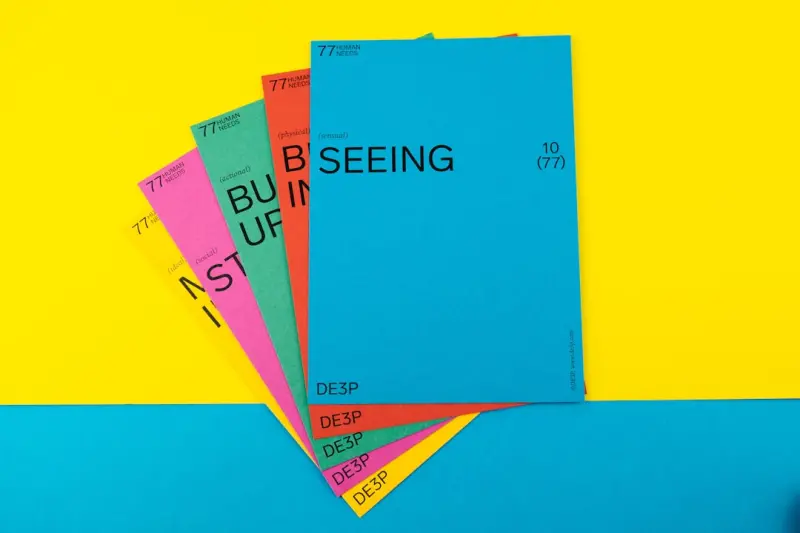
Reinventing B2B Branding: The Power of Narrative Architecture
Branding in SaaS is more than a logo—it's an evolving story. Learn how to build a narrative archit... Read More

The Sensory Edge: Why SaaS Brands Need More Than a Logo
In today’s crowded SaaS landscape, visual design alone isn’t enough. Discover how leveraging sou... Read More
Top Posts

Why Modern SaaS Companies Need a Fresh Approach to Insurance
A deep dive into why insurance should be a strategic asset for SaaS businesses, covering risk mapping, dynamic coverage, product‑integrated dashboards, and ho...Read More

AI‑First Development Platforms: Accelerating Software Creation with Intelligent Partners
AI‑first development platforms are reshaping software creation by pairing intelligent code generation with structured data, delivering faster prototypes, demo...Read More

Sustainable Travel: How Eco-Friendly Practices are Revolutionizing the Way We Explore
Sustainable travel is about more than just reducing our carbon footprint. It's about respecting local cultures and environments, and supporting businesses that ...Read More

The Evolution of Software Development: Trends and Innovations
The software development landscape is rapidly evolving, driven by technological advancements, changing user needs, and new business models. Stay informed about ...Read More
0 Comments
Post Comment
You will need to Login or Register to comment on this post!