

The Unseen Engine Behind Every Milestone: Celebration as Strategy
When most SaaS leaders think about growth, the first things that come to mind are product roadmaps, customer acquisition funnels, and churn metrics. Rarely do we pause to consider how we acknowledge the tiny victories that stitch those big numbers together. I’ve spent the last decade watching teams sprint from one release to the next, and the pattern is unmistakable: groups that embed genuine celebration into their rhythm not only retain talent longer, they also innovate faster. This isn’t a fluffy, feel‑good suggestion; it’s a measurable lever you can pull today.
Why Celebration Matters More Than You Think
Human beings are wired for social reinforcement. When a colleague receives a public nod for cracking a hard bug, the brain releases dopamine—a chemical that sharpens focus and encourages repeat behavior. In a high‑velocity environment like SaaS, where the line between success and burnout can blur, that dopamine hit becomes a protective buffer, reminding people that their effort matters beyond the next sprint.
But celebration isn’t just a morale booster; it’s a signal to the entire organization. It tells new hires, “We notice hard work and we reward it.” It tells investors, “Our culture is resilient.” And it tells the market, “We’re not just building software; we’re building a community.” The ripple effects are surprisingly concrete: higher NPS scores, lower voluntary turnover, and even a measurable uptick in cognitive science-backed productivity metrics.
From One‑Off Parties to Sustainable Rituals
There’s a big difference between throwing a “release party” and establishing a celebration ritual. The former is an event tied to a specific milestone; the latter is a recurring practice that reinforces values. Here are three frameworks I’ve seen work across teams of all sizes:
- Micro‑Celebrations: A quick Slack emoji, a five‑minute “shout‑out” segment at the start of the stand‑up, or a virtual coffee toast. These happen daily or weekly and keep the momentum alive.
- Milestone Moments: Quarterly “wins” meetings where teams showcase completed features, customer success stories, or data breakthroughs. The key is to tie the celebration to a tangible outcome, not just the fact that a quarter passed.
- Culture‑Centric Ceremonies: Annual “Values Day” where employees share stories of how they lived the company’s core principles. This transforms abstract values into lived experiences.
Each of these layers serves a distinct purpose, but together they create a celebration ecosystem that feels organic rather than forced.
The Science of Timing: When to Celebrate
Not every win deserves a full‑blown celebration. Over‑celebrating can dilute the impact of truly significant achievements. Here’s a simple decision tree I use:
- Impact Size: Does the win move a key KPI by at least 5‑10%? If yes, it’s a candidate for a milestone moment.
- Team Effort: Was the achievement the result of cross‑functional collaboration? Multi‑team wins merit a broader celebration.
- Learning Value: Did the process yield insights that can be codified into best practices? Share those learnings as part of the ceremony.
When you align celebration with impact, you avoid the “cheer fatigue” that can make people tune out.
Embedding Celebration into Remote and Hybrid Workflows
The pandemic forced many SaaS companies to go fully remote, and the lack of physical office cues made spontaneous celebration harder. Yet the same constraints opened doors for new, inclusive rituals:
- Virtual “Wall of Wins”: A shared digital board where anyone can pin a screenshot, a customer quote, or a metric spike. Teams can scroll through it during meetings, turning individual triumphs into collective inspiration.
- Celebration Pods: Small, cross‑department groups that meet monthly to highlight personal and professional milestones—birthdays, certifications, marathon completions. This builds empathy beyond the work‑centric lens.
- Home‑Office Enhancements: Encourage employees to personalize their workspace with elements that trigger positive emotions. A well‑designed environment, as discussed in home office design, can amplify the joy of recognition.
These practices show that celebration is not limited to a physical break‑room; it can be woven into the very fabric of your digital collaboration tools.
Celebration Metrics: Measuring the Intangible
It sounds paradoxical, but you can track the ROI of celebration. Here are four leading indicators you can start monitoring today:
- Engagement Index: Track participation rates in celebration rituals (e.g., % of team members who post in the “Wall of Wins”). A rising index correlates with higher employee NPS scores.
- Productivity Peaks: Use time‑tracking data to see if there’s a measurable dip in task‑switching after a celebration event. Focused work tends to increase after positive reinforcement.
- Retention Correlation: Compare turnover rates among employees who frequently receive public recognition versus those who don’t. The gap is often striking.
- Innovation Frequency: Count the number of ideas submitted to your internal idea‑bank following celebration cycles. Celebrated teams are more likely to propose experiments.
These metrics turn celebration from a “soft” initiative into a strategic asset you can report to leadership.
Common Pitfalls and How to Avoid Them
Even the best‑intentioned celebrations can backfire if mishandled. Below are the most frequent missteps and quick fixes:
- One‑Size‑Fits‑All Rewards: Not every employee values the same type of recognition. Offer a menu of options—gift cards, extra PTO, learning credits—so people can pick what resonates.
- Public Shaming by Omission: When you celebrate a subset of the team, others may feel invisible. Rotate the spotlight and be transparent about the criteria.
- Celebration Fatigue: Too many ceremonies dilute meaning. Keep the frequency aligned with impact (see the decision tree above).
- Neglecting Follow‑Through: Celebrate the win, then capture the lessons learned. If the post‑mortem never happens, the celebration becomes a hollow gesture.
Celebration as a Growth Engine: Real‑World Examples
Let me share two anonymized case studies that illustrate how intentional celebration can accelerate growth.
Case Study A: Reducing Bug‑Fix Cycle Times by 30%
A mid‑size SaaS firm introduced a weekly “Bug‑Buster Shout‑Out” where developers who closed high‑severity tickets received a badge and a small bonus. Over three months, the average bug‑fix cycle dropped from 4 days to 2.8 days. The team reported higher engagement in sprint retrospectives, and the bug‑related churn metric fell by 12%.
Case Study B: Boosting Cross‑Team Collaboration
A cloud‑security startup launched a quarterly “Cross‑Team Hackathon” tied to a celebration ceremony. Teams were judged not just on code output but on how well they incorporated feedback from product, sales, and support. The winning project led to a feature that increased upsell conversion by 8% and gave the entire company a shared story of success.
Practical Playbook: Building Your Celebration Framework
Ready to turn theory into action? Follow this step‑by‑step playbook:
- Audit Existing Practices: List every current form of recognition, from informal Slack emojis to formal awards. Identify gaps.
- Define Celebration Goals: Align with business objectives—reduce churn, accelerate time‑to‑market, improve employee NPS.
- Select Ritual Types: Choose a mix of micro‑celebrations, milestone moments, and culture‑centric ceremonies that fit your team size and distribution model.
- Assign Ownership: Designate a “Celebration Champion” in each department who curates content, schedules events, and tracks metrics.
- Integrate Technology: Use existing tools (e.g., Slack bots, Confluence pages) to automate recognition and capture data for the metrics outlined above.
- Iterate Quarterly: Review the celebration metrics, gather feedback, and tweak the rituals. Celebrate the improvements to close the loop.
When you embed this loop into your operating cadence, celebration becomes a self‑reinforcing system rather than an afterthought.
Conclusion: Celebrate to Accelerate
In the relentless race for product‑market fit, the most sustainable advantage isn’t a new feature stack or a lower latency server. It’s the culture that fuels continuous, high‑quality output. Celebration, when done with intention, is the catalyst that transforms a group of skilled workers into a high‑performing team that learns, adapts, and thrives together.
If you’re ready to make celebration a strategic priority, start small, measure diligently, and let the data guide you. The payoff is a workplace where every win—big or tiny—propels the next one forward.

Robert Mathews is a professional content marketer and freelancer for many SEO agencies. In his spare time he likes to play video games, get outdoors and enjoy time with his family and friends . Read more about Robert Mathews here:
Related Posts

Celebrating Everyday Wins: Turning Simple Moments into Sustainable Joy
Explore the art of celebrating small, sustainable wins each day. From mindful rituals to green gathe... Read More
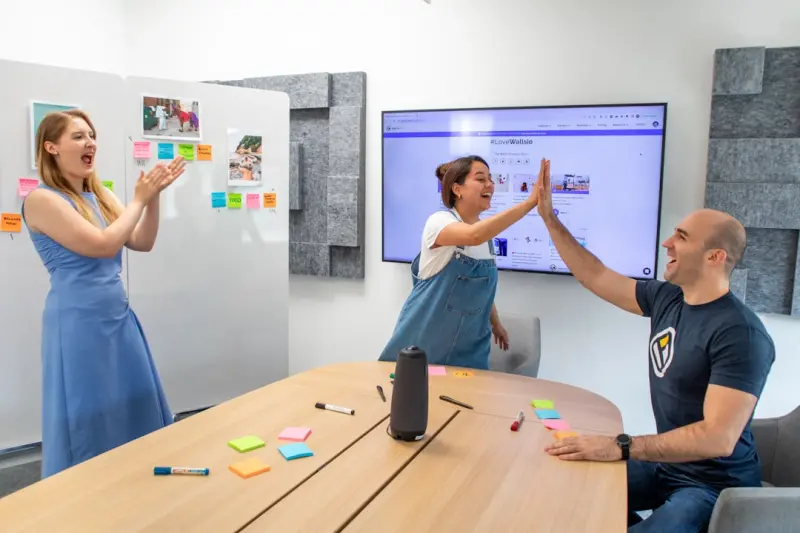
The Quiet Power of Micro‑Celebrations in Remote Teams
Micro‑celebrations, the subtle recognitions woven into daily workflows, are reshaping remote team ... Read More
Micro‑Celebrations: Tiny Rituals That Transform Everyday Moments
Explore the power of micro‑celebrations—small, intentional rituals that turn everyday moments in... Read More
Top Posts

The Pet‑Powered Remote Desk: Boosting Focus, Wellbeing, and Team Culture
A pet‑friendly workstation isn’t just cute—it’s a strategic tool for remote workers. Learn how cats, dogs, and small animals can sharpen focus, enhance ...Read More

Why Mobile Apps Are the Silent Engines of Modern Enterprise Growth
Mobile apps are no longer a side project; they’re the action hubs that power B2B SaaS workflows, boost performance with WebAssembly, embed AI for on‑device ...Read More

Reimagining Everyday Spaces for a Greener Life
A personal guide to everyday sustainability—zero‑waste kitchens, smart energy tools, DIY cleaners, and community swapping—designed to make greener living ...Read More
Unlocking the Hidden Potential of SaaS Plugin Ecosystems
A deep dive into designing, governing, and marketing a SaaS plugin ecosystem that transforms third‑party extensions into a sustainable revenue engine and inno...Read More
0 Comments
Post Comment
You will need to Login or Register to comment on this post!