

When I first walked into a historic barn in the foothills of the Blue Ridge Mountains, the scent of fresh pine and the echo of distant laughter made my heart race. It was the moment I realized that modern couples aren’t just looking for a pretty backdrop—they want a story that feels alive, interactive, and unforgettable. In the past few years, the wedding industry has been quietly undergoing a renaissance, driven by the same forces reshaping everything from software development to home design: immersive tech, personalized data, and a craving for authentic moments that linger long after the last toast.
Why the “Hybrid” Wedding Is No Longer a Niche
Think back to the early days of video calls—pixelated faces, awkward lag, and a sense that you were watching a screen, not truly participating. Fast forward to today, and the technology that once felt clunky now delivers crystal‑clear, low‑latency experiences that can be woven seamlessly into a ceremony. A hybrid wedding—where in‑person guests share the floor with virtual attendees via a curated digital environment—has moved from “novelty” to “necessity.”
There are three core reasons this shift feels inevitable:
- Geographic freedom. Families are spread across continents. A hybrid format lets grandparents toast from their kitchen while the bride and groom dance under the same chandelier.
- Budget elasticity. While a traditional destination wedding can drain a budget, a hybrid approach can allocate funds toward high‑impact experiences—think interactive lighting or a live‑stream director—without compromising the intimacy of a local venue.
- Data‑driven personalization. Modern couples want to know what each guest loves, from favorite songs to dietary quirks. Real‑time analytics from the streaming platform can inform on‑the‑fly adjustments, creating a bespoke experience for every attendee.
Designing the Digital Guest Experience
When you treat a live stream as a second venue, every detail matters. The visual language should echo the physical décor, and the interaction design needs to feel natural, not forced. Here’s a step‑by‑step guide that I’ve refined over the past dozen weddings:
- Choose a platform that supports custom branding. Look for services that allow you to overlay your wedding colors, monograms, and even animated transitions that match the physical lighting scheme.
- Set up a “virtual lobby.” Before the ceremony begins, guests can mingle in a digital lounge where they can view a photo wall, leave video messages, or explore a timeline of the couple’s story.
- Integrate AI co‑creation for real‑time captions and translation. This not only makes the event accessible but also adds a layer of polish that feels futuristic without being gimmicky.
- Leverage micro‑interactions & motion to signal key moments. A subtle sparkle when the couple shares their first dance, or a gentle ripple when a toast is made, keeps virtual attendees emotionally synced with the live action.
- Offer “choose‑your‑view” options. Some guests may want a wide‑angle view of the ballroom, while others prefer a close‑up of the rings. Multi‑camera setups give control back to the audience.
These elements combine to create a digital space that feels less like a broadcast and more like a parallel celebration.
The Power of Sensory Storytelling
In a physical wedding, you rely on décor, music, scent, and tactile details to create atmosphere. To translate that richness online, you need to think beyond video and audio. Sensory branding principles, originally honed in the tech world, are a goldmine for event planners.
Here are three sensory hacks that work beautifully in hybrid settings:
- Soundscapes. Curate ambient playlists that evolve with the ceremony—soft strings during the vows, a crescendo as the couple walks down the aisle, and a lively beat for the reception.
- Visual texture. Use slow‑motion video overlays that mimic the soft flutter of a veil or the sparkle of fairy lights, creating depth on screen that mimics the physical environment.
- Interactive scent packets. Yes, you can mail tiny fragrance sachets to virtual guests ahead of time. When the couple lights a candle, guests can experience the same subtle vanilla or lavender note, bridging the physical‑digital gap.
When these senses are thoughtfully aligned, even a guest watching from a laptop feels present in the moment.
Curating Content That Lives On
Weddings have always generated a trove of memories—photos, videos, handwritten notes. In the hybrid era, you have the unique opportunity to capture and repurpose that content in ways that were previously unimaginable.
Consider building a “post‑wedding portal” where guests can log in to view:
- High‑definition recordings of each ceremony segment, segmented by camera angle.
- Interactive timelines that pair photos with short audio clips of guests sharing stories.
- A digital guest book that merges physical signatures scanned from the reception with video messages recorded in the virtual lobby.
These assets become evergreen marketing material for the couple—think personalized anniversary slideshows, anniversary social posts, or even a future “first‑look” video for their children.
Balancing Tradition with Innovation
One of the biggest anxities couples share is the fear that technology will drown out the intimacy of the moment. The solution is not to eliminate tech but to use it as a silent facilitator. Here’s how to keep the heart of the ceremony intact:
- Keep the core rituals analog. Vows, ring exchange, and first dance should happen in the physical space, unmediated.
- Use tech as a backstage assistant. Live‑stream directors can cue camera switches without the couple needing to think about it.
- Design “moments of pause.” Build short interludes where the couple looks directly at the virtual audience, acknowledging their presence with a smile or a wave.
When the technology works behind the curtain, the ceremony feels both timeless and contemporary.
Real‑World Case Study: A Mountain‑Top Micro‑Wedding with a Global Audience
Last fall, I consulted for a couple who wanted a micro‑wedding in a rustic mountain lodge, yet their families spanned three continents. Here’s what we did:
- Set up a 4‑camera rig with a drone for aerial shots of the surrounding forest, delivering a cinematic feel for online guests.
- Used an AI‑driven subtitle engine to provide real‑time captions in English, Spanish, and Mandarin, ensuring every guest could follow the vows.
- Sent scented lavender sachets to virtual attendees, timed to coincide with the lighting of a unity candle.
- Integrated a custom “virtual cocktail bar” where online guests could choose a mocktail recipe and receive a QR code to order the same drink from a local delivery service.
The result? Over 250 virtual guests reported feeling “as present as if they were standing there,” and the couple’s post‑wedding portal logged 12,000 unique visits in the first month. The blend of low‑tech tradition (hand‑crafted vows) and high‑tech engagement (AI captions, interactive lobby) proved that the hybrid model can be both heartfelt and cutting‑edge.
Practical Checklist for Your Hybrid Celebration
To make the planning process less overwhelming, I’ve compiled a concise checklist that you can print, pin, and refer to throughout the journey.
- Venue & Tech Compatibility: Verify Wi‑Fi bandwidth, power outlets, and space for camera rigs.
- Platform Selection: Choose a streaming service that supports multi‑camera, branding, and analytics.
- Content Strategy: Draft a timeline of key moments you want to capture and decide where micro‑interactions will be inserted.
- Guest Communication: Send clear instructions for virtual attendees, including platform links, QR codes for interactive features, and any pre‑sent items (scent packets, cocktail kits).
- Rehearsal: Conduct a full technical run‑through with the director, ensuring camera angles, audio levels, and captioning work flawlessly.
- Backup Plan: Have a secondary internet source (mobile hotspot) and a backup recording device.
- Post‑Event Assets: Plan for editing, hosting, and sharing the final video suite and digital guest book.
Following this roadmap reduces stress and ensures that both in‑person and online guests share a cohesive experience.
Looking Ahead: The Future of Celebration
As we move further into an era where physical boundaries blur, the wedding industry will continue to borrow from the playbooks of SaaS, gaming, and immersive media. Expect to see:
- Augmented reality (AR) filters that let guests overlay wedding-themed graphics onto their own environment.
- Blockchain‑based RSVPs that double as digital keepsakes and secure guest verification.
- Dynamic playlists generated in real time from guest mood data, ensuring the dance floor never loses its spark.
For now, the most powerful tool remains the same: a genuine desire to honor love in a way that feels personal, inclusive, and unforgettable. Whether you’re planning a grand ballroom affair or an intimate backyard ceremony, embracing hybrid possibilities can elevate your celebration from a moment in time to a living story that resonates for years to come.
So, as you sip your coffee and scroll through vendor catalogs, ask yourself: How can I weave technology into my day without letting it steal the spotlight? The answer lies in using tech as the invisible thread that binds hearts, miles, and memories together.

Ryan Stuart is a seasoned freelance features writer, editor, and professional photographer with a passion for exploring the world and capturing its beauty through words and images.
Related Posts
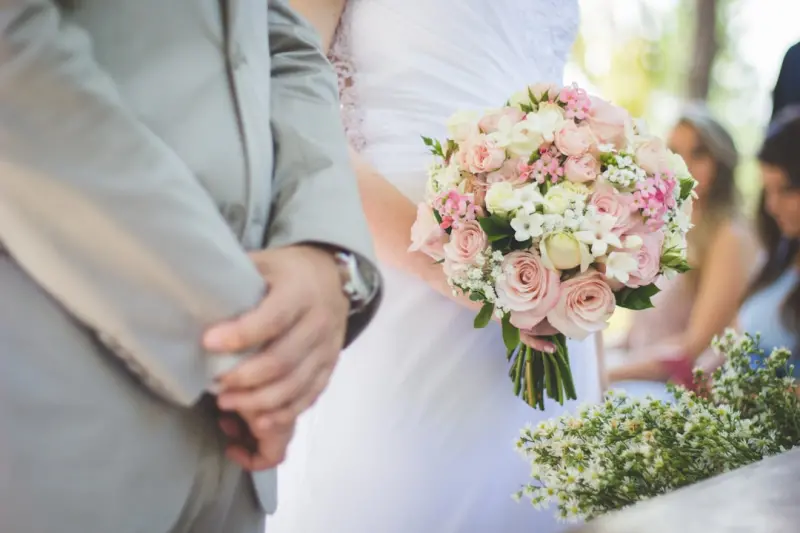
Beyond the Vows: Crafting Immersive Anniversary Journeys for Modern Couples
Explore how to design an anniversary that engages all the senses—scent, sound, light, and touch—... Read More

Hybrid Hearts: Crafting a Seamless In‑Person & Virtual Wedding Experience
A modern wedding isn’t just about the venue; it’s a blend of live ceremony, immersive soundscape... Read More
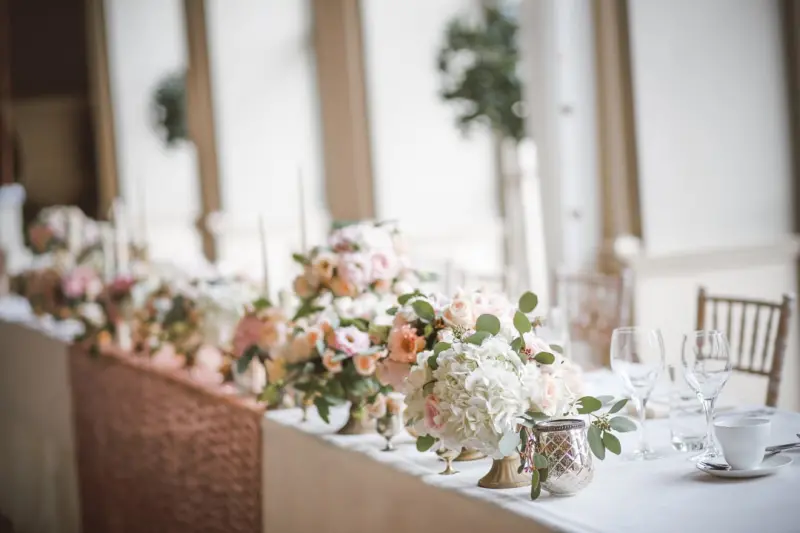
Designing a Wedding Experience That Grows With You
A wedding is more than a single day—it’s the opening chapter of a lifelong story. This guide sho... Read More
Top Posts

Career Mastery in the AI Era: Building a Brand That Stands Out
A practical guide to turning your résumé into a living career story, using AI insights, modular skill building, and strategic visibility to stay ahead in the ...Read More

The Human Factor: How Modern Scams Infiltrate SaaS Workflows and What You Can Do
Scammers are exploiting SaaS workflows with AI‑driven deepfakes, API hijacking, and supply‑chain hacks. This post breaks down the latest tactics and offers ...Read More

Rethinking the Public Square: How Digital Micro‑Communities Are Redefining Civic Life
Micro‑communities are emerging as the new digital public squares, offering intimacy, trust, and localized action while posing challenges of insularity. This p...Read More
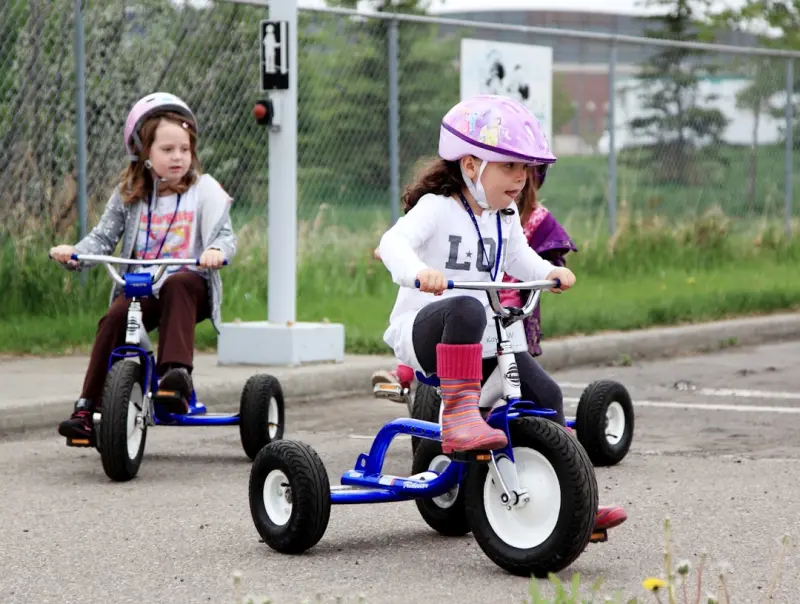
Creating Safe Play Zones: A Modern Parent’s Guide to Child‑Proofing Every Room
Discover a new mindset for child‑proofing: dynamic safety zones, smart tech, and practical drills that let kids explore while staying safe....Read More
0 Comments
Post Comment
You will need to Login or Register to comment on this post!