
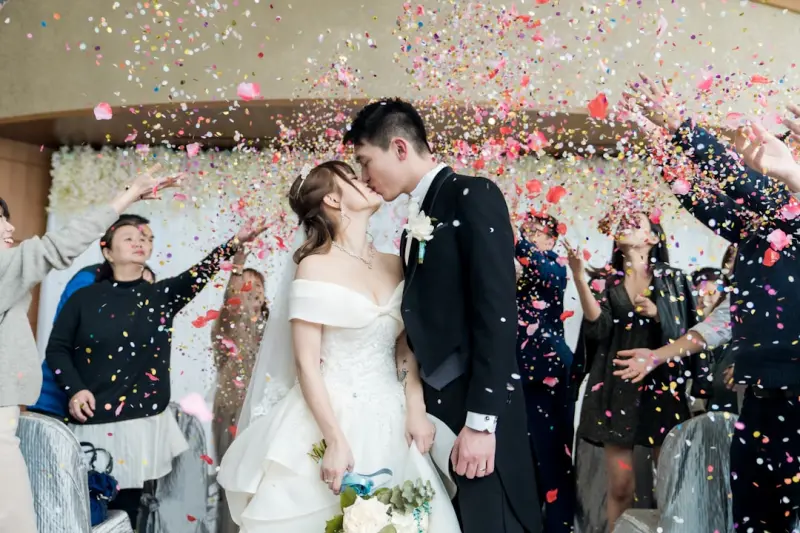
Why a “Story‑First” Wedding Beats a Checklist Every Time
When I first helped my sister plan her wedding, I realized that the typical “to‑do list” approach was missing something essential: the narrative that stitches every detail together. A wedding isn’t just a series of logistics—it’s a living story, a shared memory that will echo through anniversaries for decades. In this post I’m pulling back the curtain on a story‑first methodology that transforms a ceremony from a series of tasks into a heartfelt experience that guests—and the couple—will cherish forever.
The Problem With the Checklist Mentality
Most couples start with a spreadsheet: venue, photographer, catering, flowers, attire. While this is useful, it often leads to a “nice‑but‑generic” affair that feels more like a project deliverable than a celebration of love. The risk is twofold:
- Emotional disconnect. When each element is chosen in isolation, the day can feel disjointed, lacking a unifying thread.
- Memory erosion. Guests remember moments that spark emotions, not the exact brand of napkin rings.
What if we flipped the script? Instead of starting with the logistics, start with the story you want to tell. This shift changes every decision—from venue to playlist—to serve a narrative purpose.
Step 1: Define Your Core Narrative Theme
Every love story has a unique angle: a chance encounter, a shared hobby, a cultural tradition, or a quirky inside joke. Pinpoint the core narrative and write it down in a single sentence. For example:
“Two avid travelers who met on a train in Kyoto, discovering love one destination at a time.”
This sentence becomes the compass for all subsequent choices. It’s not a marketing tagline; it’s the emotional truth that will guide décor, music, and even the ceremony vows.
Step 2: Map the Narrative Journey
Think of your wedding day as a three‑act play:
- Prologue – Arrival. How guests first experience the setting sets the tone.
- Act I – The Celebration. The ceremony and reception where the story unfolds.
- Epilogue – The Memory. The moments that linger after the night ends.
Sketch a brief outline for each act. Ask yourself: What emotion should guests feel at each stage? How can you use lighting, scent, or a surprise element to amplify that feeling? This approach mirrors the narrative loops that keep audiences engaged, but applied to a personal milestone.
Step 3: Choose a Venue That Echoes the Theme
A venue is more than a backdrop; it’s a character. For a travel‑themed story, consider an industrial loft with vintage suitcases stacked as décor, or an outdoor garden that mimics a favorite destination’s landscape. If your narrative revolves around heritage, a historic manor or a family‑owned barn can serve as a tangible link to your roots.
Step 4: Curate Sensory Details That Reinforce the Story
Our brains remember experiences through senses. Here’s how to weave them into the narrative:
- Sight. Use color palettes that reference your theme—deep indigo for night‑time travel, warm terracotta for Mediterranean sunsets.
- Sound. Commission a live band that can play a song from the city where you first met, or create a playlist that follows a “travel itinerary” from start to finish.
- Smell. Incorporate scented candles or essential oils that evoke a particular place—eucalyptus for a coastal vibe, sandalwood for an exotic market.
- Taste. Offer a tasting menu featuring dishes you discovered on your journeys together. Pair each course with a short story card describing the memory behind it.
- Touch. Provide tactile keepsakes—hand‑stitched napkins, custom‑engraved wood coasters—so guests physically engage with the story.
Step 5: Storytelling Through Guest Interaction
When guests become active participants, the narrative deepens. Here are a few low‑budget ideas:
- Memory Wall. Set up a board where friends can pin photos or handwritten notes that recount favorite moments with the couple. This creates a living collage that mirrors the story’s evolution.
- Interactive Map. Place a world map and ask guests to pin the location where they first met the couple or a place they recommend for a future adventure.
- “Story Cards”. Place cards at each table with prompts like “Describe the first time you felt truly alive” and let guests share anecdotes during dinner.
Step 6: The Vows as Narrative Anchors
Traditional vows can feel generic. Rewrite them as narrative anchors that reference shared experiences. Instead of “I promise to love you forever,” try “I promise to keep our passports ready for the next spontaneous trip, just as I did when we booked that last‑minute flight to Reykjavik.” This ties the promise directly to your core story, making it unforgettable.
Step 7: Capture the Story, Not Just the Images
Photography is essential, but the brief should emphasize storytelling. Share your narrative outline with the photographer and ask for “scene‑driven” shots—like a candid moment of the couple laughing while feeding street‑food vendors, or a quiet moment of them looking out over a city skyline. These images become visual chapters that will later populate anniversary albums and social media posts.
Step 8: Extend the Narrative Into the Anniversary
Your wedding story doesn’t have to end when the last dance fades. Plan for anniversary rituals that echo the original narrative:
- Annual “Travel Night”. Choose a new destination each year, cook a themed dinner, and watch a film set there.
- Memory Box. Each anniversary, add a small token (ticket stub, pressed flower, handwritten note) to a box that represents the evolving story.
- Renewal Ceremonies. On milestone years (5, 10, 20), revisit the original venue or recreate a key moment from the wedding day.
These practices keep the story alive, reinforcing the emotional bond and giving future generations a rich tapestry of family heritage.
Step 9: Leverage Technology Thoughtfully
While the focus is on authenticity, technology can enhance the narrative without overwhelming it. Consider a private microsite where guests can upload photos, write reflections, and view a curated timeline of the couple’s journey. This digital “storybook” becomes a living archive that grows each year, and it can be a heartfelt gift on a milestone anniversary.
Step 10: Evaluate and Refine
After the celebration, sit down with your partner and ask: Did the day feel cohesive? Which moments resonated most? Use the feedback to fine‑tune future anniversary plans. This iterative approach mirrors the agile mindset used in product development, proving that even love stories benefit from a little post‑mortem analysis.
Final Thoughts: The Power of a Story‑First Wedding
When you treat your wedding as a narrative rather than a checklist, you create a magnetic experience that pulls guests into the love story you’ve been living. The day becomes a living memory, not a collection of disposable details. By aligning every decision with a core theme, you set the stage for a celebration that not only shines on the day but also fuels a rich tradition of anniversary rituals for years to come.
Ready to craft your own story‑first celebration? Start by writing that one‑sentence narrative, and watch the rest fall into place—just like a well‑written plot twist that leaves the audience cheering.

Sanji Patel has dedicated 25 years to the SEO industry. As an expert SEO consultant for news publishers, he emphasizes providing both technical and editorial SEO services to news publishers worldwide. He frequently speaks at conferences and events globally and offers annual guest lectures at local universities.
Related Posts

Designing a Wedding Experience That Grows With Your Love
A modern wedding isn’t just a day; it’s a living promise. Learn how to turn planning into co‑c... Read More

How to Craft a Hyper‑Personalized Wedding Experience Using Emerging Tech
A modern couple’s guide to using data, immersive experiences, AI‑assisted vows, and eco‑friend... Read More

Wedding Planning in the Digital Age: Navigating Online Safety and Etiquette
Planning a wedding in the digital age? Learn how to navigate online safety and etiquette concerns wi... Read More
Top Posts

Why Your Laptop’s Battery Isn’t the Enemy Anymore
Explore how modern hardware, AI-driven power management, and simple user habits combine to dramatically extend laptop battery life, keeping you productive witho...Read More

The Intersection of Education and Sustainability: A New Era of Environmental Responsibility
The intersection of education and sustainability is critical for creating a more environmentally responsible future. Learn how sustainability education can empo...Read More

Sustainable Travel: How Eco-Friendly Practices are Revolutionizing the Way We Explore
Sustainable travel is about more than just reducing our carbon footprint. It's about respecting local cultures and environments, and supporting businesses that ...Read More

Rethinking the Road: How Real‑Time Data Is Transforming Everyday Driving
Modern cars are now data hubs, using real‑time telemetry, predictive maintenance, and vehicle‑to‑everything communication to enhance safety, efficiency, a...Read More
0 Comments
Post Comment
You will need to Login or Register to comment on this post!