
Recharging the Conversation: How Modern Laptops Are Learning to Conserve Energy
When I first unboxed my ultra‑thin notebook three years ago, I was dazzled by its feather‑light chassis and the promise of “all‑day battery life.” Fast forward to today, and the same laptop still fits in my backpack, but it no longer feels like a sacrificial lamb for the next coffee break. The shift isn’t magic; it’s a convergence of hardware innovations, software intelligence, and a little bit of user mindfulness. In this deep‑dive, I’ll walk you through the silent revolutions that are turning battery anxiety into a thing of the past, and share actionable steps you can take right now to keep your laptop humming longer.
The Hardware Renaissance: From Static Cells to Adaptive Power Modules
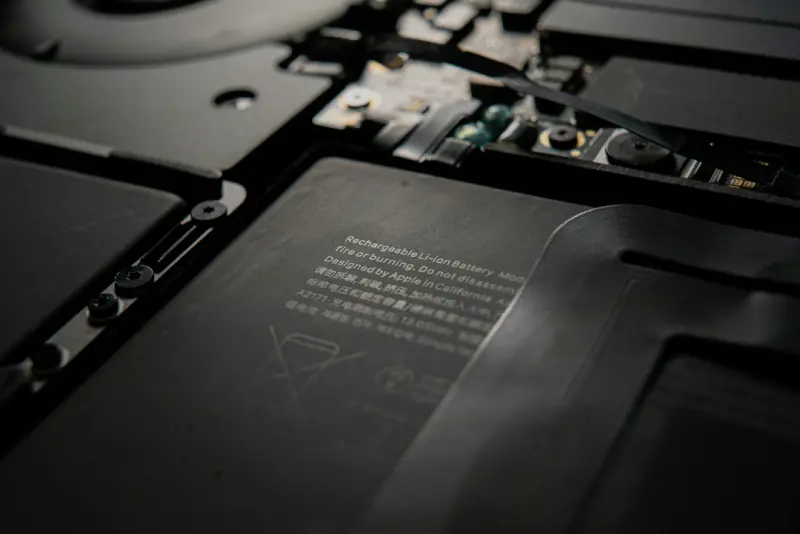
The first breakthrough came from the silicon itself. Modern lithium‑polymer cells now incorporate dynamic voltage scaling, allowing them to adjust their output on the fly based on workload intensity. Manufacturers are also embedding miniature power‑management chips that constantly monitor temperature, charge cycles, and even the ambient lighting conditions of your workspace. These chips can throttle background processes in real time, preserving precious watts for the tasks that truly matter.
But the real game‑changer is the rise of modular battery packs. Instead of a monolithic block, many new laptops feature a detachable battery that can be swapped in seconds. This design not only extends the device’s overall lifespan—by reducing wear on any single cell—but also gives power users the flexibility to carry a spare for those marathon flights or back‑to‑back client meetings.
Software Smarts: AI‑Driven Power Management Gets Personal
Hardware alone can’t solve everything. The real wizardry happens when the operating system learns your habits. Recent OS updates now employ machine‑learning models that predict which apps you’ll open next, pre‑emptively allocating CPU and GPU resources. When you’re drafting an email, the system quietly down‑clocks the graphics engine, reserving power for the next video call. When you switch to a design tool, it flips the switch back, ensuring performance without a noticeable battery drain.
This approach is a far cry from the old “high‑performance vs. power‑saving” toggle that forced users into a binary choice. Instead, the laptop becomes a personalized energy steward, balancing speed and stamina behind the scenes. If you’re skeptical, try enabling the “adaptive battery” feature in your settings and monitor the difference over a week.
Network Efficiency: Why Your Wi‑Fi Habits Matter More Than You Think
Believe it or not, the way you connect to the internet can shave off several percent of battery life each hour. Traditional Wi‑Fi chips constantly ping the router, even when idle, draining the battery with unnecessary radio chatter. The latest standards, such as Wi‑Fi 6E, introduce target wake time (TWT)—a schedule that tells the chip exactly when to wake up and listen for data. By aligning network activity with your actual usage patterns, the laptop reduces idle listening time dramatically.
If you’re still on an older router, consider upgrading or tweaking your device’s power settings. Turning off background sync for cloud storage when you’re on a metered connection can also extend your runtime without compromising data safety.
Thermal Management: Keeping Cool to Keep Going
Heat is the silent battery killer. When a laptop’s internal temperature spikes, the battery chemistry degrades faster, shortening overall capacity. Manufacturers are now embedding heat‑pipe lattices and vapor‑chamber cooling solutions that spread heat more evenly across the chassis. Some premium models even use AI to predict thermal spikes based on running workloads and pre‑emptively ramp up fan speeds just enough to stay cool without becoming a noisy distraction.
For the DIY‑oriented, a simple external step can make a world of difference: use a laptop stand that promotes airflow. Pair it with a modest cooling pad, and you’ll notice not just a cooler machine, but also longer battery runs during intensive tasks like video editing or gaming.
Operating System Tweaks: Fine‑Tuning the Everyday Experience
Beyond the flashy AI features, there are a handful of timeless OS tweaks that remain relevant:
- Disable unnecessary startup programs. Every extra process consumes CPU cycles and, by extension, battery power.
- Adjust screen brightness manually. While adaptive brightness is convenient, it often errs on the side of being too bright.
- Enable “battery saver” modes. Most platforms now offer granular control, allowing you to specify which apps can bypass the saver.
- Turn off Bluetooth and peripheral radios when not in use. Even idle radios draw a trickle of power.
These steps may feel elementary, but when combined, they can add up to an extra 20‑30% of runtime on a typical workday.
Cloud Sync and Data Transfer: Aligning with Sustainable Practices
While we’re on the subject of efficiency, let’s talk about data. Cloud sync services are wonderful for collaboration, yet they can become power hogs if left unchecked. Scheduling sync windows during periods when you’re already plugged in—like overnight or during lunch breaks—prevents unnecessary battery drain. Moreover, compressing files before upload reduces the amount of data transmitted, cutting both bandwidth and power usage.
If you’re curious about how the invisible infrastructure behind cloud services impacts your laptop’s performance, you might want to explore understanding the hidden infrastructure behind cloud services. A clearer picture of data pathways can help you make smarter sync choices.
Security Without Sacrifice: Protecting Your Device While Preserving Power
Security is non‑negotiable, but some protection measures can be power‑intensive. Full‑disk encryption, for instance, adds a modest overhead. However, newer encryption algorithms are designed to be lightweight, especially on devices with dedicated security enclaves. Leveraging these hardware‑based solutions means you get robust protection without the battery penalty.
For teams that manage fleets of laptops, adopting a building a zero‑trust mindset for device security can also streamline updates and reduce the frequency of background scans, indirectly benefiting battery life.
Future‑Facing Features: What to Expect in the Next Generation of Laptops
Looking ahead, several emerging trends promise to push battery endurance even further:
- Graphene‑based supercapacitors. These can charge in minutes and discharge at a steady rate, complementing traditional batteries.
- On‑device AI inference. By processing data locally rather than sending it to the cloud, laptops can cut down on network‑related power consumption.
- Solar‑assisted charging. Some experimental models incorporate low‑intensity solar panels on the lid, providing a trickle charge during daylight hours.
While many of these technologies are still in prototype stages, the trajectory is clear: laptops will become increasingly autonomous, smarter about power, and less dependent on external charging.
Putting It All Together: A Practical 7‑Day Battery Boost Plan
Here’s a concise roadmap you can follow to see real results:
- Day 1: Audit your startup. Use your OS’s task manager to disable non‑essential apps.
- Day 2: Calibrate your screen. Manually set brightness to the lowest comfortable level and turn off adaptive dimming.
- Day 3: Tweak network settings. Enable TWT if your router supports it, and schedule cloud sync for off‑peak hours.
- Day 4: Optimize thermal flow. Invest in a laptop stand and, if needed, a quiet cooling pad.
- Day 5: Enable adaptive power management. Turn on AI‑driven battery saver modes.
- Day 6: Review security settings. Ensure hardware‑based encryption is active and that background security scans run only when plugged in.
- Day 7: Reflect and adjust. Use built-in battery health tools to compare before‑and‑after metrics.
By the end of the week, you should notice a tangible extension in your laptop’s unplugged runtime, plus a cooler, quieter machine.
Final Thoughts: Embrace the Quiet Power Revolution
The narrative around laptops is shifting from “how fast can it go?” to “how intelligently can it stay powered.” As hardware becomes smarter and software more context‑aware, the burden of manual power management is lifting. Yet, the most effective results still come from a partnership between technology and user intent. By understanding the underlying mechanisms—battery chemistry, AI‑driven power policies, network efficiency, and security trade‑offs—you can make informed choices that keep you productive, mobile, and, most importantly, stress‑free.
So the next time you pull your laptop out of the bag, remember: you’re not just carrying a device; you’re wielding a piece of evolving engineering that, with a little attention, can keep pace with your busiest days without demanding constant trips to the charger.

Steph Sanderson is a Toronto-based freelance writer and content creator with a clear passion: crafting compelling articles. With a dedication to clear, engaging prose and a knack for storytelling, Steph brings a wealth of experience to every project.
Related Posts

The Future of PC and Laptop Technology: Sustainable Innovations to Watch
The tech industry is shifting towards sustainability, with PC and laptop manufacturers prioritizing ... Read More

Modular, Silent, and Long‑Lasting: The Next Laptop Evolution
A deep dive into how modular design, ultra‑quiet cooling, and intelligent battery management—pow... Read More

Designing a Future‑Proof PC Workspace: From Processor Choice to Sustainable Practices
A deep dive into selecting components, optimizing battery life, and extending your laptop’s lifesp... Read More
Top Posts

The Blog as a Living Knowledge Engine
Explore fresh strategies for making your blog a living repository of insights, turning readers into collaborators, and using modern tools to sustain momentum....Read More

Transform Your Home into a Productivity Sanctuary Without Breaking the Bank
Learn how to convert any space in your home into a productivity sanctuary with practical lighting, acoustic, airflow, ergonomic, and organization tips that boos...Read More

Online Safety Meets Sustainable Living: A Personal Playbook
A hands‑on, eco‑focused guide that shows how to protect your data, keep kids safe, and adopt sustainable digital habits—all from a seasoned sustainability...Read More

The Experience‑First Revolution: Redefining Content Marketing for Real‑Time Engagement
A fresh take on content marketing that moves beyond static posts to an adaptive ecosystem—leveraging voice search, AI‑generated persona scripts, and interac...Read More
0 Comments
Post Comment
You will need to Login or Register to comment on this post!