

Why Web Design Is No Longer Just About Looks
When I first fell in love with web design, I chased pixel‑perfect layouts and glossy UI kits like a collector hunting rare stamps, but over the past few years my mindset has shifted dramatically; today I see every site as a living ecosystem where performance, ethics, and user empathy intersect. Design decisions now ripple through load times, carbon footprints, and accessibility barriers, turning what used to be a decorative exercise into a strategic imperative that can make or break a brand’s reputation. In this article I’ll walk you through the emerging pillars that are reshaping our craft—voice‑first interfaces, AI‑driven personalization, sustainable coding, and inclusive design systems—while sharing the practical steps I use in my own projects to stay ahead of the curve.
Voice‑First Experiences: Designing for the Ear, Not Just the Eye
The rise of smart speakers and voice assistants has turned our screens into optional companions, and designers must now think in terms of sound, cadence, and conversational flow. I spend hours listening to how people phrase everyday requests, noting the subtle differences in tone between a hurried “Play music” and a calm “What’s the weather like today?”; these insights inform the micro‑scripts I craft for web‑based voice widgets, ensuring they feel natural and trustworthy. To make voice interactions seamless, I adopt a three‑step framework: define clear intents, map out concise responses, and embed fallback prompts that gently guide users back on track, much like a friendly librarian helping a visitor locate a book. By treating voice as a primary navigation layer, we unlock hands‑free experiences that cater to multitaskers, accessibility needs, and the growing demographic of older internet users.
AI‑Powered Personalization Without the Privacy Pitfalls
Artificial intelligence has become the backstage crew that tailors content, layout, and even color palettes to individual visitors, yet the temptation to over‑collect data can erode trust faster than a broken link. In my workflow I rely on turning real‑time social listening into predictive content engines as a case study for ethical data use, extracting only aggregated intent signals while anonymizing user identifiers. The key is to start with a “privacy‑first” mindset: ask yourself whether each data point truly enhances the user journey, then implement consent‑driven prompts that empower visitors to opt‑in to personalization. On the technical side, I integrate lightweight, client‑side machine‑learning models that run in the browser, reducing server calls and keeping user data under their own control. This approach not only respects privacy but also speeds up page rendering, a win‑win for both user experience and SEO.
Building Sustainable Web Sites: Cutting Carbon One Line at a Time
Every kilobyte of code you ship adds to the internet’s energy consumption, and as designers we have a responsibility to trim the digital fat without sacrificing aesthetic appeal. I begin each project with a carbon audit, measuring the emissions of assets like images, fonts, and scripts, then prioritize strategies such as responsive image formats, critical CSS inlining, and lazy‑loading of non‑essential resources. A simple yet powerful technique is to adopt a “design‑for‑dark‑mode‑first” palette; dark backgrounds reduce pixel illumination on OLED screens, shaving off a measurable amount of power per view. Moreover, I champion the use of renewable‑hosted static site generators that serve pre‑built pages from edge locations, dramatically cutting the distance data travels. By documenting these sustainability choices in a public “green‑report,” we also signal to eco‑conscious users that our brand walks the talk, turning responsible design into a competitive advantage.
Design Systems for Distributed Teams: Consistency at Scale
Remote work has turned design systems into the glue that holds fragmented teams together, providing a shared language that transcends time zones and cultural nuances. In my own practice I maintain a living component library hosted on a cloud‑based design platform, where developers can pull ready‑made UI blocks that already adhere to accessibility standards and performance budgets. The system is organized around a set of core principles—modularity, scalability, and documentation—that I revisit quarterly with cross‑functional workshops, ensuring that new features don’t drift into “design debt.” To keep the system flexible, I embed a versioning strategy that allows teams to adopt incremental updates without breaking existing pages, akin to a software release cycle. This disciplined approach not only accelerates delivery but also preserves brand integrity across a sprawling digital footprint.
Inclusive Design: Beyond Compliance to True Belonging
Accessibility guidelines are the baseline, but true inclusivity means anticipating the diverse ways people interact with digital products—from screen readers and braille displays to neurodivergent cognition patterns. I start each design sprint with an empathy map that captures the sensory preferences of users with visual, auditory, and motor challenges, then translate those insights into concrete UI adjustments such as high‑contrast color swaps, keyboard‑only navigation shortcuts, and adjustable animation speeds. To validate my assumptions, I conduct quick remote usability tests with participants using assistive technologies, iterating based on real‑world feedback rather than checklists. By embedding inclusive practices into the very fabric of the design process, we create experiences where everyone feels seen and valued, ultimately expanding our audience and fostering brand loyalty.
Measuring Success: Metrics That Matter for Modern Web Design
Traditional metrics like bounce rate and page views tell only part of the story; we need deeper signals that reflect user delight, sustainability, and accessibility. I combine quantitative data—such as Core Web Vitals, energy usage per session, and assisted navigation success rates—with qualitative insights from short pulse surveys that ask visitors how confident they felt completing tasks. A powerful visualization I use is a “Design Impact Dashboard” that maps these metrics onto a color‑coded heatmap, highlighting areas where performance, carbon emissions, or inclusivity lag behind targets. This holistic view enables stakeholders to prioritize improvements that deliver tangible value, whether that’s shaving 0.2 seconds off load time, reducing server‑side emissions by 15%, or raising the WCAG compliance score to AA+. By framing success in multidimensional terms, we align design goals with broader business and societal objectives.
Future Outlook: The Convergence of AR, VR, and Web Standards
As WebXR standards mature, the line between traditional web design and immersive experiences blurs, opening a new frontier where 3‑D spaces become extensions of our everyday browsers. I’m experimenting with lightweight, WebGL‑based product showcases that let users rotate, scale, and interact with objects without downloading heavyweight plugins, ensuring the experience remains accessible on both desktop and mobile. The challenge lies in balancing visual richness with performance budgets, a dance that requires careful asset optimization and progressive enhancement techniques. Looking ahead, I envision a web where AR overlays provide contextual information—think a virtual guide that appears next to a product description—while still honoring the principles of sustainability and inclusivity we’ve discussed. Embracing these emerging technologies now prepares us to deliver next‑generation experiences without compromising on the values that define responsible design.
Takeaway: Design With Purpose, Not Just Pixels
In the ever‑evolving landscape of web design, the most rewarding projects are those that blend aesthetic flair with ethical stewardship, technological innovation with human empathy. By integrating voice‑first interfaces, AI‑driven personalization, sustainable coding, robust design systems, and inclusive practices, we craft digital spaces that not only look beautiful but also serve the planet and its people responsibly. I invite you to experiment with the strategies outlined here, share your successes and challenges with the community, and together we’ll push the boundaries of what the web can achieve.

In the world of freelance writing, where creativity and adaptability are paramount, Michelle Fisher stands out as a dedicated and versatile professional. With a passion for crafting compelling narratives and a keen eye for detail, Michelle has established herself as a trusted voice.
Related Posts
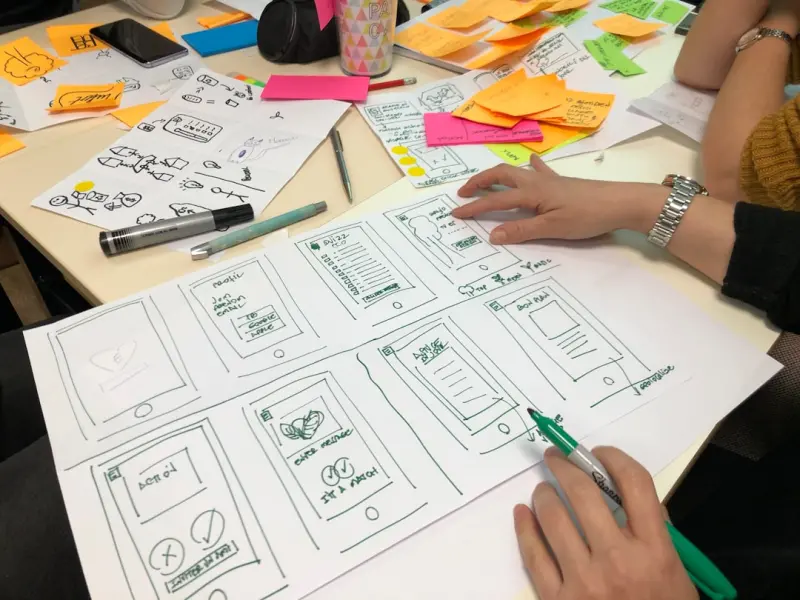
Designing the Future Web: Narrative Micro‑Interactions, AI Artistry, and Voice‑First Experiences
Discover a fresh web design approach that blends storytelling micro‑interactions, AI‑generated a... Read More

Designing for Neurodiversity: A Pragmatic Guide to Inclusive Web Experiences
A deep dive into neurodiverse‑first web design, offering practical principles, UI tweaks, and test... Read More

When Web Design Meets Cognitive Science: Reducing Mental Friction
A deep dive into reducing mental friction on websites, exploring cognitive load theory, practical de... Read More
Top Posts

Beyond the Vows: Crafting Immersive Anniversary Journeys for Modern Couples
Explore how to design an anniversary that engages all the senses—scent, sound, light, and touch—to create a memorable, immersive celebration that tells your...Read More

Playful Planet: How Eco‑Conscious Toys are Re‑Imagining Childhood
Explore the rise of eco‑friendly toys, from renewable materials to modular designs, and learn how mindful choices can transform playtime into a force for envi...Read More
From Billboards to Byte‑Sized Narratives: Rethinking the Media Agency Playbook
A deep dive into how media agencies can thrive by embracing decentralized media buying, data‑first storytelling, and a strategic technology partnership model,...Read More

AI as Your Co‑Pilot: Rethinking Decision‑Making in B2B SaaS
Explore the concept of an AI co‑pilot that augments human judgment, streamlines roadmapping, and embeds ethical guardrails, offering B2B SaaS teams a fresh, d...Read More
0 Comments
Post Comment
You will need to Login or Register to comment on this post!