
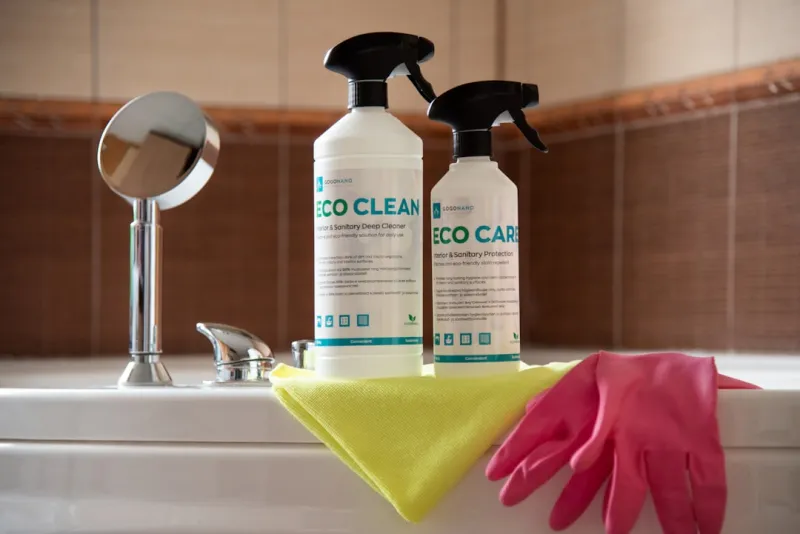
Why Eco-Cleaning Matters in 2024
Every time I reach for a bottle of conventional cleaner, I’m reminded that the chemicals inside are not just invisible stains on my countertops—they’re invisible stains on the planet, leaching into waterways and disrupting ecosystems. The data from the EPA shows that household cleaners contribute to more than 15 % of indoor air pollution, a figure that skyrockets when you factor in the manufacturing footprint of synthetic ingredients. By shifting to eco‑cleaning, we cut that toxic cycle, protect vulnerable wildlife, and create a healthier indoor environment for families, which is why I consider green cleaning a non‑negotiable pillar of modern sustainability.
My Journey: From Chemical Chaos to Green Routine
My own cleaning saga began in a cramped apartment where the smell of bleach was as constant as the Wi‑Fi signal, and I never questioned the cost of that crisp, “clean” scent. A turning point arrived when a friend sent me a link to Gaming Green: Tyler Johnson’s Playful Path to Sustainable Play, showing how gamified habits can reshape daily routines; I realized I could turn my cleaning chores into a rewarding, low‑impact habit loop. Over the past year I’ve replaced thirty‑plus conventional products with plant‑based alternatives, documenting each swap in a journal that now reads like a green manifesto, and the results have been undeniable: lower allergy flare‑ups, brighter surfaces, and a palpable sense of doing the right thing for the earth.
DIY Green Cleaning Recipes That Actually Work
One of the most liberating aspects of eco‑cleaning is the power to concoct effective solutions using pantry staples, turning ordinary vinegar, baking soda, and citrus peels into a trifecta of disinfecting, deodorizing, and polishing agents. For example, a 1‑part white vinegar to 1‑part water spray tackles glass and tile without leaving streaks, while a paste of baking soda and a few drops of essential oil scrubs stubborn stovetop grime without scratching the surface. I’ve also experimented with a lemon‑infused castile soap concentrate that not only cuts grease but leaves a fresh, natural scent that rivals any commercial aerosol, proving that simplicity can beat complexity every time.
Choosing Sustainable Products Without Breaking the Bank
Many skeptics argue that eco‑friendly cleaning supplies come with a premium price tag, yet a strategic approach can flip that narrative and keep your wallet as happy as your conscience. Bulk purchasing of refillable containers reduces packaging waste and per‑unit cost; many community co‑ops now offer refill stations for liquid cleaners, allowing you to top up with biodegradable formulas at a fraction of retail price. Additionally, scanning QR codes on product labels—often linked to transparency reports—helps you verify that a brand truly sources renewable ingredients, ensuring that every dollar spent supports a circular economy rather than a linear, waste‑driven model.
Integrating Tech for Smarter Eco‑Cleaning
Technology isn’t just for gaming or finance; it’s becoming a silent partner in the quest for a greener home, especially when you pair smart sensors with sustainable cleaning routines. I recently installed a low‑energy air quality monitor that alerts me when volatile organic compounds (VOCs) spike, prompting a quick ventilation and a natural cleaning spray instead of reaching for chemical foggers. For those who love data‑driven decisions, the Sustainable Plugin Playbook offers a roadmap to selecting eco‑friendly digital tools that can automate refill reminders and track waste reduction metrics, turning ordinary chores into quantifiable progress toward a zero‑waste household.
Cleaning for Health: The Mental and Physical Payoff
Beyond the obvious environmental benefits, green cleaning has a profound impact on mental well‑being, a connection I explored in depth during my research for Mental Health in 2024: Tyler Johnson’s Sustainable Path to Inner Resilience. When you eliminate harsh chemicals, you reduce respiratory irritants and skin sensitivities, leading to fewer sick days and a calmer mind. Moreover, the ritual of preparing a homemade cleaner—measuring, mixing, and watching it bubble—acts as a mindfulness exercise, anchoring you in the present moment and fostering a sense of agency that counters the anxiety of a fast‑paced digital world.
Community Impact: How Small Changes Multiply
Eco‑cleaning is not just a personal habit; it’s a ripple effect that can reshape neighborhood norms and even influence municipal policies. I started a “Green Cleaning Swap” in my building, where residents exchange homemade recipes and bulk refill containers, cutting collective waste by an estimated 30 % in just six months. This grassroots model caught the eye of the local council, which now pilots a community composting program for used cleaning pads, illustrating how a handful of conscious decisions can spark systemic change. For a broader perspective on this collective momentum, see Society’s Green Pulse, which tracks how everyday eco‑choices are rewriting the future.
Future Trends: AI, Voice, and Eco‑Cleaning
Looking ahead, the intersection of artificial intelligence, voice assistants, and sustainable practices promises to make eco‑cleaning even more intuitive and effective. Imagine a voice‑activated hub that suggests the optimal natural solution based on the stain type, the material being cleaned, and real‑time environmental data such as humidity levels, all while tracking your carbon footprint in a seamless dashboard. Companies are already training AI models to recognize household pollutants and recommend greener alternatives, a trend that will democratize expertise and empower even the busiest households to make environmentally sound choices without sacrificing convenience or performance.

Tyler Johnson is a seasoned freelance writer with a keen eye for detail and a passion for crafting compelling narratives. His years of experience have honed his ability to adapt his style to suit diverse client needs and project requirements.
Related Posts
Eco‑Cleaning Essentials: Steph Sanderson’s Guide to a Greener Home
Steph Sanderson shares her favorite natural cleaning recipes, kid‑friendly tips, and how eco‑cle... Read More
The Power of Eco-Cleaning: A Sustainable Approach to a Healthier Home
Learn how to make a positive impact on the environment with eco-cleaning practices. Discover simple ... Read More
Eco‑Cleaning the Rose DesRochers Way: Sustainable Hacks for a Sparkling Home
Rose DesRochers shares her personal eco‑cleaning journey, from pantry‑based solutions to sustain... Read More
Top Posts

Revolutionizing Home Appliances: How Technology is Changing the Way We Live
Technology is revolutionizing home appliances, making them smarter, more efficient, and more sustainable. Explore the future of smart living and how it's changi...Read More

The Future of Technology: How Sustainable Software Development is Revolutionizing the Industry
Sustainable software development is revolutionizing the industry by prioritizing energy efficiency, reducing waste, and promoting eco-friendly practices. Learn ...Read More

The Impact of Sustainable Practices on the Toy Industry
The toy industry is undergoing a significant transformation, driven by growing demand for sustainable and eco-friendly products. Learn how sustainable practices...Read More

The Intersection of Gaming and Sustainability: A New Era of Environmental Responsibility
The gaming industry has a significant impact on the environment, but gamers can make a difference by supporting eco-friendly game developers and adopting sustai...Read More
0 Comments
Post Comment
You will need to Login or Register to comment on this post!