
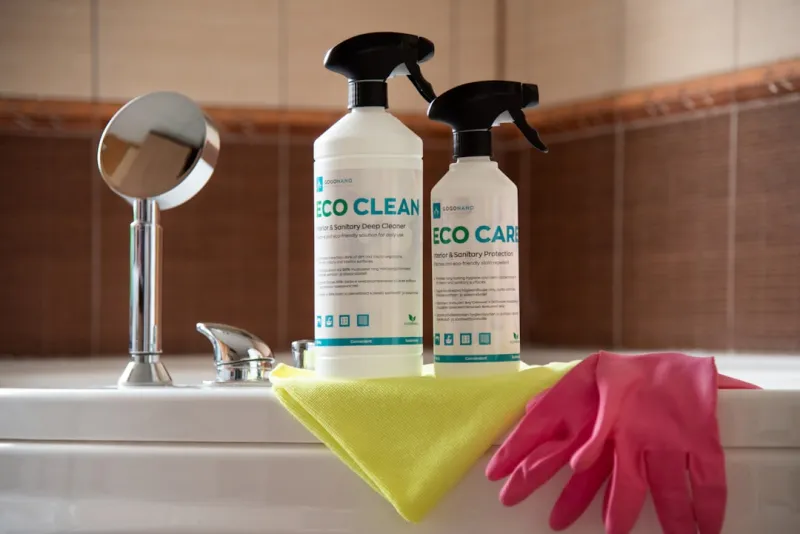
Why Eco‑Cleaning Became My Daily Compass
When I first swapped my commercial sprays for a simple bottle of vinegar and citrus peels, I felt a quiet thrill—like discovering a secret shortcut to a greener world. Eco‑cleaning isn’t just about chemicals; it’s a mindset that aligns my home with the planet’s rhythm. Every time I watch my toddler giggle while we “spritz” the kitchen counters, I’m reminded that sustainable habits start in the smallest of gestures. Over the past year, I’ve woven this practice into my identity, letting it guide everything from grocery trips to digital design, and the ripple effects are astonishing.
The Science Behind Simple Solutions
Most store‑bought cleaners hide a cocktail of surfactants, synthetic fragrances, and preservatives that can linger in indoor air for weeks. Research shows that prolonged exposure can aggravate respiratory issues and disrupt the microbiome of our living spaces. By contrast, a blend of baking soda, lemon juice, and essential oils offers comparable degreasing power without the hidden health costs. I love the tactile satisfaction of seeing grime dissolve under a natural solution—it's a reminder that we don’t need “magic” chemicals to achieve sparkling results. This shift not only protects my family’s wellbeing but also reduces the load of hazardous waste that ends up in landfills.
My Go‑To Eco‑Cleaning Arsenal
Curating a minimalist cleaning kit has been a journey of trial, error, and a lot of scent experiments. My essentials now include:
- White distilled vinegar – the all‑purpose acid that cuts through grease.
- Baking soda – a gentle abrasive for scrubbing stovetops and tubs.
- Citrus peels – frozen in water for a fresh‑scented all‑natural spray.
- Castile soap – a plant‑based base for dishes and hand washing.
- Reusable microfiber cloths – they trap dust better than disposable paper towels.
Each item serves multiple purposes, cutting down on clutter and purchases. I’ve even repurposed old glass jars as spray bottles, giving new life to containers that would otherwise gather dust. The joy of creating a cleaning solution on the spot, knowing it’s safe for my baby’s curious hands, is priceless.
Turning the Kitchen into a Green Lab
The kitchen is where I spend the most time, and it’s also the biggest source of mess. I start by tackling the fridge: a quick wipe with a 1:1 vinegar‑water mix removes spills while neutralizing odors. For stubborn stains on countertops, a paste of baking soda and water works wonders, especially on marble surfaces where harsh chemicals can etch. I also use a diluted essential‑oil spray to freshen up cutting boards—lavender for its antibacterial properties and a calming aroma that subtly influences my cooking mood. By keeping these recipes at hand, I’ve eliminated the need for pricey, single‑use cleaners, and the pantry now feels like a sustainable laboratory where every ingredient has a purpose.
Bathrooms: Spa‑Like Cleanliness Without the Toxins
Transforming a bathroom into a toxin‑free sanctuary was initially daunting, but a few strategic swaps made it effortless. I replace traditional toilet bowl cleaners with a combination of borax and vinegar, letting it sit overnight for maximum impact. For showers, a daily spray of half‑vinegar and half‑water prevents soap scum buildup, meaning I never have to scrub for hours. The real game‑changer, however, is the use of castile soap mixed with a few drops of tea tree oil as a natural disinfectant for sinks and fixtures. Not only does it leave a fresh scent, but it also aligns with my holistic approach to health—my family can breathe easy, and the environment thanks me for the reduced chemical runoff.
Living Rooms and Floors: Dust, Dirt, and Delight
Most households overlook the hidden pollutants that settle on carpets and upholstery. I combat this by vacuuming with a HEPA‑filter machine twice weekly, capturing fine particles that ordinary vacuums release back into the air. After vacuuming, I sprinkle a light layer of baking soda on carpets, let it sit for 15 minutes, then sweep it up to neutralize odors. For wood floors, a simple solution of warm water, a splash of castile soap, and a few drops of orange essential oil restores shine without leaving a residue. The aroma of orange also lifts my spirits, turning a routine chore into a mindful moment of gratitude for the spaces we inhabit.
Kids’ Spaces: Safe Play, Clean Play
Creating a child‑friendly environment means eliminating hidden toxins from toys, furniture, and cleaning products alike. I follow the principles outlined in Raising Green Kids: A Parenting Journey from Diapers to Sustainable Adventures, which emphasizes non‑toxic play areas. I use a diluted solution of vinegar and water to wipe down plastic blocks and wooden puzzles, ensuring they stay germ‑free without exposing my toddler to harsh chemicals. For spills, a quick dab of baking soda followed by a microfiber swipe restores surfaces instantly. Knowing that my cleaning routine protects both the planet and my children’s health gives me peace of mind that no other product can match.
Eco‑Cleaning Beyond the Home: Community Impact
My commitment to green cleaning extends into the neighborhood, where I host monthly “Clean‑Green” workshops. Participants learn to craft their own cleaners, swap refillable containers, and discuss the broader environmental benefits of reduced plastic waste. These gatherings echo the spirit of Cultivating Calm: How Sustainable Living Fuels Mental Health, highlighting how mindful cleaning can reduce stress and foster a sense of purpose. By sharing recipes and success stories, we create a ripple effect—each household that adopts eco‑cleaning practices contributes to a collective reduction in chemical runoff and landfill volume.
Looking Forward: The Future of Sustainable Cleanliness
As I continue to experiment, I’m excited about emerging trends like biodegradable cleaning pods and refill stations at local co‑ops. These innovations promise to further minimize packaging waste while maintaining efficacy. I also keep an eye on digital resources, such as Sustainable Web Design: How I Blend Beauty, Performance, and Planet‑Friendly Practices, which remind me that sustainability is a holistic journey—online and offline. By staying curious and sharing my findings, I hope to inspire more families to see cleaning not as a chore but as an empowering act of stewardship for the Earth.

Steph Sanderson is a Toronto-based freelance writer and content creator with a clear passion: crafting compelling articles. With a dedication to clear, engaging prose and a knack for storytelling, Steph brings a wealth of experience to every project.
Related Posts

Eco‑Cleaning from My Kitchen: Sustainable Hacks for a Healthier Home
Mei Chen shares her personal eco‑cleaning journey, from DIY formulas to reusable tools, offering a... Read More
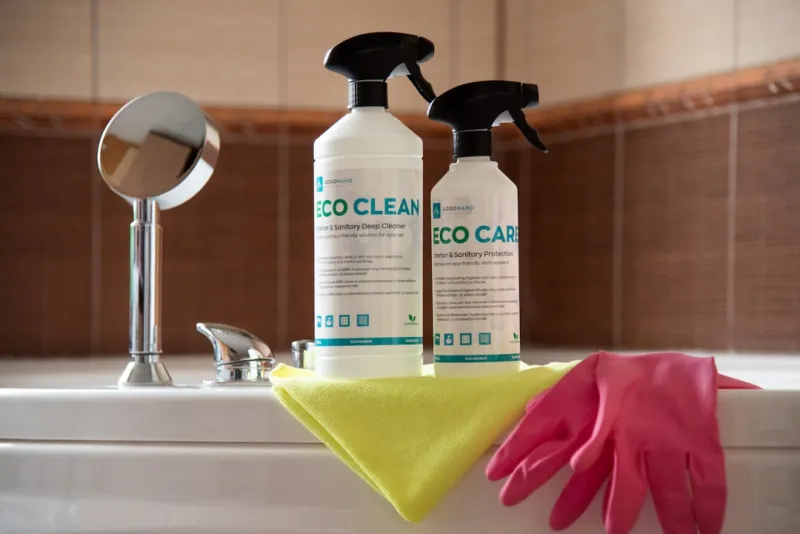
Eco‑Cleaning Unleashed: Paul Flynn’s Blueprint for a Greener Home
Paul Flynn shares his hands‑on eco‑cleaning routine, from kitchen hacks to reusable tools, showi... Read More
The Power of Eco-Cleaning: A Sustainable Approach to a Healthier Home
Learn how to make the switch to eco-cleaning and create a healthier, more sustainable home. Discover... Read More
Top Posts
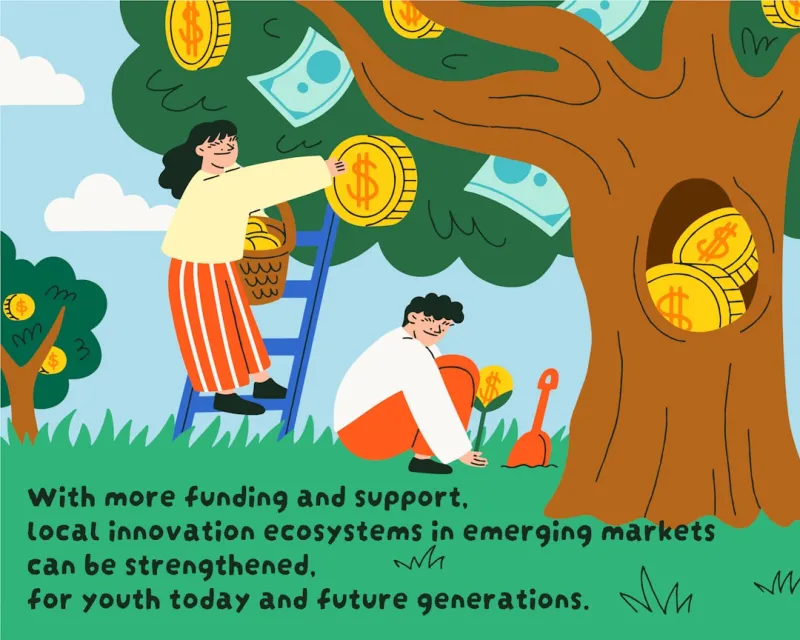
Building a Sustainable Network: How to Create Meaningful Connections in Your Industry
Building a sustainable network is crucial for personal and professional growth. Learn how to create meaningful connections in your industry and build a network ...Read More

Eco-Friendly Home Makeover: Sustainable Decor Ideas for a Greener Space
Create a sustainable home makeover with eco-friendly decor ideas. Discover how to incorporate sustainable materials, lighting, plants, and natural elements into...Read More

The Dark Side of the Digital Age: How Online Safety and Sustainability Intersect
The digital age has brought many benefits, but it also poses significant risks to our online safety and the environment. By exploring the intersection of online...Read More

The Impact of Sustainable Mobile Apps on the Environment
The production and use of mobile apps contribute to e-waste, energy consumption, and carbon emissions. Learn how sustainable mobile app development can reduce e...Read More
0 Comments
Post Comment
You will need to Login or Register to comment on this post!