

Why Sustainability Is No Longer Optional in Web Design
When I first started sketching wireframes on a battered laptop in a coffee‑filled coworking space, the mantra “design is beautiful” felt like the only rule I needed to obey. Fast forward to 2024, and the conversation has shifted dramatically; beauty now walks hand‑in‑hand with responsibility, and every pixel I place carries an environmental weight that I can no longer ignore. My own journey from a freelance designer obsessed with gradients to a practitioner who audits carbon footprints has taught me that the web is a living ecosystem, and designers are the curators of its health. In practice, this means questioning everything from the size of an SVG icon to the server location that hosts a static site, because each kilobyte saved translates into fewer watts burned and a smaller carbon footprint. As I share my process with clients, I emphasize that sustainable design isn’t a trendy add‑on—it’s the new baseline that protects the planet while still delivering the wow factor that users crave.
One of the most exciting revelations in my recent research is how sustainability is weaving itself into the very fabric of design strategy, and the catalyst is often the same tech news that once seemed purely technical. For instance, the article Tech Meets Sustainability: Trends Shaping 2024 highlighted a surge in low‑impact frameworks that prioritize server‑side rendering and static site generation, dramatically reducing the energy required for each page view. What struck me most was the ripple effect: developers adopt greener code, designers respond with lighter assets, and users experience faster load times—creating a virtuous cycle that benefits both the environment and the bottom line. In my own projects, I now begin each design sprint by asking, “Can we achieve the same visual impact with 30 % fewer resources?” That question has become the compass that guides my color choices, animation intensity, and even the decision to replace heavy video backgrounds with subtle CSS effects.
Designing for Performance and Planet
Performance has always been a buzzword in the industry, but its sustainability dimension is finally getting the attention it deserves. A few months ago I dove into Jim Pearse’s deep dive, Web Development in 2024: Jim Pearse’s Blueprint for Sustainable, High‑Performance Code, and the insights reshaped my entire workflow. Pearse argues that the most sustainable code is also the most efficient code, a premise that aligns perfectly with my design philosophy of “less is more, but smarter.” By adopting techniques such as code splitting, lazy loading, and critical CSS inlining, I’ve seen page‑load times drop by nearly half, which directly slashes the energy consumption of each visitor’s device and the data centers serving the content. This performance boost isn’t just a vanity metric; it translates into tangible carbon savings measured in grams per page view, a figure I now track alongside traditional analytics to prove the ROI of green design to skeptical stakeholders.
Beyond raw performance, the aesthetic language of sustainable web design is evolving in ways that feel both fresh and familiar. Earth tones, natural textures, and organic shapes are no longer just decorative trends—they’re visual signifiers of a brand’s commitment to the planet. I’ve started pairing these palettes with micro‑interactions that use CSS variables and native browser animations, avoiding heavyweight JavaScript libraries that bloat the bundle size. The result is a site that feels alive, responsive, and, crucially, light on resources. When I present these concepts to clients, I frame them as “future‑proof branding” that not only resonates with eco‑conscious audiences but also positions the business ahead of regulatory pressures that may soon mandate greener digital practices.
The Aesthetic of Green Web Design
Color, typography, and imagery have always been the cornerstones of my visual storytelling, and today they serve a dual purpose: delighting users and reinforcing sustainability narratives. I’ve found that using a limited color palette—often anchored in muted greens, soft neutrals, and deep blues—not only reduces the need for extensive style sheets but also creates a cohesive brand identity that feels trustworthy and environmentally aware. When it comes to typography, I favor variable fonts that adapt fluidly across devices, cutting down on multiple font file requests and ensuring crisp readability without the overhead of loading several weight files. These choices might seem subtle, but they accumulate into meaningful reductions in page weight, which in turn lower the carbon impact of each visit.
Imagery, traditionally a heavy load on bandwidth, is another arena where designers can make greener choices. I now prioritize modern formats like WebP and AVIF, which deliver comparable visual fidelity at a fraction of the file size of older JPEGs. Moreover, I lean into SVGs for icons and simple illustrations, because they scale without loss and often require far less data than raster images. When I need richer visuals, I employ lazy loading combined with progressive enhancement, ensuring that above‑the‑fold content appears instantly while secondary assets load in the background. By integrating these visual strategies, I create experiences that feel both luxurious and lean, proving that eco‑friendly design does not demand a sacrifice in aesthetics.
Measuring Success and Looking Ahead
As a designer who values data‑driven decisions, I’ve started incorporating carbon‑impact metrics into my regular reporting dashboards. Tools like website carbon calculators now sit alongside Google Analytics, giving me a clear picture of how design tweaks affect the planet. For example, after reducing the size of my hero image by 40 % and switching to a CSS‑only gradient, my site’s estimated emissions dropped from 1.2 g to 0.7 g per page view—a measurable win that I proudly showcase in client presentations. These numbers become compelling storytelling devices, turning abstract sustainability goals into concrete, trackable achievements that align with business KPIs.
The broader industry is also moving in this direction, as evidenced by Google’s Green Evolution: How the Search Giant Is Shaping Sustainable Content, which outlines how search algorithms now reward sites with lower carbon footprints through better rankings. This shift means that sustainable design is not just an ethical choice; it’s a competitive advantage that can drive organic traffic and improve visibility. As I look to the future, I’m excited about emerging standards like the Web Sustainability API, which will allow browsers to report real‑time energy consumption, empowering designers to make on‑the‑fly optimizations. By staying ahead of these trends, I aim to craft digital experiences that are beautiful, fast, and kind to the planet, ensuring that every click we inspire leaves a lighter imprint on Earth.
In closing, the era of “green‑by‑default” web design is upon us, and it invites us to rethink every habit, from the fonts we choose to the servers we deploy. My own practice has transformed from a focus on visual flair alone to a holistic approach that balances aesthetics, performance, and ecological stewardship. I encourage fellow designers to audit their current projects, set measurable carbon targets, and experiment with lightweight frameworks that champion both speed and sustainability. The journey may feel daunting at first, but each incremental improvement compounds, creating a ripple effect that can reshape the digital landscape for generations to come. Let’s design with intention, code with care, and remember that every pixel we place is an opportunity to make the web a greener place.

Lauren Miller is a true outdoors enthusiast who has found her passion in the trades. When she's not working hard on the job, you can find her writing, camping, fishing, and exploring all that nature has to offer. A dedicated partner to her wife Beth, Lauren loves nothing more than spending quality time together and experiencing the great outdoors side by side.
Related Posts
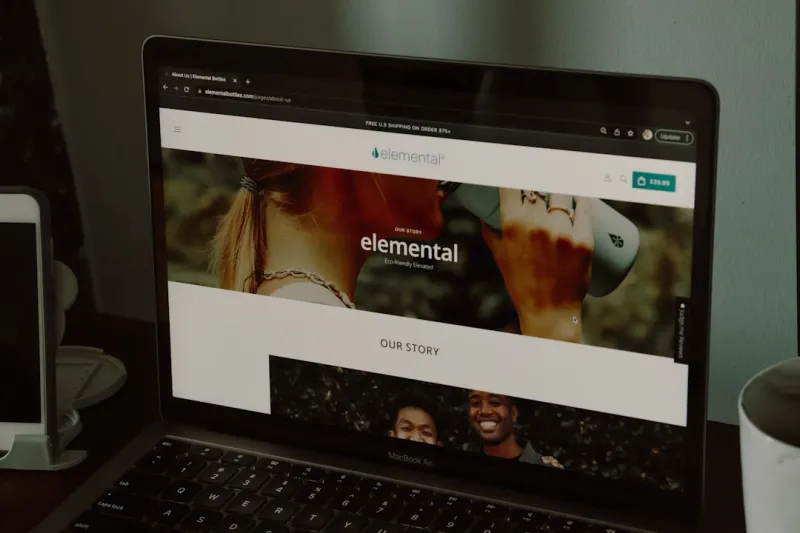
The Evolution of Sustainable Web Design: A New Era of Environmental Responsibility
Sustainable web design is no longer a niche topic; it's a critical aspect of web design. Learn how t... Read More
The Intersection of Web Design and Sustainability: A New Era of Digital Communication
The web has a significant environmental impact, but sustainable web design can help reduce it. Learn... Read More
The Evolution of Sustainable Web Design: A Greener Future for the Digital Landscape
The digital landscape is expanding rapidly, but at what cost? Learn how sustainable web design can r... Read More
Top Posts
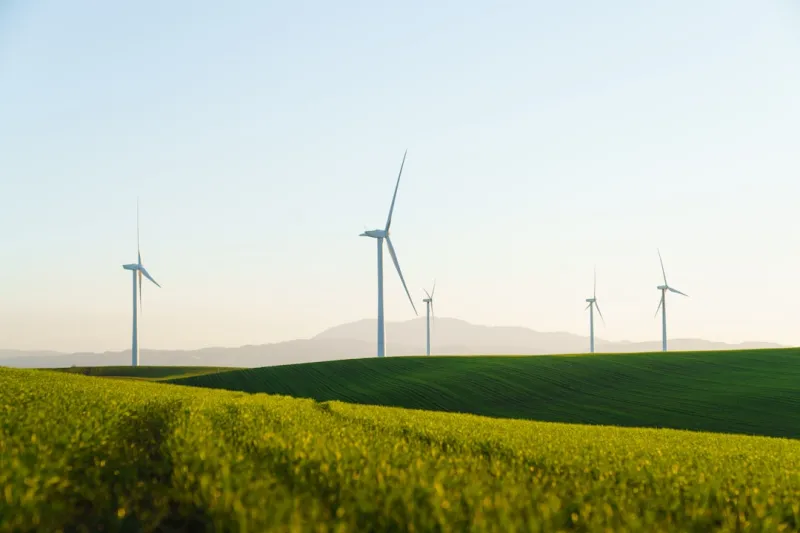
The Future of Energy: How Sustainable Practices are Revolutionizing the Industry
The energy industry is undergoing a significant transformation, driven by the growing demand for renewable energy sources and sustainable practices. Learn more ...Read More
The Power of Sustainable Social Media Marketing
Sustainable social media marketing is a critical component of any business's sustainability strategy. Learn how to create an eco-friendly social media strategy ...Read More

The Evolution of Sustainable Living: A Guide to a Greener Future
Learn how to live more sustainably with our comprehensive guide. From reducing energy consumption to eco-friendly home decor, we've got you covered. Start your ...Read More
Building a Sustainable Brand: A Comprehensive Guide to Eco-Friendly Practices
Building a sustainable brand requires a multifaceted approach, encompassing eco-friendly web development, sustainable design, and effective communication. Learn...Read More
0 Comments
Post Comment
You will need to Login or Register to comment on this post!