
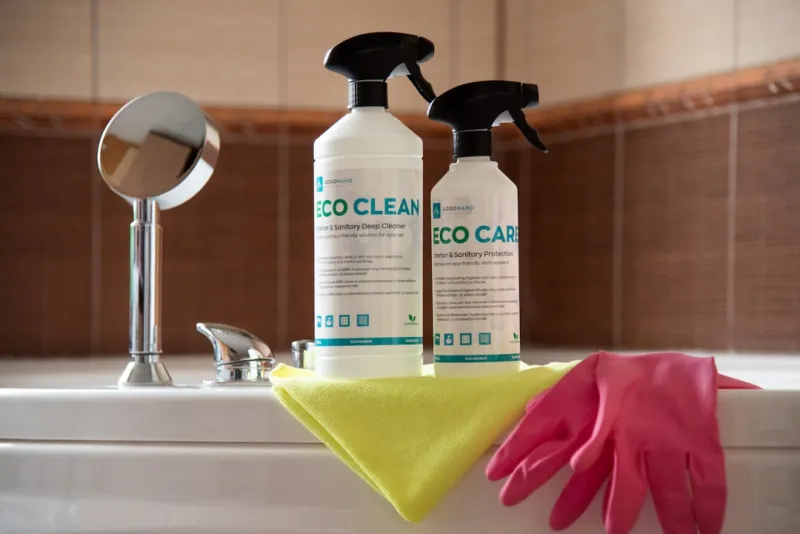
The Green Clean Revolution
Ever since I swapped my first chemical‑laden mop for a simple bucket of warm water and lemon zest, I’ve been on a mission to prove that eco‑cleaning isn’t a compromise but a powerful upgrade for health and planet. I still remember the first time I noticed the faint scent of citrus lingering after a wipe‑down – it felt like a fresh start for my entire living space, and it sparked countless experiments in my tiny apartment kitchen. Now, as a writer and a lifelong skeptic of “quick‑fix” solutions, I’m determined to share the science‑backed habits that have turned my home into a low‑impact sanctuary.
From Kitchen Countertops to Whole‑House Wins
My turning point arrived when I dove into my own Eco‑Cleaning from My Kitchen: Sustainable Hacks for a Healthier Home guide and realized the same ingredients could power everything from bathroom tiles to pet‑friendly floor polish. The simplicity of a vinegar‑water blend, bolstered by a dash of essential oil, surprised me with its versatility and zero‑toxic footprint, prompting me to replace a whole cabinet of pricey, fragrance‑laden products. The shift wasn’t just about cost savings; it was a statement that my daily routines could align with the broader climate goals I champion in my writing.
Core Principles of Eco‑Cleaning
Before you toss your favorite spray bottle, consider these three pillars that keep my cleaning regimen both effective and earth‑friendly:
- Ingredient Transparency – Know exactly what’s in your bottle; avoid anything with phosphates or synthetic fragrances.
- Concentration Over Quantity – Small amounts of potent natural acids or bases can outperform a gallon of commercial cleaner.
- Reusable Tools – Micro‑fiber cloths, bamboo scrubbers, and silicone squeegees cut waste dramatically.
By adhering to these guidelines, I’ve cut my household chemical load by over 80% while still achieving a sparkle that would make any conventional brand jealous.
Ingredient Spotlight: Vinegar and Baking Soda
Vinegar, a humble fermented liquid, packs a punch against grime, mineral buildup, and even mold, thanks to its acetic acid content, which gently breaks down stubborn residues without corroding surfaces. Pairing it with baking soda, a mild abrasive and natural deodorizer, creates a fizzy reaction that lifts dirt from grout, unclogs drains, and leaves a fresh, chemical‑free scent. The real magic, however, lies in timing – I let the vinegar soak for five minutes before sprinkling baking soda, allowing the bubbles to work their way into crevices for a deep clean that feels almost therapeutic.
Tools That Respect the Planet
Switching to reusable cleaning tools was a game‑changer; my microfiber cloths capture up to 99% of dirt and bacteria, reducing the need for disposable paper towels that end up in landfills. I also invested in a sturdy bamboo scrub brush, which biodegrades in a fraction of the time it takes a plastic counterpart to decompose. For glass and mirrors, a simple mixture of distilled water and a few drops of plant‑based soap applied with a lint‑free cloth leaves a streak‑free shine without the harsh ammonia that can irritate both lungs and eyes.
Eco‑Cleaning Meets Sustainable Content Creation
As a content creator, I’ve realized that the principles of eco‑cleaning extend far beyond the physical space and into the digital realm, where Why Sustainable Blogging Is the Next Big Wave for Creators highlights the synergy between green practices and responsible storytelling. By opting for carbon‑neutral hosting, limiting image sizes, and recycling old blog posts into fresh, evergreen content, I reduce my site’s carbon footprint while still delivering value to readers. This holistic approach mirrors the ethos of cleaning – eliminate waste, reuse resources, and always aim for a healthier environment, whether that’s a countertop or a content strategy.
Integrating Eco‑Cleaning Into a Busy Schedule
Time is a scarce commodity, especially for freelancers juggling deadlines and client calls, so I’ve built a 15‑minute “quick‑green‑clean” ritual into my morning routine. I start with the kitchen sink, spraying a vinegar solution and letting it sit while I brew coffee; then I whisk through the bathroom with a baking‑soda paste, rinsing with warm water before the steam dries. This disciplined, bite‑sized approach ensures that I never let grime accumulate, keeping my home—and my mind—clear and focused for the day’s creative challenges.
Debunking Common Myths
Many still argue that eco‑cleaning is less effective, but research shows that natural acids can match, if not surpass, the performance of many synthetic detergents, especially when paired with mechanical action from quality tools. Another myth suggests that green products are prohibitively expensive; however, a single bottle of distilled white vinegar costs less than a premium commercial cleaner and lasts for months. Finally, the notion that eco‑cleaning is only for the “eco‑obsessed” is outdated – it’s a practical, inclusive strategy that anyone can adopt, regardless of budget or lifestyle.
Take the First Step Today
If you’re ready to transform your cleaning routine into a low‑impact, high‑reward practice, start simple: replace one conventional spray with a vinegar‑water mix and watch the difference in both scent and surface health. Share your successes on social media using #GreenCleanPaul, and let’s build a community that celebrates small wins that add up to massive planetary benefits. Remember, every drop of eco‑friendly cleaner is a vote for a cleaner future, and together we can rewrite the story of household maintenance, one mindful swipe at a time.

Paul Flynn is a versatile freelance writer equipped with a diverse skillset and a portfolio that reflects his wide-ranging interests and expertise. From crafting compelling website copy and engaging blog posts to delivering in-depth articles and meticulously researched reports, Flynn demonstrates a remarkable ability to adapt his writing style to suit various audiences and purposes.
Related Posts
The Power of Eco-Cleaning: A Sustainable Approach to a Healthier Home
Learn how to make the switch to eco-cleaning and create a healthier, more sustainable home. Discover... Read More
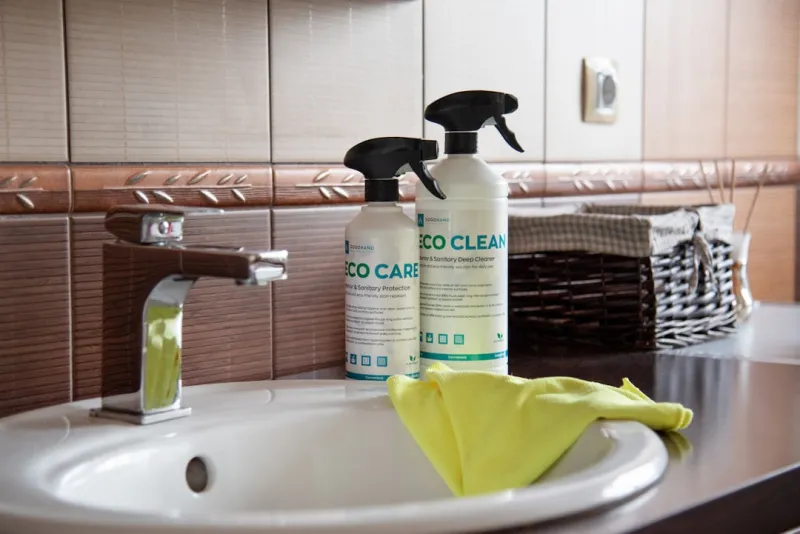
The Evolution of Eco-Cleaning: A Greener Approach to a Healthier Home
Eco-cleaning is a powerful way to create a healthier and more sustainable home environment. Learn ab... Read More
Eco‑Cleaning the Rose DesRochers Way: Sustainable Hacks for a Sparkling Home
Rose DesRochers shares her personal eco‑cleaning journey, from pantry‑based solutions to sustain... Read More
Top Posts

Building a Sustainable Network: The Key to Long-Term Success
Building a sustainable network requires effort, dedication, and a commitment to sustainable practices. Learn how to create a community that is truly sustainable...Read More

My Journey to a Healthier, Greener Life: Lessons from the Frontlines
Jody Henderson shares her personal path to combining holistic health with sustainable living, offering actionable tips on nutrition, movement, sleep, and eco‑...Read More

The Power of Networking in the Digital Age
Learn how to harness the power of networking in the digital age to connect with others, share ideas, and collaborate on projects to achieve your goals....Read More

The Evolution of Software Development: Trends and Innovations
The software development landscape is rapidly evolving, driven by technological advancements, changing user needs, and new business models. Stay informed about ...Read More
0 Comments
Post Comment
You will need to Login or Register to comment on this post!