
Why Eco‑Conscious Gifting Is the Smart Business Move You’ve Been Missing
When I first walked into a conference hall and saw a table piled with glossy, mass‑produced swag, I felt a pang of déjà vu. The same old pens, mugs, and tote bags—each one a tiny carbon whisper that got lost in the noise. Over the years, I’ve watched the corporate gifting landscape shift from “more is better” to “meaning matters.” Today, the conversation is no longer about the size of the package; it’s about the story it tells, the impact it leaves, and the values it amplifies.
The Hidden Cost of Traditional Corporate Gifts
Most companies still treat gifts as a transactional afterthought—something to fill a calendar slot or to check a box in a budget line. The hidden cost of this approach is two‑fold:
- Environmental Waste: Single‑use items end up in landfills, often before the recipient has even opened them.
- Brand Dilution: A generic gift can feel like a marketing stunt, eroding trust rather than building it.
When you add the increasing scrutiny from clients, partners, and even employees who expect their business relationships to reflect responsible practices, the old gifting playbook just doesn’t cut it.
From Gimmick to Strategy: Re‑imagining Corporate Gifting
To turn gifting from a gimmick into a strategic asset, I follow three guiding principles that keep the focus on impact, relevance, and authenticity:
- Align the gift with core brand values. If your company champions innovation, consider a gift that encourages creativity—a DIY electronics kit, for example.
- Prioritize low‑impact materials. Recycled paper, plant‑based plastics, or upcycled fabrics can convey a message of stewardship.
- Make the experience personal, not generic. Leverage data (in a privacy‑first way) to tailor the gift to the recipient’s preferences without crossing the line into invasive.
Building an Eco‑Friendly Gift Ecosystem
The shift toward eco‑conscious gifting isn’t just a nice‑to‑have trend; it’s becoming a measurable business advantage. Below is a step‑by‑step framework I’ve refined while consulting with mid‑size SaaS firms:
1. Conduct a “Gift Carbon Footprint” Audit
Start by cataloguing every item you currently send out. For each product, estimate the embodied carbon—production, packaging, shipping, and end‑of‑life. Tools like the green SaaS design guide can help you translate those numbers into actionable insights.
2. Source Circular Suppliers
Look for vendors that operate on a closed‑loop model. Some companies now offer “take‑back” programs where the recipient can return the item for refurbishment or recycling. This creates a continuous loop, turning a one‑time gift into a recurring brand touchpoint.
3. Add a Storytelling Layer
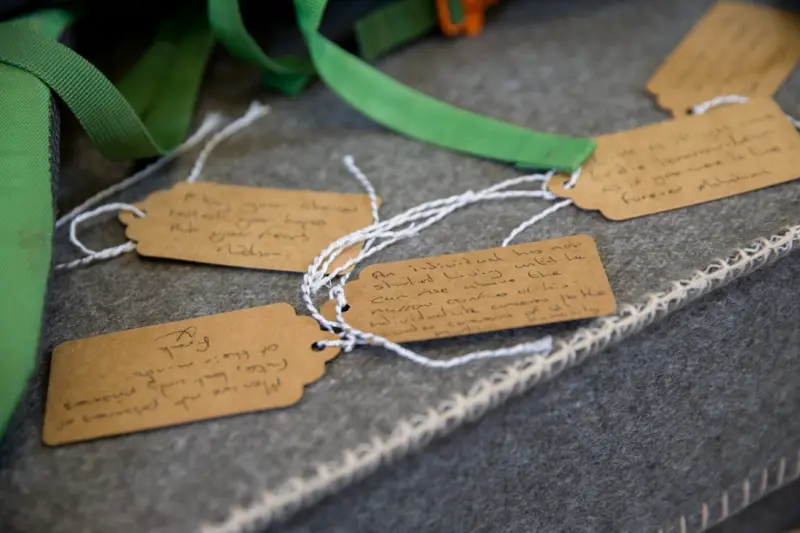
Every sustainable gift should come with a brief, compelling narrative. A small card that explains how the material was sourced, the carbon saved, or the local artisans involved turns a static object into a conversation starter.
4. Leverage Digital Enhancements—Sparingly
While the core of our approach is low‑impact physical items, a subtle digital element can amplify the impact without adding waste. Think of a QR code that unlocks a short video about the product’s lifecycle. This is where blended gifting ideas can be borrowed for inspiration, but the focus remains on the tangible, earth‑friendly element.
5. Track and Iterate
Use lightweight surveys or post‑gift follow‑ups to gauge recipient sentiment. Ask questions like, “Did the gift align with your values?” and “What could we improve?” Feed those insights back into the next gifting cycle.
Case Study: Turning a Routine Thank‑You into a Green Brand Moment
A SaaS startup I partnered with traditionally sent out branded notebooks to its top 100 customers each quarter. After the audit, we discovered the notebooks contributed roughly 12 kg of CO₂ per batch. By swapping to a recycled‑paper notebook made with soy‑based ink and adding a plantable seed paper bookmark, the company cut its carbon output by 70 %.
Beyond the numbers, the feedback was striking. Recipients wrote, “I love that you care about the planet,” and the startup saw a 15 % uptick in renewal conversations in the following quarter. The modest change in material translated into a measurable boost in brand perception.
Beyond the Gift: Embedding Eco‑Values Across the Customer Journey
Gifts should be the first touchpoint of a broader, values‑driven narrative. Here are three ways to extend the sustainability message:
- Onboarding Kits: Replace standard welcome packets with reusable tote bags filled with digital resources and a seed‑paper welcome note.
- Renewal Rewards: Offer carbon‑offset credits as a renewal incentive, letting clients see their impact in real time.
- Community Spotlights: Highlight partners or customers who adopt green practices in your newsletter, turning them into ambassadors for the cause.
When the gift becomes the gateway to a larger ecosystem of responsible practices, it no longer feels like an isolated act—it becomes a catalyst for cultural shift.
The Business Case: ROI of Sustainable Gifting
It’s easy to assume eco‑friendly initiatives inflate costs, but the ROI often tells a different story. Consider these three financial levers:
- Reduced Waste Management Costs: By choosing recyclable or compostable packaging, you lower disposal fees.
- Higher Conversion Rates: Studies show consumers are 4‑5 times more likely to purchase from brands that demonstrate environmental stewardship.
- Employee Engagement: Teams feel prouder when their employer’s gifting reflects shared values, leading to lower turnover and higher morale.
When you layer these benefits, the net gain can outweigh the modest price premium of greener materials.
Practical Tips for Getting Started Right Now
Don’t wait for a perfect moment; the perfect moment is now. Here’s a quick‑start checklist you can implement this week:
- Identify one existing gift item to replace with an eco‑friendly alternative.
- Reach out to at least two circular‑economy suppliers for quotes.
- Draft a one‑sentence story that will accompany the new gift.
- Set up a simple feedback loop using a Google Form or brief email survey.
Even a single substitution can generate momentum, and the data you collect will guide your next iteration.
Looking Ahead: The Future of Thoughtful, Low‑Impact Gifting
As climate concerns become a boardroom priority, I foresee three emerging trends that will shape how we give:
- Regenerative Packaging: Materials that not only avoid harm but actively improve soil health when composted.
- AI‑Curated Personalization (Ethically Managed): Using anonymized data to match gifts with individual interests while respecting privacy.
- Gift‑as‑Service Models: Subscription‑based gifting where items are returned, refreshed, and reused on a cycle, dramatically reducing waste.
These developments will turn gifting from a static exchange into a dynamic, value‑adding relationship—one that aligns profit with purpose.
Final Thoughts: Make Your Gifts Speak Louder Than Words
When a recipient opens a thoughtfully designed, low‑impact gift, they aren’t just seeing a logo; they’re feeling a commitment. That feeling lingers far longer than the brief novelty of a plastic pen. By weaving sustainability into the very fabric of your gifting strategy, you turn a simple gesture into a powerful brand statement—one that resonates with clients, partners, and employees alike.

Karen Edwards is a seasoned freelance writer with a passion for all things furry, feathered, and scaled. With a dedicated focus on pets, she brings a wealth of knowledge and a keen eye for detail to her writing.
Related Posts

The Gift Playbook: Personalization, Experience, and Purpose for Modern Teams
Traditional corporate gifts are losing impact. This guide reveals a three‑pillar approach—person... Read More

The Art of Mindful Gifting: How to Choose Presents That Truly Connect
Explore the rise of sustainable gifting, experience‑based presents, and creative wrapping ideas th... Read More

Beyond the Box: Experience‑Driven Gifts That Keep on Giving
Experience‑driven gifts replace static tokens with personalized learning, wellness, and co‑creat... Read More
Top Posts

Playful Planet: How Eco‑Conscious Toys are Re‑Imagining Childhood
Explore the rise of eco‑friendly toys, from renewable materials to modular designs, and learn how mindful choices can transform playtime into a force for envi...Read More

Data‑Driven Coaching: The Future of Amateur Sports
A deep dive into how wearable tech, AI intent mapping, real‑time fan sentiment analysis, and observability stacks are revolutionizing grassroots sports, empow...Read More

AI‑Driven SEO: From Keywords to Knowledge Graphs
SEO has evolved beyond keyword stuffing. In this deep dive, Karen Edwards explains how AI, structured data, and an observability mindset can transform your SaaS...Read More

The Hidden Carbon Cost of Data: How to Shrink Your Digital Footprint
Discover how data storage, processing, and streaming inflate carbon emissions, and learn practical, low‑effort tactics to reduce your digital footprint withou...Read More
0 Comments
Post Comment
You will need to Login or Register to comment on this post!