
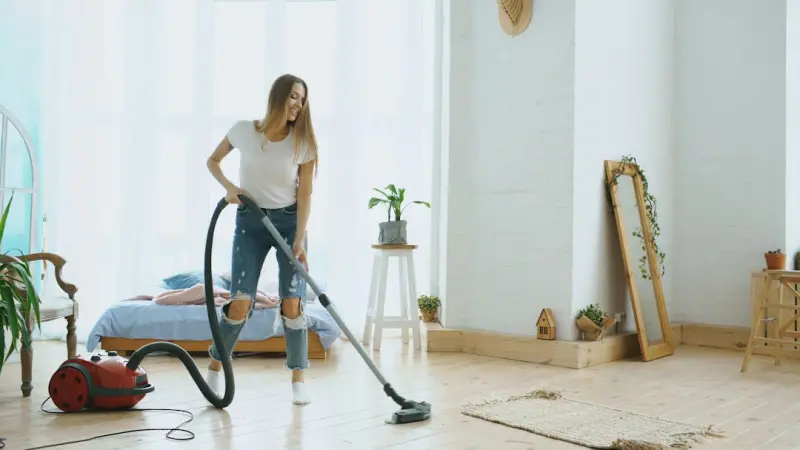
Why Our Everyday Scrub‑Down Needs a Rethink
When I first swapped my kitchen sponge for a reusable bamboo brush, I felt like I’d uncovered a secret that most households overlook: the sheer scale of chemical runoff that originates from our daily cleaning rituals. Every bottle of spray, every scented powder, and even that “quick‑fix” disinfectant carries a cocktail of synthetics that eventually slip past our drains and into waterways, where they can linger for years.
What’s surprising is how little conversation there is about the cleaning side of the environmental puzzle. We hear endless chatter about recycling, renewable energy, and low‑waste fashion, but the act of wiping a countertop rarely makes the headline. Yet, the cumulative impact of those tiny, routine actions is anything but tiny.
The Hidden Cost of Conventional Cleaners
Most store‑bought cleaners are formulated for convenience, not for the planet. They often contain:
- Phosphates that promote algal blooms in rivers.
- Volatile organic compounds (VOCs) that contribute to indoor air pollution.
- Non‑biodegradable surfactants that accumulate in sediments.
Beyond the chemistry, the packaging tells its own story. A single 32‑oz bottle of all‑purpose spray typically uses a non‑recyclable plastic that sits in landfills for centuries. Multiply that by the average family’s consumption—and you have a substantial waste stream that rarely gets accounted for.
Decoding the Chemistry: What Makes a Cleaner Truly Eco‑Friendly?
Not all “natural” labels are created equal. A truly sustainable cleaner should meet three criteria:
- Biodegradability: Ingredients that break down into harmless substances within weeks, not decades.
- Low Toxicity: Formulations that are safe for humans, pets, and aquatic life.
- Minimal Packaging Footprint: Products that either come in refillable containers or use post‑consumer recycled material.
Ingredients such as citric acid, baking soda, and plant‑based surfactants (often derived from coconut or corn) meet these standards and are surprisingly effective when paired correctly.
DIY Recipes That Don’t Feel Like a Science Experiment
Creating your own cleaning solutions can be as simple as mixing pantry staples. Here are three go‑to recipes that cover most household surfaces:
1. All‑Purpose Spritz
- 1 cup distilled water
- 1/2 cup white vinegar
- 10‑15 drops of citrus essential oil (for scent and extra grease‑cutting power)
Combine in a spray bottle, shake, and you have a surface cleaner that works on countertops, tile, and even glass.
2. Heavy‑Duty Degreaser
- 1/2 cup baking soda
- 1/4 cup liquid castile soap
- Warm water to a 500‑ml bottle
Apply to stovetops or greasy oven trays, let sit for five minutes, then scrub with a non‑abrasive pad. The mild alkali of baking soda tackles burnt‑on residue without harsh chemicals.
3. Fresh‑Scent Laundry Boost
- 1/2 cup washing soda
- 10 drops lavender essential oil
- Optional: 1/4 cup baking soda for extra freshness
Add the blend to the drum before starting a cycle. It helps soften water, lift stains, and leaves fabrics smelling naturally clean.
These recipes not only cut down on plastic waste but also empower you to know exactly what’s entering your home’s air and water.
Refill Stations: The Quiet Revolution in Kitchen Cabinets
In the past few years, a handful of forward‑thinking retailers have introduced refill stations for everyday cleaners. Instead of grabbing a brand‑new bottle each time, you simply top up a sturdy, reusable container. The benefits are threefold:
- Reduced single‑use plastic: One reusable bottle can replace dozens of disposable ones.
- Lower carbon footprint: Shipping lighter, bulk containers consumes less fuel.
- Cost savings: Refills are typically 30‑50% cheaper than pre‑packaged versions.
If your local store doesn’t yet offer a refill corner, consider starting a community “swap‑and‑top‑up” day where neighbors bring in their empty containers and share bulk cleaners purchased online.
Community Cleaning Hubs: Turning Neighborhoods into Sustainable Spaces
Imagine a small, neighborhood‑run hub where residents can access shared cleaning tools—like industrial‑grade vacuum cleaners, steam mops, and refillable detergent dispensers. Such hubs accomplish several goals:
- They democratize access to high‑quality equipment that many households can’t afford individually.
- They encourage collective responsibility for local water quality, as users become more aware of the chemicals they’re introducing.
- They foster a sense of community stewardship, turning routine chores into shared environmental actions.
Launching a hub can start with a single garage or community center. Partner with local eco‑stores, advertise via neighborhood newsletters, and set up a simple membership model to cover maintenance costs.
Tech‑Enabled Eco‑Cleaning: When Data Meets the Mop
While the term “tech” often conjures images of complex software platforms, it also includes the smart sensors now embedded in everyday cleaning tools. For instance, certain vacuum models track usage patterns and alert you when filter replacements are truly needed—preventing premature waste.
If you’re curious about the broader sustainability tech landscape, you might want to read about large‑scale sustainability initiatives. The same principles that guide massive data‑intensive operations are being miniaturized for household appliances, ensuring that efficiency gains cascade from the server room down to the bathroom sink.
From “One‑Off” to “Looped”: Rethinking Product Lifecycles
Many cleaning brands are experimenting with resource‑loop models, where product packaging is designed for infinite reuse. Think of a stainless‑steel bottle that can be returned, sterilized, and refilled endlessly. While this concept is still emerging, it mirrors the explore resource‑loop strategies seen in other industries.
The key takeaway for consumers is to prioritize brands that openly disclose their take‑back or refill programs, even if they’re not yet mainstream. Early adopters help create the market pressure needed for wider adoption.
Practical Tips to Embed Eco‑Cleaning Into Daily Life
- Audit Your Cabinets: Pull out every cleaner, note the active ingredients, and replace the most harmful ones with DIY alternatives.
- Standardize Reusable Bottles: Keep a set of 1‑liter amber glass bottles on hand for all liquid cleaners; the uniform size simplifies refilling.
- Schedule a “Refill Day”: Once a month, visit your local refill station or order bulk concentrates online to keep your reusable containers topped up.
- Educate Household Members: Show kids (and adults) how to measure ingredients safely; the ritual itself reinforces mindful consumption.
- Leverage Smart Tools: Use sensors or app‑connected devices that remind you when it’s time to replace a filter, not a few weeks early.
- Connect With Neighbors: Organize a quarterly “clean‑swap” where everyone brings spare cleaning tools or leftover concentrates to exchange.
The Ripple Effect: Cleaner Homes, Cleaner Communities
When each household reduces its chemical load, the downstream impact is felt in municipal water treatment facilities, local wildlife health, and even the taste of tap water. It’s a cascade of positive change that starts with something as simple as swapping a synthetic spray for a vinegar‑based mixture.
Moreover, the shift toward refillable containers and community hubs creates new economic opportunities—from local entrepreneurs running refill stations to startups designing modular cleaning devices that can be upgraded rather than discarded.
Looking Ahead: A Future Where Cleaning Is a Celebration of Resources
Picture a world where the act of cleaning feels like a ritual of gratitude rather than a chore that drains the planet. Where your bathroom shelf holds sleek, refill‑ready bottles, and your neighborhood hub buzzes with shared tools that have been used responsibly for years. That future isn’t a distant utopia; it’s emerging today, driven by conscious consumers, innovative brands, and a growing body of research on low‑impact chemistry.
By taking even a few of the steps outlined above—mixing a simple DIY spray, supporting refill stations, or joining a community hub—you become part of a larger movement that redefines how we maintain the spaces we live in. The next time you reach for a cleaning product, pause, consider the lifecycle, and choose the option that honors the planet as much as it cleans your home.

When it comes to the world of blogging and writing, Rose DesRochers is a name that stands out. Her passion for creating quality content and connecting with her audience has made her a trusted voice in the industry. Aside from her skills as a writer and blogger, Rose is also known for her compassionate nature.
Related Posts
Revolutionizing Everyday Clean: The Data‑Driven Path to Zero‑Waste Home Care
A step‑by‑step guide shows how to replace disposable cleaners with plant‑based concentrates, s... Read More

Green Chemistry at Home: Crafting Your Own Eco‑Cleaning Arsenal
A hands‑on guide to replacing chemical cleaners with DIY, plant‑based formulas, complete with re... Read More

Green Clean, Lean Operations: A Pragmatic Guide to Eco‑Cleaning in Modern Workspaces
A practical, data‑focused guide shows how plant‑based cleaners, measurable metrics, and sensory ... Read More
Top Posts

Edge‑First Internet: Why Your SaaS Should Move Beyond the Cloud
Edge computing is redefining how SaaS platforms deliver speed, privacy, and cost savings. This guide explains the drivers, real‑world use cases, and a step‑...Read More

The Silent Revolution: How Mobile Health Apps Are Redefining Personal Wellness
Explore the rise of AI‑driven health apps, their seamless wearable integration, community features, and ethical design—changing how we manage personal welln...Read More

How Google’s AI Copilots Are Quietly Redefining SaaS Teamwork
Discover how Google’s generative AI tools, embedded via low‑code platforms, are reshaping collaboration, support, and product development for SaaS companies...Read More

Social Listening as a Live Product Roadmap: Turning Every Mention into a Feature
Learn how to transform social media chatter into a live product roadmap. This guide walks you through the mindset shift, tech stack, workflow, and metrics to tu...Read More
0 Comments
Post Comment
You will need to Login or Register to comment on this post!