
Why Edge Intelligence Is the New Engine Behind Modern Industrial Products
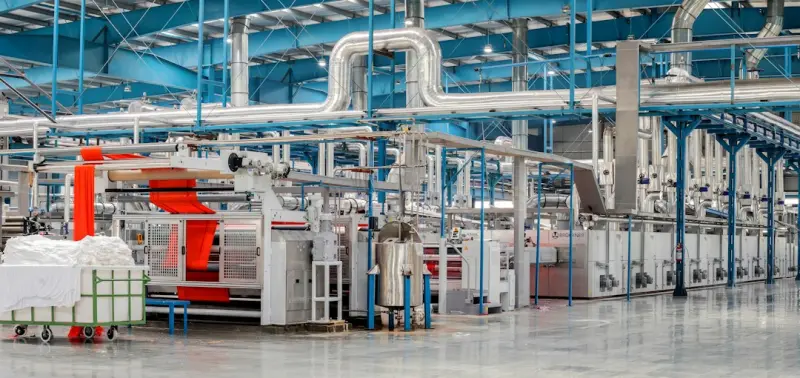
When I first walked the floor of a legacy manufacturing plant, the roar of massive motors, the scent of metal, and the rhythmic clatter of conveyors felt almost timeless. Yet, tucked behind that industrial tableau, I sensed a subtle shift: sensors blinking, data streams flowing, and operators glancing at tablets instead of gauge dials. That moment sparked a question that has guided my work ever since—how can the physical heft of industrial products be married to the feather‑light agility of digital insight? The answer, I’ve found, is edge intelligence: processing data where it’s generated, in real time, to turn equipment from a passive asset into an active decision‑maker.
The Rise of Edge Intelligence in Heavy‑Duty Environments
For decades, the industrial sector relied on centralized SCADA systems and periodic batch reporting. Data would travel miles to a central server, be aggregated, and only then could engineers extract actionable patterns. This latency—often measured in minutes or hours—meant that any corrective action was reactive, not proactive. Today, edge computing chips the distance in half, delivering millisecond‑level responses that keep machines humming, reduce waste, and safeguard workers.
What makes edge so compelling for industrial products? Three forces converge:
- Proximity to the source. Sensors on a spindle, a conveyor belt, or a hydraulic press generate terabytes of raw telemetry daily. Sending every byte to the cloud is inefficient; edge nodes filter, aggregate, and interpret at the point of collection.
- Bandwidth economics. Even with today’s 5G rollout, industrial sites often sit in remote locations where network reliability is a premium. Edge reduces reliance on constant connectivity, ensuring continuity during outages.
- Security & compliance. Keeping sensitive process data on‑premises aligns with strict industry regulations, and when combined with a human‑centric approach, it fortifies the entire safety ecosystem. For a deeper dive into people‑first security, see Human‑Centric Security: Turning People Into Your Strongest Defense.
Building a Data‑Rich Edge Layer: From Sensors to Insight
Deploying edge intelligence isn’t just about bolting a computer onto a machine. It requires a thoughtful architecture that respects the ruggedness of industrial environments while delivering scalable analytics. Below is a typical stack:
- Sensor Fabric. Vibration, temperature, acoustic, and power sensors capture the health of mechanical components. Modern MEMS devices are small enough to embed directly into bearings or housings.
- Edge Gateway. An industrial‑grade PC or ruggedized SoC aggregates sensor data, runs preprocessing algorithms, and forwards only the distilled insights upstream.
- Containerized Analytics. Using lightweight containers (Docker, balenaEngine) ensures that machine learning models—like anomaly detection or remaining‑use‑life estimators—can be updated without halting production.
- Orchestration & Remote Management. Platforms such as Kubernetes‑at‑the‑edge or Azure IoT Edge give operators a single pane of glass to deploy, monitor, and roll back models across hundreds of nodes.
Each layer must be hardened against the harsh realities of dust, temperature swings, and electromagnetic interference. That’s where the design for durability principle comes into play—selecting enclosures with IP‑67 ratings, redundant power inputs, and fail‑safe boot mechanisms.
Predictive Maintenance in Action: Turning Downtime into Data
Imagine a centrifugal pump that vibrates subtly as its impeller wears. Traditional maintenance schedules would replace the pump after a set number of operating hours, regardless of actual condition. Edge intelligence flips this model on its head. By continuously analyzing vibration spectra on the edge, the system can flag a deviation that predicts bearing failure weeks before the first leak appears.
When a threshold is crossed, the edge node triggers a multi‑modal alert:
- A visual cue on the operator’s handheld device.
- An automated work‑order generation in the CMMS (Computerized Maintenance Management System).
- A localized slowdown of the pump’s speed to mitigate damage while awaiting service.
This closed‑loop approach reduces unplanned downtime by up to 40 % in many pilot studies, and it translates into tangible ROI—fewer emergency service calls, extended asset life, and smoother production schedules.
Sustainable Operations at the Edge
Industrial products have long been associated with high energy consumption and waste. Edge intelligence introduces a sustainability lens by optimizing resource usage in real time. For example, an edge‑controlled furnace can modulate fuel flow based on instantaneous temperature feedback, cutting fuel waste by a measurable margin.
Furthermore, the data harvested at the edge enables granular carbon‑footprint reporting, helping firms meet ESG (Environmental, Social, Governance) targets without the need for cumbersome manual audits. The AI‑Driven Eco‑Cleaning: Turning Data Into a Greener Workspace piece illustrates how data‑centric approaches can reshape traditionally “dirty” operations, and the same principles apply when you extend those insights to heavy machinery.
Human‑Centric Safety & Security: The Edge as a Guardian
Edge isn’t just about machines; it’s also about the people who operate them. By processing video feeds locally, edge AI can detect unsafe behaviors—like a worker entering a restricted zone or neglecting PPE—instantly and issue audible warnings. Because the analysis happens on‑site, there’s no lag, and privacy concerns are mitigated since raw footage never leaves the factory floor.
Integrating these safety layers with broader security protocols creates a defense‑in‑depth architecture. When a cyber‑threat attempts to tamper with sensor data, the edge node’s immutable audit log and signed firmware act as a first line of resistance, protecting both the equipment and the workforce.
Challenges and Best Practices for Deploying Edge in Industrial Settings
While the promise of edge intelligence is compelling, execution requires navigating a set of practical challenges:
- Legacy Integration. Many plants still run on PLCs (Programmable Logic Controllers) that speak proprietary protocols. Employing protocol gateways or OPC‑UA wrappers can bridge the old with the new.
- Model Drift. Machine learning models can lose accuracy as equipment ages. Implement continuous monitoring and automated model retraining pipelines that pull labeled data from the edge back to the cloud for refinement.
- Talent Gap. Operators need training to interpret edge alerts correctly. Pairing technology rollouts with hands‑on workshops ensures adoption and reduces alert fatigue.
- Regulatory Compliance. Industries such as pharma or aerospace have stringent validation requirements. Document every firmware version, model change, and configuration shift to maintain auditability.
Adhering to these best practices not only smooths the deployment journey but also maximizes the long‑term value of edge investments.
The Future Landscape: Edge Meets Digital Twins and Beyond
Looking ahead, edge intelligence will increasingly intertwine with digital twins—virtual replicas of physical assets that evolve in lockstep with real‑world data. When an edge node streams live telemetry to a twin, simulation engines can run “what‑if” scenarios in milliseconds, allowing engineers to test process changes without halting production.
Moreover, the convergence of edge AI with 5G low‑latency networks will enable collaborative robot (cobot) fleets that share situational awareness in near real time, unlocking new levels of flexibility on the shop floor. Imagine a swarm of cobots that dynamically reassign tasks based on real‑time load predictions—this is the next frontier for industrial products.
Conclusion: From Passive Machines to Intelligent Partners
Industrial products have always been the backbone of our economies, but their evolution from static tools to intelligent partners is finally within reach. Edge intelligence delivers the immediacy, resilience, and security that legacy centralized architectures cannot match. By embedding analytics at the point of data generation, manufacturers gain predictive foresight, operational sustainability, and a safer work environment—all while honoring the rugged demands of heavy‑duty equipment.
For leaders eager to stay ahead of the curve, the roadmap is clear: start small with a pilot edge gateway on a critical asset, measure the impact on downtime and energy usage, and then scale outward, weaving edge into the fabric of every product line. The future of industrial products isn’t just about stronger steel or faster motors; it’s about smarter, more responsive systems that empower people and protect the planet.

Lauren Miller is a true outdoors enthusiast who has found her passion in the trades. When she's not working hard on the job, you can find her writing, camping, fishing, and exploring all that nature has to offer. A dedicated partner to her wife Beth, Lauren loves nothing more than spending quality time together and experiencing the great outdoors side by side.
Related Posts

The Quiet Revolution of Smart Industrial Materials
An in‑depth look at how sensor‑embedded, eco‑friendly industrial products are turning passive ... Read More
Adaptive Modularity: Re‑Engineering Industrial Products for a Faster Future
Adaptive modularity turns heavy‑industry machines into upgradeable platforms, reducing change‑ov... Read More
Zero‑Trust Security: Safeguarding Modern Industrial Operations
Zero‑trust security replaces outdated perimeter defenses with continuous verification, micro‑seg... Read More
Top Posts
Transforming Enterprise Knowledge Sharing with WordPress Multisite
A detailed guide on leveraging WordPress Multisite as an enterprise knowledge hub, covering security, scalability, integrations, and adoption strategies for sea...Read More

When AI Becomes Your Frontline: Building Adaptive Threat Defenses
This article explains why AI should be the first line of defense, detailing adaptive threat detection, privacy‑first AI, and practical steps to embed intellig...Read More

Why Modular Laptops Are the Secret Sauce for Tomorrow’s Remote Workforce
Modular laptops let remote workers swap components like GPUs, storage, and ports, extending device lifespan and cutting e‑waste while delivering tailored perf...Read More

Curated Sensory Gifts: Turn Moments into Memories
Discover the art of sensory gifting: blend storytelling, eco‑friendly materials, and subtle tech to create unforgettable, multi‑sensory presents that linger...Read More
0 Comments
Post Comment
You will need to Login or Register to comment on this post!