

When I first walked into a showroom and saw a sleek, whisper‑quiet dishwasher that could be “rented” for a monthly fee, I felt a pang of déjà‑vu. It reminded me of the way streaming services replaced DVDs, or how coworking spaces have taken the place of traditional office leases. The notion that an appliance—once a symbol of long‑term ownership and a milestone purchase—could become a subscription service was both thrilling and unsettling. It sparked a series of questions that have since guided my research, conversations with industry insiders, and even my own experiments with a few pilot programs.
The Shift From Product to Platform
Historically, appliances have lived in a simple economic model: you buy, you own, you eventually replace. That model aligned neatly with the manufacturing supply chain, financing options, and the consumer’s desire for tangible assets. Today, however, a new paradigm is emerging—Appliance‑as‑Service (AaaS). In this model, the appliance itself becomes a platform that delivers ongoing value, updates, and experiences rather than a static piece of hardware.
What drives this shift? Three forces intersect:
- Consumer expectations for flexibility. Millennials and Gen Z shoppers, raised on subscription media and on‑demand services, now anticipate the same convenience for home goods.
- Technology integration. Connectivity, AI, and advanced sensors transform ordinary machines into data‑rich, service‑enabled entities.
- Sustainability pressures. With climate concerns mounting, manufacturers and consumers alike are looking for ways to extend product lifecycles and reduce waste.
These forces are not isolated; they reinforce each other. A subscription model can fund continual software upgrades that improve efficiency, which in turn reduces the environmental footprint—a virtuous cycle that resonates with today’s eco‑conscious buyer.
How AaaS Works in Practice
At its core, an AaaS offering bundles three components:
- Hardware access. The physical appliance is delivered, installed, and maintained by the provider.
- Software services. Firmware updates, predictive maintenance alerts, and AI‑driven usage insights are delivered over the internet.
- Customer experience. Flexible terms, easy upgrades, and a responsive support ecosystem create a frictionless ownership feel.
Consider a smart refrigerator that monitors temperature, tracks expiration dates, and suggests grocery lists based on consumption patterns. Under an AaaS model, the manufacturer can push new features—like a built‑in nutrition coach—without the homeowner having to purchase a new unit. If a newer, more energy‑efficient model arrives, the subscriber can swap it out at a reduced cost, keeping the household’s carbon footprint low.
Financial Implications for Homeowners
From a budgeting perspective, the subscription model reframes a large, upfront expense into a predictable monthly line item. For many families, this is a game‑changer. Instead of scrambling for a lump‑sum payment or high‑interest financing, they can allocate a modest, fixed amount that aligns with other household bills.
But the financial story doesn’t end there. Because the provider retains ownership of the appliance, they are incentivized to keep the device running efficiently. This leads to proactive maintenance, which reduces downtime and repair costs—a benefit that often translates into lower subscription fees over time.
It also opens the door to AI‑driven insights that help users understand their energy consumption patterns. By visualizing usage spikes, families can adjust habits and see immediate savings reflected in their monthly statement.
Environmental Upside: Extending Lifecycles
Appliance manufacturers have long faced criticism for “planned obsolescence.” The AaaS model challenges that narrative. Since the provider remains responsible for the hardware, there’s a strong business case for designing appliances that can be easily updated, repaired, or even repurposed.
Think of a modular washing machine where the motor can be swapped out when a newer, more efficient version becomes available, while the outer shell remains the same. This modularity reduces waste and encourages a circular economy—a topic that continues to gain traction across industries.
Furthermore, the data collected from connected appliances can be aggregated (in an anonymized fashion) to inform broader sustainability initiatives. Utilities can use this information to balance grid loads, while manufacturers can identify design improvements that slash energy usage across millions of units.
Challenges and Considerations
While the promise of AaaS shines bright, there are practical hurdles to navigate:
- Data privacy. As appliances become data hubs, safeguarding personal information is paramount. Transparent policies and robust encryption are non‑negotiable.
- Consumer trust. Convincing shoppers to hand over ownership can be tough. Clear communication about service terms, upgrade paths, and end‑of‑life options is essential.
- Logistics. Managing delivery, installation, and returns at scale requires sophisticated supply‑chain coordination, especially for bulky items.
Addressing these challenges often involves cross‑functional collaboration—something I’ve seen happen in other tech‑forward sectors. For example, the way structured data strategies have transformed digital visibility for SaaS companies offers a useful analogy. Just as SEO teams must align content, metadata, and technical implementation to succeed, AaaS providers must harmonize hardware engineering, software development, and service design.
Real‑World Early Adopters
Several brands have already piloted AaaS models, providing valuable case studies:
- CleanCycle. This startup offers a subscription for high‑efficiency washers that include on‑demand detergent refills, automatically delivered based on usage data.
- SmartChef. Their kitchen suite bundles a smart oven, induction cooktop, and AI recipe assistant. Subscribers receive seasonal hardware upgrades and access to a curated library of cooking classes.
- EcoHeat. By offering a subscription for heat‑pump water heaters, EcoHeat integrates real‑time energy pricing, allowing households to heat water when rates are lowest.
What’s common across these examples? A focus on continuous value delivery rather than a one‑off transaction. Customers stay engaged because the service evolves with their needs.
The Role of Retailers
Traditional retailers are not standing on the sidelines. Many are partnering with manufacturers to act as the “front‑line” experience hub, offering demo units, subscription enrollment, and in‑home setup services. This hybrid approach blends the tactile confidence of brick‑and‑mortar with the flexibility of digital subscriptions.
For retailers, the shift also opens new revenue streams. Instead of relying solely on margin from a single sale, they can earn recurring commissions on each active subscription, creating a more stable cash flow.
What This Means for the Future of Home Living
Imagine a home where every major appliance is a service:
- When you move, your subscription simply follows you, and you receive a set of appliances tailored to the new space.
- During a holiday season, you can temporarily upgrade your oven’s capacity without buying a new unit.
- If a new energy‑saving algorithm is released, it’s pushed instantly to your fridge, lowering your electricity bill without any effort on your part.
This vision aligns with a broader societal trend toward “experience over ownership.” People are already paying for streaming, ride‑sharing, and office space on demand. Extending that logic to the home environment feels like a natural progression.
Steps for Consumers Interested in AaaS
If you’re curious about trying an appliance subscription, here’s a quick checklist:
- Assess your usage patterns. Identify which appliances you use most frequently and where a subscription could provide tangible benefits (e.g., energy savings, convenience).
- Research providers. Look for companies with transparent service terms, strong data‑privacy practices, and robust customer support.
- Calculate total cost of ownership. Compare the monthly fee against the typical lifespan and maintenance costs of owning the appliance outright.
- Trial periods. Many providers offer short‑term trials; use these to gauge performance, service quality, and any hidden fees.
- Plan for exit. Understand the process for ending the subscription—will the appliance be returned, recycled, or sold?
By approaching AaaS with the same diligence you’d apply to any major purchase, you can ensure the model truly enhances your lifestyle rather than adding another monthly expense that goes unnoticed.
Conclusion: A New Chapter in Home Innovation
Appliance‑as‑Service is still in its infancy, but the early signs are promising. It blends flexibility, technology, and sustainability into a package that resonates with modern consumers. For manufacturers, it offers a pathway to longer customer relationships and a more circular product lifecycle. For retailers, it creates new recurring revenue models. And for homeowners, it transforms the humble appliance from a static asset into a dynamic, ever‑improving partner in daily life.
As we watch this trend unfold, I’ll be keeping a close eye on how data, design, and service intersect to shape the next generation of home living. If you’re a tech enthusiast, a sustainability advocate, or simply someone who enjoys a well‑cooked meal without the hassle of a bulky purchase, the appliance‑as‑service revolution may just be the next big thing you want to welcome into your home.

Amanda is a passionate writer exploring a kaleidoscope of topics from lifestyle to travel and everything in between.
Related Posts

Smart Appliance Strategies for a Minimalist Kitchen
Learn to curate a minimalist kitchen by selecting multi‑purpose, energy‑efficient appliances, in... Read More
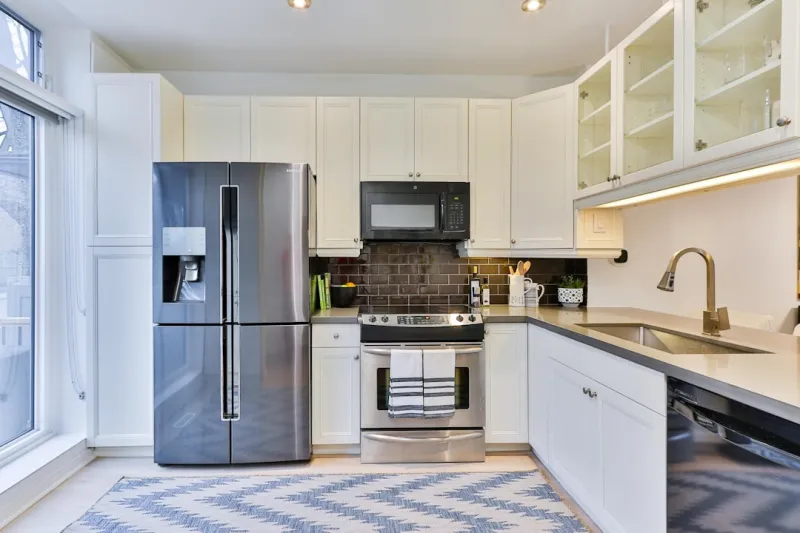
Smart Appliances: The Sustainable Upgrade Your Home Needs
Explore the rise of eco‑friendly appliances, learn maintenance hacks, and see how smart technology... Read More

Smart, Sustainable Appliances: How to Future‑Proof Your Kitchen Without Compromise
Explore how modular design, energy‑efficiency, and privacy‑focused smart features can transform ... Read More
Top Posts
Turning Information Overload into Action with AI‑Powered Personal Knowledge Graphs
Learn how AI‑powered personal knowledge graphs turn the flood of daily information into a structured, searchable map that enhances insight, productivity, and ...Read More

The Evolution of Eco-Friendly WordPress Plugins
Eco-friendly WordPress plugins are changing the game, promoting sustainability and reducing environmental impact. Learn about the evolution, benefits, and futur...Read More

Psychological Safety: The Hidden Engine of SaaS Success
Psychological safety is the untapped catalyst for SaaS growth. This article explains why safe cultures drive faster innovation, lower turnover, and stronger cus...Read More

When AI-Generated Scams Slip Into the Boardroom
AI‑generated scams, from deepfake videos to synthetic identities, are targeting enterprises like never before. This article uncovers the new threat landscape,...Read More
0 Comments
Post Comment
You will need to Login or Register to comment on this post!