
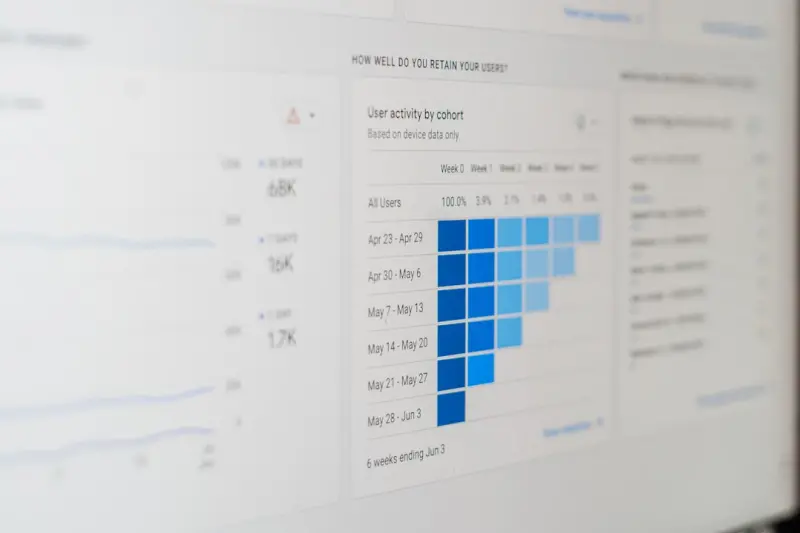
When I first stepped into a corporate training room, the air smelled of stale PowerPoints and the promise of a one‑size‑fits‑all curriculum. Fast forward a few years, and the same room is buzzing with badges, skill dashboards, and real‑time mentorship chats. The shift isn’t a trend—it’s a structural rewrite of how we think about learning in the workplace.
Why Traditional Credentialing Is Stalling
For decades, the education model has hinged on the degree or the certificate. Those milestones are still valuable, but they’ve become blunt instruments in a world that moves at the speed of a click. A three‑month online course that ends with a PDF certificate no longer guarantees that a learner can apply the knowledge in a real‑world scenario. Employers, especially in tech‑heavy sectors, are demanding proof that a person can perform – not just that they have been exposed to the theory.
Moreover, the “one‑time‑event” mindset creates a talent gap. Professionals finish a program, go back to work, and then the next wave of tools or regulations arrives, rendering that knowledge partially obsolete. The result? A perpetual catch‑up cycle that drains budgets and morale.
Micro‑Credentials and Badges: The New Currency
Enter micro‑credentials. These bite‑sized, competency‑focused recognitions are designed to be earned, displayed, and, most importantly, stacked. Think of them as LEGO bricks: each badge represents a skill, and when you combine enough bricks, you build a robust structure that reflects a professional’s true capability.
- Granularity: Instead of a blanket “Project Management” certificate, you can now showcase mastery of “Agile Sprint Planning” or “Risk‑Adjusted Forecasting.”
- Portability: Badges live on professional profiles—LinkedIn, internal talent portals, or even personal websites—making them instantly visible to hiring managers.
- Speed: Learners can earn a micro‑credential in weeks, not months, keeping the momentum high and the learning curve steep.
The rise of digital badges also aligns with the growing demand for transparency. Companies can audit the criteria behind each badge, ensuring that the credential truly reflects the underlying competence.
Building a Skill Graph: From Courses to Competencies
A skill graph is a visual, data‑driven map that connects individual micro‑credentials to broader role competencies and business outcomes. Imagine a spider‑web where each node is a skill, and the threads illustrate dependencies—what you need to learn before you can master something else.
Creating a skill graph starts with three steps:
- Identify Core Business Outcomes: What does success look like for your organization? Revenue growth, product reliability, customer satisfaction?
- Map Competencies to Outcomes: Break down each outcome into the specific abilities that drive it—e.g., “Data‑Driven Decision Making” for revenue growth.
- Link Micro‑Credentials to Competencies: Assign each badge to one or more competency nodes, creating a clear path for learners to see how their achievements translate into business impact.
When learners can see the direct line from a badge to a measurable outcome, motivation spikes. The skill graph also provides HR and L&D teams with actionable data: which competencies are under‑developed, where bottlenecks exist, and which learning pathways yield the highest ROI.
Learning Experience Platforms: The Glue That Holds It Together
Learning Management Systems (LMS) gave us a place to host content, but they often fell short on personalization and engagement. Today’s Learning Experience Platforms (LXP) act as a personalized learning concierge, pulling in content from multiple sources—internal knowledge bases, third‑party MOOCs, podcasts, and even AI‑generated micro‑learning snippets.
What makes an LXP truly powerful is its plugin‑first mindset. By treating every learning tool as a modular component, organizations can swap in a new video‑streaming service, a gamified quiz engine, or a data‑analytics dashboard without overhauling the entire platform. This plug‑and‑play flexibility mirrors the agility we demand from our product stacks and keeps the learning ecosystem future‑proof.
Key features to look for in an LXP include:
- AI‑Curated Playlists: Algorithms recommend the next micro‑credential based on the learner’s skill graph.
- Social Learning Hubs: Forums, peer‑review, and mentorship matchmaking foster community.
- Integrated Badge Engine: Auto‑issue badges upon assessment completion, updating the skill graph in real time.
Data‑Driven Mentorship: Pairing Learners with Guides in Real Time
Mentorship has always been a cornerstone of professional growth, yet traditional programs suffer from scalability issues. Modern technology can turn mentorship into a data‑driven, on‑demand service.
Imagine a system that continuously monitors a learner’s progress through their skill graph, identifies gaps, and then automatically suggests a mentor who excels in that exact competency. The mentor receives a concise brief—what the learner already knows, where they’re stuck, and the desired outcome—so every interaction is purposeful.
Benefits are twofold:
- Efficiency: Mentors spend less time onboarding and more time solving concrete problems.
- Impact Measurement: Post‑mentorship analytics can tie skill improvements directly to business KPIs, proving the ROI of mentorship programs.
The Role of AI‑Enhanced Audio in Skill Retention
We often think of learning as a visual experience, but audio is an underutilized channel for reinforcement. Audio branding techniques—original soundscapes, voice‑driven narratives, and spaced‑repetition podcasts—can embed knowledge deeper into long‑term memory.
Here’s how to leverage audio intelligently:
- Micro‑Learning Snippets: 2‑minute audio capsules that recap a badge’s key takeaways, delivered during commute or workout.
- Personalized Voice Assistants: AI agents that quiz learners on recent badges, adjusting difficulty based on response patterns.
- Ambient Learning: Background soundtracks infused with subtle reinforcement cues (e.g., a soft chime after a correct answer in a simulation).
When audio is woven into the daily rhythm of work, learning becomes a continuous, low‑friction habit rather than a scheduled event.
AR‑Powered Learning Experiences: When the Physical Meets the Digital
While we’re not writing about AR as a headline, it’s worth noting how immersive technologies can accelerate skill acquisition. By overlaying step‑by‑step instructions onto real equipment, workers can practice procedures in a safe, controlled environment. This blend of visual, tactile, and auditory cues creates a richer learning loop—one that traditional e‑learning struggles to match.
For organizations hesitant about full‑scale AR rollouts, start small: pilot a maintenance guide for a single piece of machinery, capture performance data, and iterate. The success stories from early adopters demonstrate a measurable reduction in error rates and onboarding time.
Actionable Steps for Companies Ready to Ride the Wave
Transitioning from a legacy LMS to a dynamic, micro‑credential‑driven ecosystem may feel daunting, but breaking it into manageable phases helps maintain momentum.
- Audit Existing Content: Tag every course, video, and document with the competency it supports. This creates the seed data for your skill graph.
- Define Badge Criteria: Work with subject‑matter experts to establish clear, measurable standards for each micro‑credential.
- Choose an LXP with a Plugin Architecture: Ensure you can integrate future tools—audio generators, AR modules, mentorship matchers—without a massive rebuild.
- Launch a Pilot Cohort: Select a cross‑functional team, equip them with the new platform, and monitor engagement, badge earn rates, and performance outcomes.
- Iterate and Scale: Use data from the pilot to refine competency mappings, adjust mentorship algorithms, and expand the badge catalog.
- Communicate the Value: Highlight stories where a badge directly contributed to a project win, promotion, or cost saving. Social proof fuels adoption.
Remember, the goal isn’t to replace all learning formats but to create an ecosystem where each learning moment—whether a 5‑minute podcast, a hands‑on AR simulation, or a mentor chat—contributes to a living, evolving skill graph.
Looking Ahead: The Learning Economy
As the boundary between employee and entrepreneur blurs, professionals are increasingly curating their own learning portfolios. Companies that provide the infrastructure—transparent badge systems, data‑driven mentorship, and multimodal content—become the preferred talent magnets.
In this new economy, learning is no longer a cost center; it’s a strategic asset. The organizations that embed micro‑credentials into their DNA will see faster innovation cycles, higher employee engagement, and a clear line from learning investment to bottom‑line impact.

Paul Flynn is a versatile freelance writer equipped with a diverse skillset and a portfolio that reflects his wide-ranging interests and expertise. From crafting compelling website copy and engaging blog posts to delivering in-depth articles and meticulously researched reports, Flynn demonstrates a remarkable ability to adapt his writing style to suit various audiences and purposes.
Related Posts
Redesigning Personal Learning for the Modern Mind
A fresh look at how personal learning ecosystems, storytelling, and neurodiverse‑friendly design c... Read More

When Classrooms Go Holographic: Rethinking Learning with AR and AI
A deep dive into how augmented reality, AI tutors, and microlearning modules combine to create immer... Read More

Beyond the Screen: How Immersive Spatial Learning Is Redefining Corporate Education
Discover why immersive spatial learning—using VR and AR—offers a new dimension for corporate edu... Read More
Top Posts

How Google’s AI Search Is Quietly Redefining B2B SaaS Visibility
Google’s new AI-driven search algorithm demands intent‑first storytelling, structured data, and a coordinated tech stack, offering B2B SaaS companies a quie...Read More

Celebrating Sustainably: How to Reduce Waste and Make a Positive Impact
Celebrating sustainably is a great way to reduce waste, promote eco-friendly practices, and create a healthier and more sustainable future. Learn how to make a ...Read More

Finding Joy and Purpose in the Golden Years
Discover the simple yet powerful ways seniors can infuse purpose, sustainability, and joy into daily life, from redesigning homes to building purposeful connect...Read More

Your Life as a Story: How Narrative Journaling Fuels Mental Resilience
Learn why storytelling and journaling are powerful tools for mental wellness, with practical steps to turn your daily experiences into a resilient narrative....Read More
0 Comments
Post Comment
You will need to Login or Register to comment on this post!