

When I first heard the term “micro‑movement,” I imagined a tiny robot dancing in my office. Instead, I discovered a deceptively simple habit that’s quietly reshaping how we think about health at work: brief, intentional bursts of movement sprinkled throughout the day. No fancy gym equipment, no hour‑long classes—just a series of five‑minute micro‑workouts that add up to a powerful health catalyst.
What Exactly Is a Micro‑Movement?
A micro‑movement is any purposeful, low‑impact activity that lasts anywhere from 30 seconds to five minutes. Think of a quick set of desk push‑ups, a stair‑climb between meetings, or a brief stretch series that targets the neck and shoulders. The beauty lies in the frequency: instead of carving out a single 30‑minute block, you weave these moments seamlessly into your workflow.
Key characteristics of micro‑movements include:
- Low barrier to entry: No need for a gym membership or special gear.
- Scalable intensity: Adjust the effort based on your current fitness level.
- Time‑friendly: Fits into the natural pauses of a workday—after a meeting, before a call, or during a coffee break.
Why These Tiny Bursts Matter More Than You Think
Research in occupational health shows that prolonged sitting is linked to cardiovascular disease, metabolic syndrome, and reduced cognitive function. While standing desks have helped, they’re still a static solution. Micro‑movements actively combat the physiological downsides of sedentary behavior by:
- Increasing blood flow to the brain, which sharpens focus and reduces mental fatigue.
- Boosting muscle activation, preventing the atrophy that comes from sitting too long.
- Releasing endorphins that elevate mood and lower stress hormones like cortisol.
In a study on mental resilience, participants who incorporated short, structured breaks reported a 23% increase in perceived energy levels. The principle translates directly to physical micro‑movements: brief activity spikes the nervous system, resetting attention and vigor.
The Science Behind the Spark
When you stand up and move, your muscles contract, prompting a cascade of biochemical events. One of the most compelling is the release of brain‑derived neurotrophic factor (BDNF), a protein that supports the growth of new neurons and enhances synaptic plasticity. Even a minute of light exercise can raise BDNF levels, meaning those micro‑movements are literally feeding your brain.
Moreover, micro‑movements trigger a phenomenon called non‑exercise activity thermogenesis (NEAT). NEAT accounts for the calories we burn outside of formal exercise—like walking to the printer or fidgeting. By intentionally increasing NEAT through micro‑movements, you can offset the metabolic slowdown caused by desk work without feeling like you’re “working out.”
How to Start Embedding Micro‑Movements Into Your Day
Here’s a practical, step‑by‑step plan you can adopt tomorrow:
- Map your natural pauses. Identify recurring gaps—post‑meeting, pre‑lunch, or after a long email thread.
- Choose a movement set. For beginners, a simple routine might include:
- 30 seconds of shoulder rolls
- 10 bodyweight squats
- 15 seconds of calf raises
- Set a cue. Use a timer, a calendar notification, or the sound of a colleague’s coffee machine as a reminder.
- Track progress. A quick note in a journal or a habit‑tracking app reinforces the behavior.
- Iterate. After a week, assess how you feel. Increase intensity or add new moves as you grow more comfortable.
Consistency is the secret sauce. Even five minutes spread across eight intervals equals 40 minutes of active time—a respectable amount compared to the typical sedentary workday.
Technology That Makes Micro‑Movements Easy
While the concept is low‑tech, modern tools can smooth the adoption curve:
- Smartwatch reminders. Most wearables let you set custom “stand” alerts. Pair them with a short movement playlist for a seamless experience.
- Desk‑mounted sensors. Devices that detect prolonged inactivity can trigger gentle vibrations, nudging you to move. Think of them as the “smart sensors” of personal wellness.
- Micro‑movement apps. A growing number of mobile apps curate 5‑minute routines, letting you pick activities that suit your space and fitness level.
These tools echo the efficiency of sustainable hygiene practices—they’re designed to improve health without adding waste or complexity.
The Ripple Effect on Workplace Culture
When a single employee champions micro‑movements, the impact can ripple through the organization:
- Enhanced collaboration. Short movement breaks often become informal “standing meetings,” fostering spontaneous idea exchange.
- Reduced burnout. Regular physical resets diminish the mental load that accumulates during marathon work sessions.
- Inclusive health. Because micro‑movements are adaptable, they accommodate a wide range of physical abilities, promoting an inclusive environment.
Leaders who model these habits signal that wellbeing is a strategic priority, not an afterthought. Over time, this cultural shift can translate into lower absenteeism, higher productivity, and stronger employee retention.
Addressing Common Concerns
“I don’t have time.” Ironically, micro‑movements are a time‑saving solution. By breaking up long periods of sitting, you maintain mental acuity, which often leads to faster task completion.
“It looks unprofessional.” The key is discretion. Simple desk stretches or a quick walk to a printer can be performed without drawing attention. In many forward‑thinking companies, these micro‑breaks are already normalized.
“I’m not athletic enough.” That’s the beauty of the micro‑movement model: intensity can be calibrated to your comfort level. Even gentle neck rotations provide measurable benefits.
Measuring Success: Metrics That Matter
Beyond feeling better, you can quantify the impact of micro‑movements:
- Step count increase: Track daily steps before and after implementing micro‑movements.
- Energy rating: Use a simple 1‑10 self‑assessment at midday to gauge alertness.
- Productivity markers: Monitor completion time for recurring tasks; many report a 10‑15% speed boost after regular movement breaks.
Documenting these metrics helps build a business case for broader adoption and can inspire other departments to join the movement.
Future Outlook: Micro‑Movements as a Cornerstone of Corporate Health Strategy
As companies continue to prioritize employee wellbeing, micro‑movements are poised to become a staple of health initiatives—complementing traditional wellness programs, mental health resources, and ergonomic design. Imagine a future where every office layout includes “movement hubs,” or where AI‑driven calendars automatically schedule micro‑breaks based on workload intensity.
When we start treating these brief bursts of activity as essential as coffee breaks, we’ll see a healthier, more resilient workforce—one that can sustain high performance without the hidden cost of chronic fatigue.
Ready to try? Set a timer for the next five minutes, stand up, and give your body a quick reset. You’ll be surprised at how a tiny shift can spark a big transformation.

Freelance writer with a flare for everything. I am passionate about topics I write crafting stories and compelling content that connect with audiences. Journeying through the realms of creativity as a freelance creator. #WriterLife #ContentCreator
Related Posts
The Connection Between Sustainability and Mental Health
The connection between sustainability and mental health is clear. Learn how embracing sustainable pr... Read More

From Data to Vitality: Building Your Own AI Health Dashboard
Learn how to create an AI-driven health dashboard that integrates wearables, contextual AI, and edge... Read More
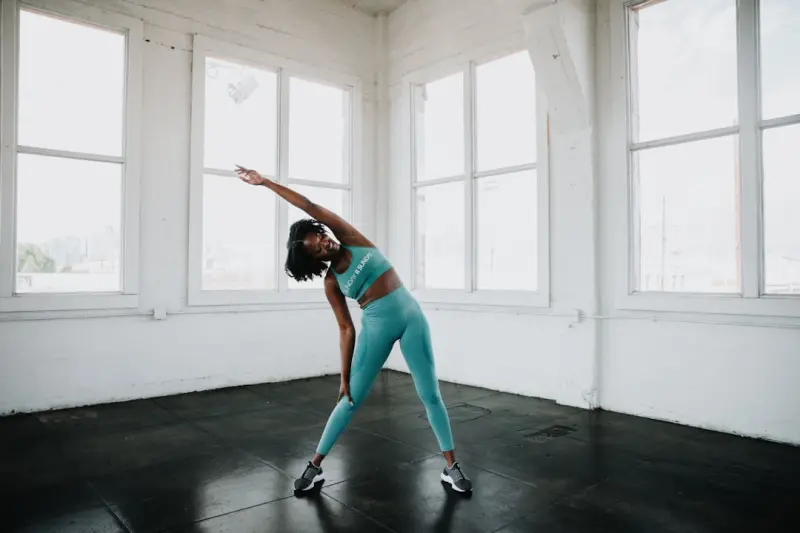
Micro‑Movements and Breathwork: A Daily Health Playbook
Learn to boost wellbeing at work with micro‑movements, intentional breathing, and smart environmen... Read More
Top Posts

Why Safety Needs to Be a Core KPI for SaaS Product Teams
Safety isn’t just an IT issue—it’s a product, people, and operations challenge. Learn why SaaS teams should treat safety metrics as core KPIs and how to e...Read More

Parenting in the Digital Age: Turning Chaos into Confidence
Learn how to transform modern parenting challenges into growth opportunities with humor, voice‑first tools, a family knowledge hub, and community time‑banki...Read More
Why Modern Bloggers Must Blend Authentic Voice, SEO Savvy, and Sustainable Practices
Tyler Johnson reveals the 2024 blogging playbook: authentic voice, intent‑focused SEO, multimedia, community building, and sustainable tech that turn posts in...Read More
Beyond the Click: How Modern Toolchains Are Redefining B2B SaaS Efficiency
Modern toolchains are transforming B2B SaaS by integrating intelligent automation, observability‑first monitoring, and low‑code integration platforms into a...Read More
0 Comments
Post Comment
You will need to Login or Register to comment on this post!