
Why Green Cleaning Isn’t Just a Trend—It’s a Strategic Advantage
When I first walked into a glass‑walled office that smelled faintly of citrus and pine, I realized something: the scent of clean can be a silent salesman. In the era of ESG reporting and hyper‑aware consumers, the way we keep our workspaces tidy has morphed from a choresheet to a brand statement. Eco‑cleaning isn’t a niche hobby for the environmentally‑obsessed; it’s a lever for productivity, talent retention, and bottom‑line growth.
The Science Behind a Sustainable Scrub
Research shows that indoor air quality directly influences cognitive performance. Traditional cleaners often off‑gass volatile organic compounds (VOCs) that linger for hours, fogging our lungs and our thoughts. In contrast, plant‑based surfactants, biodegradable solvents, and enzyme‑driven formulas break down grime without leaving a chemical residue. The result? A space that feels fresher, looks brighter, and—crucially—supports sharper focus.
Beyond the air we breathe, the feel of a responsibly cleaned surface can shape perception. Clients entering a conference room that shines with a natural luster subconsciously attribute higher integrity to the host company. It’s a subtle cue, but one that can tilt a deal.
From One‑Off Sprays to a Circular Cleaning System
Most businesses still buy single‑use bottles, toss them after the last wipe, and forget the cradle‑to‑grave impact. The next evolution is a circular cleaning system—think refill stations, concentrated cartridges, and reusable microfiber kits. The model mirrors the “appliance‑as‑service” mindset that’s reshaping everything from kitchen gear to office tech. By treating cleaning supplies as a service, you eliminate waste, reduce transport emissions, and gain predictable budgeting.
Read more about how the appliance‑as‑service model can be repurposed for cleaning consumables, turning a cost center into a value‑adding partnership.
Micro‑Habits That Turn Green Cleaning Into a Culture
Changing the cleaning regime of a mid‑sized firm feels daunting—until you break it into bite‑size actions. Here are three micro‑habits that embed sustainability without demanding a full‑scale overhaul:
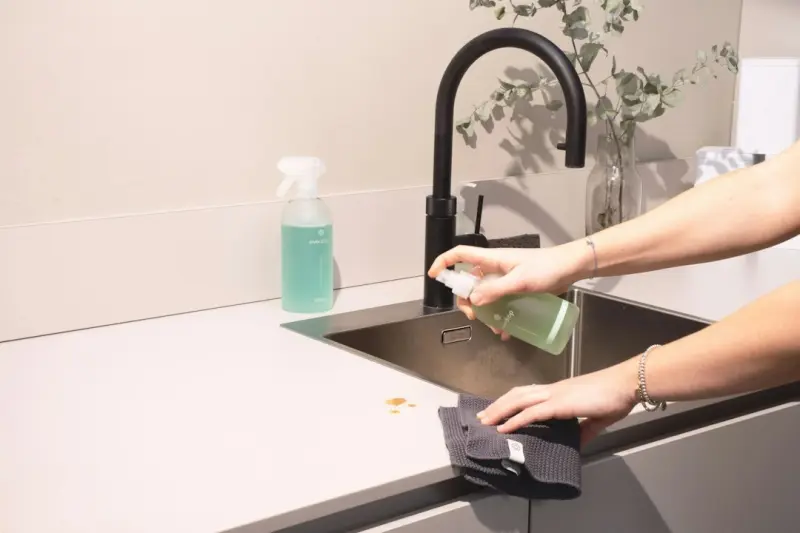
- Morning Mist: Before the first coffee, a 30‑second spray of a water‑based citrus concentrate on high‑traffic desks wipes away overnight dust and resets the room’s scent.
- Refill Ritual: Designate a weekly “refill hour” where staff swap out empty concentrate bottles for full ones at a central station. The ritual reinforces responsibility and reduces plastic waste.
- Spot‑Check Swaps: Pair each cleaning task with a quick glance at the product’s label—if it’s not biodegradable, replace it on the spot. The habit builds a keen eye for greener options.
These habits echo the philosophy of micro‑habits for energy—small, repeatable actions that compound into massive gains over time.
Calculating the ROI: Numbers That Matter
Let’s get real. Sustainability initiatives often get dismissed as “nice‑to‑have” because the benefits feel intangible. Yet, green cleaning delivers concrete metrics:
- Reduced Supply Costs: Concentrated formulas can cut chemical spend by up to 40% when compared to traditional bottled cleaners.
- Lower Facility Maintenance: Non‑abrasive, pH‑balanced solutions extend the life of carpets, flooring, and upholstery, delaying costly replacements.
- Health Savings: Fewer VOC‑related complaints translate into lower absenteeism. According to OSHA data, indoor air improvements can shrink sick‑day rates by 15%.
- Brand Equity: Clients and partners increasingly ask for ESG credentials. Highlighting a green cleaning program can differentiate you in competitive bids.
When you stack these savings, the payback period for a comprehensive eco‑cleaning rollout often falls under twelve months—a compelling argument for finance teams.
Choosing the Right Green Cleaning Partners
Not all eco‑cleaning products are created equal. Here’s a quick checklist to vet suppliers:
- Third‑Party Certification: Look for USDA BioPreferred, EU Ecolabel, or Green Seal seals.
- Transparent Ingredient Lists: Avoid “proprietary blends” that hide petrochemical components.
- Refill Infrastructure: Partners should offer bulk concentrate, cartridge return programs, or on‑site mixing stations.
- Performance Testing: Request independent efficacy data—green should not mean “less clean.”
Case Study: A Boutique Marketing Agency’s Green Pivot
When the team at BrightPixel (a fictional agency for illustration) decided to audit their cleaning routine, they discovered they were spending $12,000 annually on disposable spray bottles. By switching to a refill‑station model and training staff on the micro‑habits above, they cut cleaning spend by 35% and reduced plastic waste by 2,800 pounds in the first year. Moreover, client surveys showed a 12% uptick in perceived professionalism—directly linked to the fresh, natural scent that now filled their meeting rooms.
Addressing Common Misconceptions
“Eco‑cleaning is too pricey.” The upfront cost of sustainable products can be higher, but the long‑term savings in volume, waste disposal, and health offset the difference.
“It’s less effective.” Modern green formulations use enzymatic technology that actually breaks down organic stains more efficiently than harsh chemicals.
“My building management won’t allow changes.” Many property managers are now mandating low‑VOC cleaning in lease agreements—position yourself as a proactive compliance partner.
Embedding Eco‑Cleaning Into Your ESG Narrative
When you report ESG metrics, cleaning may seem like a footnote, but it can be a flagship story. Document the volume of plastic avoided, the reduction in chemical usage, and the employee health benefits. Pair these figures with photos of refill stations and staff champions to create a vivid, relatable narrative for stakeholders.
Future Trends to Watch
As sensor technology advances, we’ll see smart cleaning dashboards that monitor usage, track refill cycles, and even suggest optimal cleaning times based on occupancy patterns. Imagine an AI‑driven system that alerts you when a high‑traffic zone needs a quick mist, ensuring you never over‑clean or under‑clean.
Another exciting frontier is the integration of bio‑based nanomaterials that provide antimicrobial protection without antibiotics, keeping surfaces safe while staying green.
Getting Started: Your 30‑Day Green Cleaning Sprint
- Audit: List every cleaning product, quantity, and frequency.
- Identify: Flag items without eco‑certification and calculate their annual cost.
- Swap: Replace the top three highest‑cost items with certified alternatives.
- Train: Run a 15‑minute micro‑habit workshop for the facilities team.
- Measure: Track spend, waste weight, and employee feedback for 30 days.
- Iterate: Use the data to expand the program, adding refill stations and broader product swaps.
This sprint gives you tangible data to present to leadership, making the case for scaling the program company‑wide.
Conclusion: Clean Spaces, Clear Minds, Competitive Edge
Eco‑cleaning is more than a buzzword; it’s a strategic lever that aligns health, sustainability, and brand perception. By treating cleaning as a service, leveraging micro‑habits, and choosing verified partners, you turn a mundane task into a differentiator that resonates with employees, clients, and investors alike. The next time you walk into a freshly misted conference room, remember: the scent of citrus isn’t just pleasant—it’s a signal that your company is future‑ready.

When it comes to the world of blogging and writing, Rose DesRochers is a name that stands out. Her passion for creating quality content and connecting with her audience has made her a trusted voice in the industry. Aside from her skills as a writer and blogger, Rose is also known for her compassionate nature.
Related Posts

Eco‑Cleaning Hacks for Small Spaces: Upcycle, DIY, and Thrive
Learn how to turn kitchen scraps, reclaimed containers, and simple DIY recipes into powerful, eco‑... Read More
Eco‑Cleaning Essentials: Steph Sanderson’s Guide to a Greener Home
Steph Sanderson shares her favorite natural cleaning recipes, kid‑friendly tips, and how eco‑cle... Read More

Enzyme Power: How Nature’s Catalysts Are Revolutionizing Everyday Cleaning
Discover how enzyme cleaners work, practical DIY formulas, and metrics to track real eco‑cleaning ... Read More
Top Posts

The Secret Sauce Behind Hyper‑Personalized Shopping Boxes
Subscription boxes are evolving beyond novelty, using data‑driven personalization, community‑focused email, and flexible tech to deliver curated experiences...Read More

The Quiet Revolution of Digital Twins in the Modern Supply Chain
Digital twins are emerging as a living mirror of physical supply chains, turning reactive management into proactive optimization. This post dives into their arc...Read More

Wandering Workspaces: Curating Your Mobile Office for Creative Freedom
Explore the art of crafting a portable workspace that blends productivity with wanderlust, using minimalist gear, smart lighting, and mindful routines to keep c...Read More

Scam Fatigue in SaaS: Spotting the Subtle Deceptions That Cost Companies Millions
Scams are slipping into SaaS environments under the guise of legitimate requests, exploiting trust pathways and AI‑driven deepfakes. This article breaks down ...Read More
0 Comments
Post Comment
You will need to Login or Register to comment on this post!