
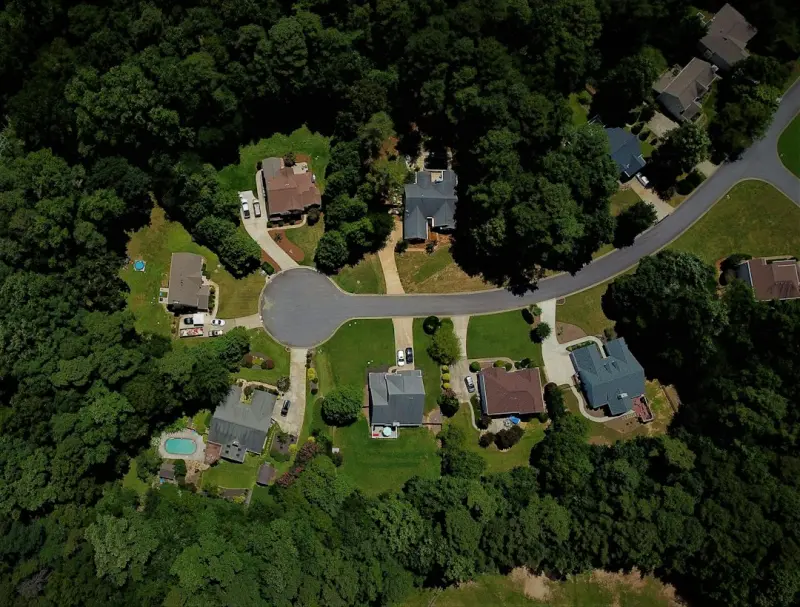
Why Neighborhood Skill Swaps Are the Quiet Revolution We Need
When I walk down my street on a Saturday morning, I no longer hear just the hum of traffic or the occasional dog bark. I hear the soft clatter of a toolbox, the gentle hum of a sewing machine, and the animated chatter of neighbors exchanging advice about everything from composting to coding. It’s a scene that feels almost cinematic, yet it’s unfolding in countless suburbs, city blocks, and rural towns across the country. This isn’t a marketing gimmick or a fleeting fad; it’s a grassroots movement that’s quietly reshaping the way we think about community, resilience, and mutual aid.
The Anatomy of a Skill Swap
A skill swap, at its core, is simple: one person offers a skill they’ve mastered, and another offers a skill they excel at in return. No money changes hands—only time, expertise, and goodwill. But the impact goes far beyond the transaction itself. By weaving a network of reciprocal learning, neighborhoods create a safety net that can absorb shocks, whether they’re economic downturns, natural disasters, or the everyday stresses of modern life.
- Local Expertise Becomes Accessible: A retired electrician can teach a teenager how to safely wire a light fixture, while that teen can help the electrician navigate a new social media platform.
- Trust Grows Organically: Repeated, low‑stakes exchanges build a foundation of trust that is far more durable than any contractual agreement.
- Resource Efficiency Increases: When a community can repair, repurpose, or share rather than purchase anew, the collective carbon footprint shrinks.
From Isolated Hobbies to Collective Power
Historically, hobby clubs and maker spaces have been the go‑to venues for people to share knowledge. However, those spaces often require a dedicated facility, membership fees, or a certain level of pre‑existing interest. Skill swaps democratize the concept by bringing it directly onto the street, into the kitchen, or onto the front porch. The barrier to entry drops dramatically—if you can speak, you can teach; if you can listen, you can learn.
Take, for example, a neighborhood in Portland that launched a “Tool Library” paired with weekly skill swaps. Residents could borrow a power drill for an afternoon and, in return, attend a one‑hour woodworking session led by a local carpenter. Within six months, the neighborhood reported a 30% reduction in waste from discarded furniture and a noticeable uptick in community events attendance.
Technology’s Role—But Not the Whole Story
While the spirit of skill swaps is decidedly analog, technology can amplify its reach. Simple platforms—think a shared Google Sheet, a private Slack channel, or a community‑focused app—allow residents to list what they can teach and what they want to learn. These tools act as a catalyst, not a replacement, for the face‑to‑face interaction that makes the swap valuable.
It’s important, however, to keep the technology lightweight. Over‑engineered solutions can create friction, turning what should be a spontaneous, friendly exchange into a bureaucratic process. The most successful swaps rely on minimal digital scaffolding and prioritize real‑world meetups.
Economic Resilience Through Reciprocity
One of the most compelling arguments for skill swaps is their ability to buffer households against financial volatility. When a family can fix a leaky faucet themselves or learn to prepare budget‑friendly meals, they retain more of their income for other priorities—education, health, or savings.
Moreover, this reciprocal economy can spur micro‑entrepreneurship. A resident who discovers a knack for gardening through a swap might start a small community CSA (Community Supported Agriculture) program, further circulating resources and wealth within the neighborhood.
Social Cohesion and the Human Need for Belonging
Humans are wired for connection. When we share a skill, we’re not just exchanging knowledge; we’re sharing a piece of our identity. This creates a sense of belonging that is harder to achieve through digital interactions alone. The ritual of gathering around a kitchen table, a backyard grill, or a community park for a skill‑share session satisfies a deep‑seated desire for face‑to‑face connection.
Research on digital commons underscores the importance of shared spaces—both virtual and physical—in fostering community solidarity. Skill swaps embody this principle by turning everyday locales into hubs of collaborative learning.
Addressing Inclusivity and Equity
For a skill swap to truly serve a community, it must be inclusive. That means actively reaching out to underrepresented groups, providing translation services when necessary, and ensuring that meeting times accommodate varied schedules. Some neighborhoods have tackled this by pairing skill swaps with existing community events—like farmers’ markets or library storytimes—thereby lowering the entry barrier for those who might feel hesitant to join a standalone gathering.
Equity also extends to the types of skills exchanged. While tech‑focused sessions (coding, digital marketing) garner excitement, practical, low‑tech skills (sewing, basic carpentry, home budgeting) are just as vital. The most resilient neighborhoods are those that value a broad spectrum of competencies.
Measuring Impact: Beyond the Anecdotes
Quantifying the success of a skill swap can be tricky, but a few metrics provide insight:
- Participation Rate: Number of unique residents who attend at least one session per quarter.
- Skill Diversity Index: Variety of distinct skills offered, indicating breadth of expertise.
- Resource Savings: Estimated monetary value of repairs, shared tools, or avoided purchases.
- Community Sentiment: Surveyed feelings of trust and belonging among participants.
One community in Austin tracked these numbers over a year and discovered that participants reported a 22% increase in perceived neighborhood safety—a testament to the psychological benefits of knowing you can rely on a neighbor’s expertise.
Potential Pitfalls and How to Navigate Them
Like any grassroots initiative, skill swaps can encounter challenges:
- Coordination Fatigue: Volunteers may become overwhelmed. Solution: Rotate leadership roles and keep a simple schedule.
- Skill Mismatch: Offering a skill that no one needs leads to disengagement. Solution: Conduct a quick survey before each session to gauge interest.
- Safety Concerns: Certain activities (e.g., electrical work) carry risk. Solution: Establish clear guidelines and, when necessary, require professional oversight.
By anticipating these obstacles, organizers can create a sustainable framework that keeps the momentum alive.
Connecting Skill Swaps to Broader Societal Trends
At first glance, a neighborhood skill swap might seem like a quaint, localized activity. Yet, it dovetails with larger societal shifts:
- Rise of the Gig Economy: As more people engage in freelance work, the desire for diversified skill sets grows. Swaps offer a low‑cost avenue for upskilling.
- Focus on Mental Well‑Being: Engaging in collaborative learning has been shown to reduce stress and combat loneliness—a point echoed in discussions about psychological safety in the workplace.
- Environmental Consciousness: Sharing tools and repairing items aligns with the circular economy model, reducing waste.
Getting Started: A Practical Blueprint
If you’re inspired to launch a skill swap in your own neighborhood, follow this straightforward roadmap:
- Gauge Interest: Use a simple poll (paper or digital) to ask neighbors what skills they can teach and what they’d like to learn.
- Identify a Host Space: A community center, local library, or even a resident’s backyard can serve as a gathering point.
- Set a Regular Cadence: Monthly or bi‑weekly sessions keep momentum without overwhelming volunteers.
- Promote with Low‑Barrier Communication: Flyers, neighborhood WhatsApp groups, or a shared calendar work well.
- Document and Celebrate Wins: Capture photos, share success stories, and thank participants publicly to reinforce community pride.
Future Outlook: From Swaps to Community‑Run Learning Hubs
Imagine a future where every block hosts a rotating series of skill‑share stations, each equipped with basic tools, materials, and a schedule of sessions. These could evolve into fully fledged community learning hubs, offering everything from language classes to drone piloting workshops. The seed is already planted; the skill swap is the first sprout.
Such hubs could also serve as incubators for local innovation. A group of residents who meet to exchange coding basics might later collaborate on a neighborhood app that tracks shared resources. The possibilities are limited only by the collective imagination of the participants.
Conclusion: A Call to Action
The world is buzzing with grand narratives about AI, big data, and global connectivity. While those stories are compelling, the most profound transformations often happen on a much smaller scale—on a porch, in a kitchen, or around a park bench. By embracing neighborhood skill swaps, we tap into an ancient human instinct to teach, learn, and support one another. In doing so, we build resilient, trustworthy, and vibrant communities that can weather any storm.
So the next time you hear a neighbor humming while sanding wood or see a child proudly displaying a hand‑stitched patch, remember: you’re witnessing the quiet revolution that could redefine society from the ground up.

Paul Flynn is a versatile freelance writer equipped with a diverse skillset and a portfolio that reflects his wide-ranging interests and expertise. From crafting compelling website copy and engaging blog posts to delivering in-depth articles and meticulously researched reports, Flynn demonstrates a remarkable ability to adapt his writing style to suit various audiences and purposes.
Related Posts
The Future of Sustainable Living: A Holistic Approach to a Greener Tomorrow
Sustainable living is not just a trend, but a necessity. Learn how to adopt a holistic approach to s... Read More

Time Banking: How Neighborhoods Are Rebuilding Trust and Reciprocity
Explore the rise of time banking, a community‑driven exchange system that swaps hours of service f... Read More
The Quiet Revolution of Digital Empathy: Re‑imagining Social Bonds in a Hyper‑Connected World
A deep dive into how embedding empathy into digital platforms can revive genuine community ties, fro... Read More
Top Posts
Reinventing Independence: How Tech Empowers Seniors to Thrive
A senior’s guide to embracing technology without overwhelm, covering voice assistants, personalized browsing, health data control, micro‑learning, community...Read More

From Cash Flow Chaos to Clarity: Real‑Time Dashboards Transform CFO Decision‑Making
A deep dive into building and leveraging real‑time financial dashboards, showing CFOs how to move from static month‑end reports to proactive, data‑driven ...Read More

Beyond Steps: How Biofeedback Wearables Are Rewriting Health
Discover how the latest biofeedback wearables turn physiological data into real‑time wellness actions, offering privacy‑first, personalized health insights ...Read More

Trailblazing the Future: Sustainable Adventures in the Great Outdoors
Discover the evolving world of sustainable outdoor recreation, from eco‑friendly gear and mindful tech use to regenerative travel and community‑driven conse...Read More
0 Comments
Post Comment
You will need to Login or Register to comment on this post!