
Why Plastic Toys No Longer Fit
Walking through the aisles of my local market, I’m constantly reminded of how brightly colored plastic toys dominate the shelves, promising instant delight but leaving behind a trail of waste that lingers for centuries. I grew up in a small apartment in Shanghai where my grandparents would hand‑carve wooden tops and paper kites, and those humble objects felt more alive than any shiny battery‑powered gadget. Choosing sustainable play isn’t just a trend; it’s a reclamation of the tactile, the imperfect, and the story‑laden objects that nurture a child’s imagination far beyond a single fleeting spark.
The Joy of Handcrafting
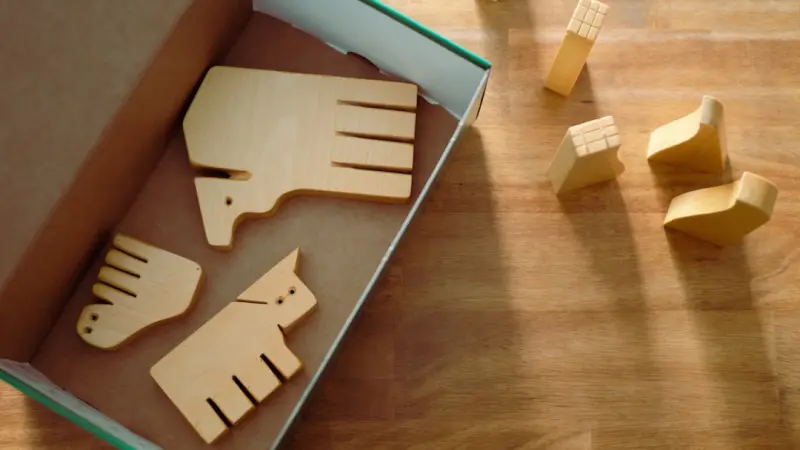
When I first tried to make a simple wooden puzzle for my niece, the scent of fresh‑cut pine filled the kitchen, turning the whole experience into a multisensory lesson in patience and precision. The process forced me to confront the why behind each notch and groove, turning a routine activity into a dialogue between maker and material that a factory line could never replicate. By sourcing reclaimed wood, natural dyes, and biodegradable glues, I discovered that each toy could carry a narrative of redemption, turning discarded scraps into cherished heirlooms.
Learning Through Play
Handcrafted toys do more than entertain; they act as learning scaffolds that invite children to experiment, problem‑solve, and iterate in real time. A hand‑stitched rag doll, for instance, encourages a child to explore textures, practice fine motor skills, and even engage in storytelling that evolves with each new seam. This type of open‑ended play mirrors the principles of micro‑interactions in digital design—small, thoughtful touches that reward curiosity and foster deeper engagement.
Building a Sustainable Play Ecosystem
Beyond the workshop, the real magic happens when makers share patterns, tools, and tips on community platforms, turning solitary crafting into a collaborative movement. I’ve joined a local “Playful Makers” circle where parents swap wooden gear wheels, recycled fabric swatches, and even host pop‑up workshops for kids to assemble their own puzzles under my guidance. This exchange not only democratizes access to quality toys but also weaves a network of stewardship, where each participant becomes an ambassador for a greener, more intentional childhood.
Integrating Play Into Modern Spaces
Modern homes are increasingly becoming hubs of technology, yet there’s a growing desire to blend the analog warmth of handcrafted toys with the sleekness of smart environments. By incorporating sound‑smart home design, parents can create ambient soundscapes that enhance imaginative play—think gentle rain for a wooden boat set or forest whispers for a pine pinecone treasure hunt. This subtle synergy respects the child’s need for sensory richness without drowning the experience in overstimulation.
Economic and Environmental Impact
Choosing to craft or purchase ethically made toys also sends a powerful market signal that can shift production priorities toward circular economies. When families prioritize items that are repairable, recyclable, or upcyclable, manufacturers are compelled to rethink supply chains, reducing reliance on petrochemical plastics and fossil‑fuel‑intensive processes. Moreover, the cost per hour of hands‑on creation often undercuts the price of mass‑produced toys, delivering better value and a deeper sense of accomplishment for both maker and child.
Stories That Last
My niece still clutches the wooden puzzle I made, and every time a piece clicks into place, she asks me, “Did you carve this?” That question sparks a conversation about the origin of objects, the people who shape them, and the responsibility we all share to protect the world they inhabit. These stories become family lore, passed down like treasured recipes, ensuring that the ethos of sustainable play endures long after the toys themselves have weathered the test of time.
Future Horizons
Looking ahead, I envision a world where 3‑D‑printed biodegradable molds collaborate with traditional hand tools, bridging cutting‑edge technology and age‑old craftsmanship. Imagine a community library where parents can download open‑source designs, print them using plant‑based filament, and then personalize each piece with hand‑painted details—a hybrid approach that honors both innovation and tradition. This convergence promises endless possibilities for inclusive, eco‑friendly play that adapts to diverse cultural narratives.
Take the First Step
If you’re feeling inspired, start small: repurpose a cardboard box into a cityscape, carve a simple wooden shape from a fallen branch, or stitch together a fabric animal using scraps from an old shirt. Share your creations online, tag fellow makers, and watch the ripple effect grow. By choosing to make or buy toys that respect the planet, you’re not just giving a child a plaything—you’re gifting a future where imagination and responsibility walk hand in hand.

Mei Chen is a dynamic professional who brings a unique blend of skills to Blogging Fusion. As a key contributor to the Blogging Fusion platform, she leverages her writing expertise to create engaging content that resonates with our audience.
Related Posts
Building a Greener Playroom: DIY Upcycled Toy Kits for the Modern Family
A deep dive into sustainable, DIY toy kits that empower parents and kids to turn everyday recyclable... Read More

Tactile Play: A Burnout Antidote for Knowledge Workers
Hands‑on toys aren’t just nostalgic desk décor; they’re powerful tools that reduce stress, bo... Read More
Playful Futures: Sustainable, Smart, and Community‑Driven Toys Redefine Childhood
Discover the new wave of toys that blend sustainability, AI, and community collaboration, turning pl... Read More
Top Posts

Search Intent Clustering: A New Frontier for B2B SaaS Growth
Learn a practical, intent‑first approach to search engine marketing that transforms raw query data into high‑performing ad groups, improves Quality Scores, ...Read More

Why Embedded Insurance Is the Next Growth Engine for SaaS Companies
Embedding insurance directly into SaaS products transforms risk management into a seamless, revenue‑generating service, aligning data, security, and customer ...Read More

Unlocking the Hidden Benefits of Everyday Sports: A Fresh Playbook
Explore a new perspective on daily sports—from bite‑size workouts to community leagues—and learn how to turn simple play into lasting health, mental stren...Read More
First‑Party Data Strategies for Modern Search Engine Marketing
Discover why first‑party data is the new gold standard in search engine marketing and how to build a data‑driven SEM engine that respects privacy while deli...Read More
0 Comments
Post Comment
You will need to Login or Register to comment on this post!