
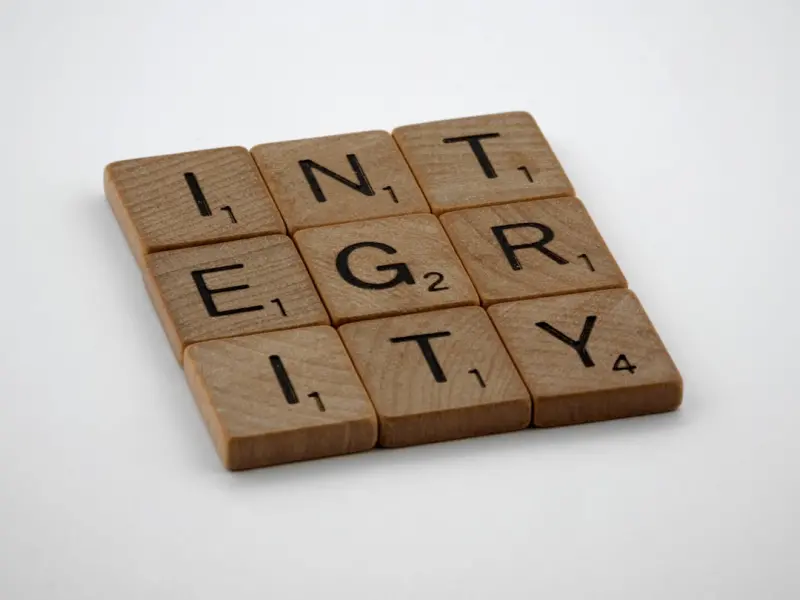
When I first unpacked a wooden gear set on my kitchen counter, I didn’t expect it to become a secret weapon in my daily workflow. The click of interlocking pieces, the subtle resistance of the spring‑loaded hinges, and the quiet satisfaction of a mechanism finally aligning felt oddly therapeutic. Over time, I realized I wasn’t just playing—I was recharging, re‑orienting, and quietly training my brain for the kind of deep focus that modern knowledge work demands. This post is a deep dive into why tactile, hands‑on toys are more than nostalgic desk décor; they’re strategic tools for reducing burnout, sparking creativity, and building resilient teams.
The Quiet Crisis of Cognitive Fatigue
In high‑performance environments, the mental load often feels like an invisible weight. Long stretches of screen time, endless virtual meetings, and the relentless push for output create a feedback loop of stress and diminishing returns. Traditional wellness solutions—yoga classes, meditation apps, even ergonomic chairs—address the body, but they often miss the subtle, neuro‑chemical need for kinesthetic stimulation. Research in neuroplasticity shows that when we engage our hands in purposeful, low‑stakes tasks, the brain releases dopamine and reduces cortisol, resetting the stress response without the need for a full‑blown break.
Why Tactile Play Works: The Science Behind the Sensation
Our nervous system is wired for a blend of sensory inputs. The tactile feedback loop—touch, pressure, movement—activates the somatosensory cortex, a region that, when exercised, enhances attention and problem‑solving abilities. Simple toys like kinetic sand, magnetic building blocks, or clicky fidget cubes provide a micro‑challenge: they’re complex enough to demand focus, yet simple enough to avoid triggering the same anxiety that a complex project might.
Moreover, the act of physically manipulating objects encourages embodied cognition. When you arrange gears to spin, you’re not just playing; you’re rehearsing the mental choreography needed to map out workflows, anticipate bottlenecks, and iterate solutions. The brain treats these tactile puzzles as low‑risk simulations of larger, abstract problems.
Choosing the Right Toys for the Office
Not all toys are created equal for a professional setting. Here are three criteria that help separate the “nice‑to‑have” from the “must‑have”:
- Low Distraction, High Engagement: The toy should invite brief interaction—think 2‑5 minutes—without pulling you into an extended session that derails your schedule.
- Quiet Operation: In open‑plan offices, audible toys can become a nuisance. Opt for silent mechanisms or magnetic clicks that stay under the radar.
- Scalable Complexity: Choose toys that grow with you. Modular building sets, for example, let you start with a simple structure and evolve into intricate designs as your mood changes.
For teams that love storytelling, integrating micro‑storytelling techniques into play can amplify impact. Imagine a set of narrative dice that prompts each participant to craft a quick scenario related to a current project—suddenly, a brainstorming session feels like a game.
Those who enjoy spontaneous, location‑based fun might draw inspiration from pop‑up adventure concepts. A portable, fold‑out obstacle course can transform a conference room into a brief, movement‑rich playground, encouraging a quick physical reset without the need for a full‑blown field trip.
Finally, consider how visual discovery is reshaping the way we find and select these tools. The rise of visual discovery trends means that a quick image search can reveal emerging tactile toys that align with your team’s aesthetic and functional preferences.
Integrating Play Without Disruption
Introducing toys into a workplace can feel like walking a tightrope. Here are actionable steps to embed play organically:
- Designate a “Play Corner”—a small, visible shelf or drawer that invites curiosity but isn’t a permanent fixture. Keep a rotating selection of toys to maintain novelty.
- Set a “Micro‑Play” policy—allow employees to spend up to five minutes per hour engaging with a tactile object. This structured freedom normalizes play and prevents over‑indulgence.
- Pair toys with meeting rituals—start sprint retrospectives with a quick gear‑building exercise. The shared tactile experience breaks ice and primes the brain for collaborative thinking.
- Gather feedback—use short pulse surveys to gauge how toys affect focus, stress levels, and overall satisfaction. Iterate the collection based on real data, not just intuition.
These practices ensure that play remains a catalyst, not a distraction, and that its benefits ripple across the organization.
Case Study: Reinventing the Breakroom at a Design Agency
At a mid‑size design agency, the breakroom was a sterile space dominated by coffee machines and vending snacks. Leadership introduced a curated set of tactile toys—including magnetic tiles, kinetic sand, and a modular wooden puzzle—based on the criteria above. Within three months, the agency observed:
- A 12% reduction in reported “mental fatigue” scores in quarterly employee surveys.
- An increase in “idea generation” metrics during brainstorming sessions, with teams citing the toys as “inspirational prompts”.
- Higher cross‑departmental interaction, as employees from design, development, and marketing gravitated toward the shared play area during brief “micro‑breaks”.
The secret sauce? The agency paired the toys with a simple habit: every day at 10 am, a team member would place a new challenge card on the shelf—“Build a structure that can support a 5‑lb weight using only magnetic tiles.” The quick, shared problem sparked conversation and, more importantly, gave employees a tangible sense of achievement that carried over into their primary tasks.
Designing Your Own Tactile Toolkit
Ready to assemble a collection that resonates with your culture? Here’s a starter list that balances variety, cost, and quiet operation:
- Magnetic Building Blocks – Perfect for quick 3‑D constructions; they’re silent and endlessly re‑configurable.
- Gear Sets with Interlocking Teeth – Offer a satisfying mechanical click and teach basic engineering principles.
- Fidget Cubes with Hidden Compartments – Provide subtle tactile stimulation without obvious noise.
- Kinetic Sand or Moldable Putty – Encourages soothing, hands‑on manipulation that calms nerves.
- Miniature Puzzle Cubes – Challenge the mind while remaining compact enough for a desk drawer.
Remember, the goal isn’t to replace traditional wellness programs but to complement them. By offering a low‑effort, high‑impact tactile outlet, you empower employees to self‑regulate their stress and re‑engage with renewed vigor.
Measuring Impact: From Anecdote to Data
While the subjective feeling of “feeling better” is valuable, quantifiable metrics help justify ongoing investment. Consider tracking:
- Focus Duration – Use time‑tracking tools to note any increase in uninterrupted work periods after introducing play.
- Idea Submission Rates – Monitor platforms where employees share suggestions; a spike may indicate heightened creative flow.
- Employee Retention – Correlate turnover data with the implementation timeline of tactile play initiatives.
- Wellness Survey Scores – Include specific questions about stress relief and mental clarity related to toy usage.
When these numbers trend upward, you have a compelling narrative that positions tactile play not as a whimsical perk, but as a strategic asset in talent management and productivity.
Future Horizons: The Next Generation of Office Play
The landscape of workplace wellness is evolving. Emerging trends suggest a fusion of tactile toys with digital augmentation—think smart blocks that sync with project management tools, or AR‑enhanced puzzles that surface data insights as you assemble them. While these innovations are on the horizon, the core principle remains unchanged: hands‑on, low‑stakes play can recalibrate the brain, boost morale, and ignite innovative thinking.
As we continue to navigate an increasingly virtual world, the simple act of feeling, moving, and building with our hands offers a grounding counterbalance. Whether you’re a solo freelancer or part of a sprawling enterprise, consider the modest wooden gears on your desk as the quiet catalyst for a more resilient, creative, and engaged work life.

When it comes to the world of blogging and writing, Rose DesRochers is a name that stands out. Her passion for creating quality content and connecting with her audience has made her a trusted voice in the industry. Aside from her skills as a writer and blogger, Rose is also known for her compassionate nature.
Related Posts
Playful Futures: How Subscription Toy Boxes Are Rewriting the Way Families Experience Play
A deep dive into the surge of subscription toy boxes, uncovering how personalized curation, real‑t... Read More

Sustainable Play: Crafting Toys That Teach, Last, and Inspire
Explore the rise of sustainable, upcycled, and hybrid toys that blend imagination with environmental... Read More
Play with Purpose: The Rise of Sustainable Toys in 2024
Explore the booming world of sustainable toys, learn how eco‑friendly play nurtures young minds, a... Read More
Top Posts

The Power of Sustainable Social Media Marketing
Sustainable social media marketing is a critical component of any business's sustainability strategy. Learn how to create an eco-friendly social media strategy ...Read More
The Sustainable Shopper’s Playbook: How I Turn Everyday Purchases Into Planet‑Friendly Wins
Michelle Fisher shares her personal journey to eco‑friendly shopping, revealing strategies, tech tools, and community swaps that turn ordinary purchases into ...Read More
WordPress Unleashed: From Blog Engine to Enterprise Experience Engine
Explore how WordPress evolves beyond blogging into a flexible, headless platform that supports enterprise‑scale digital experiences, offering low‑code desig...Read More

Mobile Learning Apps: The Quiet Engine Driving Enterprise Talent Growth
Mobile learning apps are reshaping corporate training by delivering micro‑content, adaptive pathways, and real‑time analytics, enabling faster skill acquisi...Read More
0 Comments
Post Comment
You will need to Login or Register to comment on this post!