
Reimagining Play: Why Sustainable Toys Matter More Than Ever
When I was a kid, the plastic dinosaur that roared on a cheap battery felt like the pinnacle of imagination, yet today that same plastic sits in landfills for centuries, reminding me that the toys we hand down shape more than just childhood memories. Modern parents are waking up to the hidden cost of disposable playthings, realizing that every bright‑colored, single‑use figurine carries an environmental footprint that mirrors our broader consumption habits. The shift toward sustainable toys isn’t a fleeting trend; it’s a cultural recalibration that aligns the joy of play with a responsibility to the planet, and it begins with the stories we tell our children about why a wooden puzzle can be just as magical as a glittering gadget. By choosing toys built to last, made from renewable resources, or repurposed from everyday items, we’re teaching the next generation that imagination does not have to come at the expense of the earth.
Environmental Impact: The Hidden Toll of Plastic Play
Every year, millions of pounds of plastic are molded into action figures, building blocks, and electronic games, only to be discarded when a child outgrows them, creating a silent avalanche of waste that clogs oceans and fills landfill sites. The production process itself consumes fossil fuels, releases greenhouse gases, and often involves chemicals that can leach into soil and water, meaning the toy you buy today may be a pollutant tomorrow. Parents who prioritize sustainable options are effectively reducing this chain reaction, opting for bamboo, organic cotton, or reclaimed wood that not only biodegrades but also requires far less energy to manufacture. Moreover, these materials often come with certifications—such as FSC for wood or GOTS for textiles—that provide a transparent audit trail, reassuring caregivers that the toy’s lifecycle aligns with a greener future. By demanding accountability, we push manufacturers to innovate, fostering a market where eco‑conscious design becomes the norm rather than the exception.
DIY Upcycling: Turning Household Items into Timeless Toys
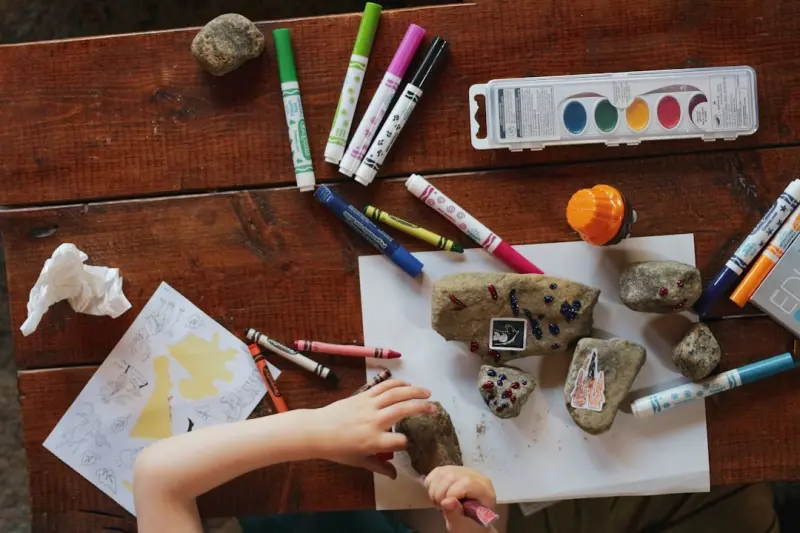
One of my favorite weekend rituals involves gathering discarded cardboard boxes, old fabric scraps, and mismatched wooden spoons, then transforming them into bespoke playthings that spark endless creativity. This hands‑on approach not only cuts down waste but also invites children into the design process, empowering them to see value in everyday objects. Here are three quick upcycling ideas that blend simplicity with imagination:
- Cardboard Castle: Layer and cut sturdy boxes, add a splash of paint, and you’ve got a fortress that can expand with each new addition.
- Fabric Puppet Theater: Sew together old t‑shirts, attach felt characters, and create a stage for storytelling that travels wherever you go.
- Wooden Spoon Musical Set: Secure rubber bands to spoons of varying lengths, producing a percussion ensemble that teaches rhythm and coordination.
These projects not only reduce landfill contributions but also cultivate problem‑solving skills, as children learn to iterate, troubleshoot, and celebrate the joy of making something from nothing.
Educational Play: Merging STEAM with Sustainable Design
When a toy serves both as a source of wonder and a conduit for learning, its value multiplies exponentially, turning playtime into a laboratory for curiosity. Sustainable toys—especially those that can be disassembled, rebuilt, or repurposed—naturally encourage inquiry into how things work, aligning perfectly with STEAM (Science, Technology, Engineering, Arts, Mathematics) principles. For instance, a set of interlocking wooden gears invites kids to experiment with motion, while a recycled‑plastic building kit can be used to illustrate concepts of architecture and environmental impact. By integrating storytelling, parents can weave narratives that contextualize these lessons, turning a simple wooden boat into an adventure that explores currents, buoyancy, and the importance of protecting waterways. This blend of tactile learning and ethical consciousness creates a feedback loop where children not only grasp complex ideas but also internalize the significance of making responsible choices.
Community Swaps: Building a Circular Toy Economy
One of the most rewarding ways to extend the life of beloved playthings is to participate in local toy swaps, a practice that transforms neighborhoods into collaborative marketplaces where value is measured in smiles rather than dollars. These gatherings echo the principles of a circular economy, ensuring that toys circulate, get refurbished, and find new homes instead of ending up in the trash. Organizing a swap can be as simple as posting a flyer at the community center, designating a “toy exchange day,” and encouraging families to bring items in good condition. By fostering this culture of sharing, we reduce the demand for new production, lower overall waste, and create a sense of stewardship among children who see firsthand how resources can be reused. Over time, these events become more than just exchanges; they evolve into learning hubs where parents discuss durability, safety, and the stories behind each piece, deepening the community’s collective knowledge about responsible consumption.
Hybrid Play: When Analog Meets Digital
While the resurgence of sustainable, analog toys is a breath of fresh air, the modern child’s world is still heavily influenced by digital experiences, and the magic happens when the two intersect thoughtfully. Imagine a wooden puzzle that, when completed, unlocks a short, interactive story on a tablet—bridging tactile satisfaction with narrative enrichment without relying on constant screen time. This synergy can be explored further through digital mentorship platforms that guide kids in creating their own augmented reality overlays for physical toys, turning a simple action figure into a character that can speak, move, or react to real‑world inputs. By blending the tactile feedback of traditional play with the expansive possibilities of technology, we create a richer play ecosystem that respects the environment while still catering to the digital fluency of today’s youth.
Safety First: Designing Toys That Last and Protect
Durability and sustainability go hand‑in hand with safety; a well‑crafted toy should withstand the inevitable drops, tosses, and rough handling that accompany enthusiastic play. Drawing insights from the kid‑friendly adventure zone guidelines, manufacturers are now emphasizing rounded edges, non‑toxic finishes, and robust fastening methods that prevent choking hazards and breakage. Parents can also perform quick checks: ensure that wooden pieces are sanded smooth, that paints are water‑based and certified lead‑free, and that any stitching is tight enough to resist unraveling. When toys are built to endure, they stay in the household longer, reducing the turnover rate and reinforcing the sustainable loop. Moreover, safe, long‑lasting toys build trust, allowing children to explore fearlessly while parents rest easy knowing that the play environment is both enjoyable and secure.
Market Trends: The Rise of Conscious Toy Brands
Consumer demand is reshaping the toy industry, with emerging brands positioning themselves at the intersection of eco‑friendliness, educational value, and ethical manufacturing. These companies often publish transparent supply chains, use reclaimed plastics, and partner with NGOs to plant trees for every product sold, turning each purchase into a tangible act of stewardship. Market analysts note a steady increase in sales for toys made from bamboo, organic cotton, and recycled metals, indicating that parents are willing to invest in higher‑priced items that promise durability and a reduced carbon footprint. As these brands gain visibility, they also inspire larger corporations to adopt greener practices, creating a competitive environment where sustainability becomes a baseline expectation rather than a niche selling point. For families seeking alternatives, the growing catalogue of conscious toys offers a curated selection that aligns with both playfulness and planetary responsibility.
Conclusion: Play with Purpose and Pass It On
Choosing sustainable toys is more than a purchasing decision; it’s an invitation to rewrite the narrative of childhood, where imagination thrives alongside ecological awareness. By embracing upcycled creations, supporting community swaps, and exploring hybrid analog‑digital experiences, we empower the next generation to view play as a conduit for learning, stewardship, and joy. I encourage every caregiver to look beyond the glitter and ask, “Will this toy inspire curiosity, endure through years of adventure, and leave a lighter footprint on the earth?” When the answer is yes, we’re not just filling shelves with objects—we’re cultivating a legacy of thoughtful play that can be passed down, cherished, and re‑imagined for years to come.

Jimmy Stewart is a content creator that gets inspired by many aspects of life, internet or whatever inspires him at that moment. When he's not online he's gaming and when he is not gaming he is online trolling discussion boards.
Related Posts
Unlocking Imagination: How Modern Toys Spark Creative Growth
A deep dive into the transformative power of modern toys, from sustainable DIY kits to AR playsets, ... Read More

Modular Play: Building Problem‑Solving Skills One Brick at a Time
Modular play systems offer endless creativity, educational benefits, and sustainable design, turning... Read More

Playful Futures: How Subscription Toy Boxes Are Rewriting the Way Families Experience Play
A deep dive into the surge of subscription toy boxes, uncovering how personalized curation, real‑t... Read More
Top Posts

Narrative‑First Blueprint for B2B Blogging
A story‑first approach turns ordinary B2B blog posts into magnetic narratives that resonate with readers, boost engagement, and empower employee advocacy....Read More
When Your Appliances Start Anticipating Your Needs
Smart appliances are evolving from reactive tools to proactive partners that anticipate inventory, optimize energy use, and integrate seamlessly into daily life...Read More

The Rise of Kid‑Led Innovation Labs: How Teens Are Shaping the Future of Learning
A deep dive into how middle‑school maker labs are evolving into teen‑run innovation hubs, turning curiosity into community impact, and why educators, parent...Read More

The Intersection of SEO and Sustainability: A New Era of Eco-Friendly Digital Marketing
The intersection of SEO and sustainability is a rapidly evolving field that offers businesses a unique opportunity to reduce their environmental footprint while...Read More
0 Comments
Post Comment
You will need to Login or Register to comment on this post!