
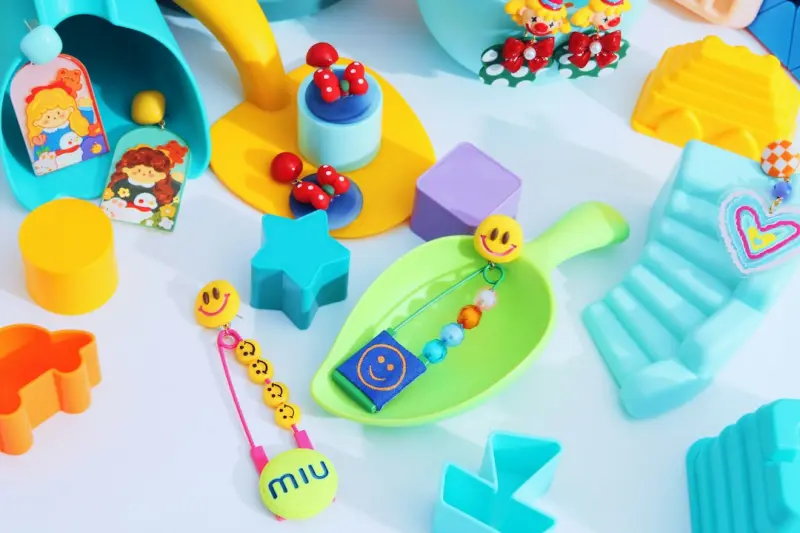
Playful Innovation: Subscription‑Based Toy Ecosystems Are Changing How Kids (and Grown‑Ups) Play
When I was a kid, the thrill of opening a new toy was a one‑off event – a moment of pure anticipation followed by hours of imagination. Today, that single purchase is evolving into an ongoing experience that feels more like a service than a product. Subscription‑based toy ecosystems are turning the traditional “buy‑once‑play‑forever” model on its head, delivering fresh, curated play experiences month after month while also feeding data‑driven insights back into the design loop.
Why the Subscription Model Makes Sense for Toys
At first glance, toys and subscriptions seem like an odd pairing. After all, toys are tactile, tangible objects that live on a shelf, whereas subscriptions are typically associated with streaming services or software. The magic happens when the two worlds intersect, creating a feedback‑rich loop that benefits manufacturers, retailers, and families alike.
- Continuous Engagement: Instead of a single spike in excitement, kids receive a regular dose of new challenges, keeping their curiosity alive throughout the year.
- Personalized Curation: Advanced profiling tools can match a child’s evolving interests – from building blocks to coding kits – ensuring that each delivery feels hand‑picked.
- Sustainable Design: Brands are experimenting with modular components that can be reused or upgraded, reducing waste and extending product lifespans.
- Data‑Driven Iteration: Real‑time usage data informs designers about which mechanics spark the most engagement, enabling rapid, evidence‑based improvements.
The Anatomy of a Modern Toy Subscription Box
Successful toy subscriptions share a few common ingredients:
- Discovery Engine: A set of algorithms (often borrowing from the edge‑first architecture playbook) that analyze a child’s play patterns, age, and even parental preferences to recommend the next box.
- Modular Content: Instead of a single, static item, each box contains interchangeable pieces that can be recombined, upgraded, or swapped out in future deliveries.
- Storytelling Thread: A narrative arc that weaves each month’s toys together, turning disparate objects into a cohesive adventure that builds anticipation for the next installment.
- Community Hub: An online portal where families can share creations, unlock bonus challenges, and access tutorials, turning the experience into a social one.
These components work together like a living ecosystem, where each new delivery both enriches the child’s play world and feeds data back into the system to refine future recommendations.
From Physical to Hybrid: The Role of Digital Enhancements
Hybrid toys that blend physical components with digital overlays are the perfect complement to subscription models. Imagine a wooden robot that, when placed on a smart mat, unlocks an augmented‑reality (AR) mission on a tablet. The child can build, program, and then see the robot come to life in a digital environment, deepening the learning experience.
These hybrids also open doors for knowledge‑as‑a‑service principles. Instead of delivering static knowledge, brands provide an evolving platform where educational content updates automatically as the child progresses, ensuring the learning journey stays relevant.
Benefits for Parents (and Their Wallets)
Parents often grapple with two competing goals: providing enriching toys while managing budgets and clutter. Subscription services address both concerns:
- Predictable Costs: A flat monthly fee simplifies budgeting, removing the surprise of high‑priced “must‑have” toys that appear seasonally.
- Reduced Clutter: Many programs include a “return‑or‑swap” option, allowing families to send back toys they’ve outgrown in exchange for new ones.
- Confidence in Quality: Curated selections are often vetted by child development experts, giving parents peace of mind that each item supports growth milestones.
Industry Players Leading the Charge
Several forward‑thinking companies have already embraced the subscription toy model, each with a unique spin:
- Build‑It‑Box: Focuses on engineering challenges, delivering modular LEGO‑compatible pieces that evolve from simple structures to programmable robotics.
- StorySprout: Combines narrative books with tactile props, letting kids act out chapters and influence the storyline through choices in subsequent boxes.
- EcoPlay Club: Prioritizes sustainability, offering toys made from recycled plastics and bamboo, with a “re‑mix” policy that encourages reusing components.
These brands demonstrate that the subscription model isn’t a one‑size‑fits‑all approach; it can be tailored to niche interests, educational goals, or sustainability values.
Challenges and How to Overcome Them
While the promise is compelling, the model isn’t without hurdles:
- Logistics Complexity: Shipping delicate components month after month requires robust packaging and reliable fulfillment partners.
- Data Privacy: Collecting play data raises legitimate concerns. Companies must be transparent, adopt strict consent frameworks, and ensure compliance with child‑privacy regulations.
- Retention Risk: Keeping families subscribed means consistently delivering fresh, high‑quality experiences. Stagnation can lead to churn.
Addressing these challenges involves investing in supply‑chain resilience, establishing clear privacy policies, and maintaining an agile design process that can pivot based on feedback.
Future Outlook: The Convergence of Play, AI, and Service
Looking ahead, the intersection of artificial intelligence, modular design, and subscription logistics will reshape how we think about toys. AI could power real‑time adaptive challenges, adjusting difficulty on the fly based on a child’s performance. Meanwhile, the “as‑a‑service” mindset will push manufacturers toward designing products that are inherently upgradable, much like software releases.
In this future, the line between “toy” and “learning platform” blurs, creating a holistic ecosystem that grows with the child from early imagination through advanced problem‑solving. The subscription box becomes the conduit, delivering not just objects, but evolving experiences that nurture curiosity, resilience, and creativity.
Practical Tips for Parents Considering a Toy Subscription
- Start Small: Opt for a trial period or a three‑month plan to gauge fit before committing long‑term.
- Check the Return Policy: Ensure you can easily swap or return items that no longer engage your child.
- Read Reviews: Look for feedback on the quality of components, educational value, and the brand’s responsiveness to concerns.
- Align with Developmental Goals: Choose a service that matches your child’s current age range and interests, and that offers a clear progression path.
By approaching subscriptions with a strategic mindset, families can turn the inevitable “outgrow‑and‑store” cycle into a continuous journey of discovery.
Conclusion: Play as a Service Is Here to Stay
The shift toward subscription‑based toy ecosystems reflects a broader cultural move toward experiences over ownership. It leverages data, modular design, and narrative continuity to keep play fresh, purposeful, and sustainable. For parents seeking to nurture curiosity without drowning in plastic, and for brands aiming to stay relevant in a fast‑changing market, this model offers a compelling roadmap.
As we watch the next generation of kids grow up surrounded by intelligent, adaptable playthings, one thing is clear: the future of toys is not a static shelf‑stocked product line, but a living service that evolves alongside the very imagination it seeks to spark.

Robert Mathews is a professional content marketer and freelancer for many SEO agencies. In his spare time he likes to play video games, get outdoors and enjoy time with his family and friends . Read more about Robert Mathews here:
Related Posts
Playful Sustainability: How Modern Toys Can Teach Kids to Love the Planet
Michelle Fisher explores the rise of sustainable toys, offering practical tips for parents to choose... Read More
Playful Subscriptions: Turning Toys into Data‑Driven Delight
Subscription boxes are revolutionizing toys by using data to personalize each child’s play, stream... Read More
Playful Engineering: Building Modular Toys for the Modern Age
Modular toys are redefining play by offering endless re‑configurable designs, sustainable material... Read More
Top Posts

The Car as a Living Software Platform: How Digital Evolution Is Redefining Driving
Modern cars are evolving from mechanical machines into dynamic software platforms. This post dives into the shift, covering data meshes, passwordless entry, OTA...Read More

Plugging Into the Green Future: How Sustainable Plugins Are Reshaping the Web
Explore the rise of sustainable plugins, their impact on SEO and performance, and actionable steps to adopt greener extensions in your digital strategy....Read More

Rethinking Insurance: A Sustainable Path to Real Protection
Discover how modern insurance can align with sustainable lifestyles, rewarding eco‑friendly choices and fostering community resilience through purpose‑drive...Read More
Why Zero‑Click Search Is the New Frontier for Marketers
Zero‑click search is redefining how marketers capture organic value. This post breaks down the mechanics, new success metrics, and practical tactics—like sc...Read More
0 Comments
Post Comment
You will need to Login or Register to comment on this post!