
Why Play Matters in a Sustainable World
From the moment my youngest son, Eli, clutches a bright‑colored block, I see the world through his eyes—a place where imagination meets the raw materials that shape it, and where the seeds of responsibility can be planted before a single lesson about recycling is ever spoken. I’ve spent years watching trends in the toy aisle shift from disposable plastic novelties to items that promise longevity, but the real magic happens when a child’s curiosity is guided toward the story behind each piece, turning playtime into an early environmental education. That is why I champion toys that are not only fun but also serve as tiny ambassadors of sustainability, quietly teaching kids that every choice—whether it’s picking a wooden puzzle over a battery‑driven gadget—has a ripple effect on the planet.
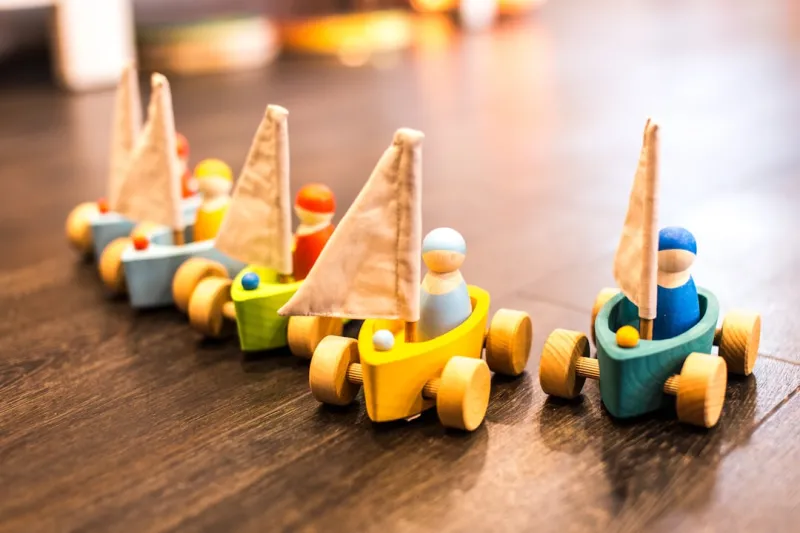
When I first introduced Eli to a set of sustainably sourced wooden trains, his fascination with the smooth grain and the soft click of the couplers sparked a conversation about forests, growth cycles, and the people who tend them. The moment a child asks “why does this train feel different?” is a golden opportunity for parents to weave narratives about responsible sourcing, renewable resources, and the joy of supporting artisans who prioritize the earth. In my experience, these organic moments of wonder are far more memorable than any glossy advertisement, and they lay the groundwork for a lifelong habit of asking “where does this come from?” before reaching for the next shiny toy.
Choosing Toys That Teach Eco‑Conscious Values
Shopping for toys today feels like navigating a maze of labels—“BPA‑free,” “recyclable packaging,” “eco‑friendly dyes”—and it’s easy to become overwhelmed, yet the key is to focus on the story each product tells and the values it embodies. I always start by checking the material provenance: is the wood FSC‑certified, are the fabrics organic cotton, and does the manufacturer disclose a clear carbon‑offset strategy? When these questions are answered with transparency, the toy instantly earns a place in my household, because I know it aligns with the message I want to convey to my children about mindful consumption.
Beyond materials, I look for toys that encourage open‑ended play, allowing kids to invent, build, and re‑imagine without being confined to a single narrative—think modular building sets made from recycled cardboard or magnetic tiles that can be taken apart and reconfigured endlessly. Such toys foster problem‑solving skills while subtly reinforcing the principle of reuse, as children learn that the same pieces can create countless worlds, mirroring the circular economy I hope to model for them. When a toy can be both an educational tool and a catalyst for discussion about waste reduction, it becomes an essential part of a family’s sustainability toolkit.
DIY Upcycling Projects for Classic Toys
One of my favorite weekend rituals involves rescuing forgotten toys from the attic and giving them a second life through simple, creative upcycling projects that turn junk into treasure while teaching kids the value of resourcefulness. For example, an old set of plastic army men can be sanded, painted with non‑toxic inks, and repurposed as garden markers, while a broken dollhouse can become a whimsical bookshelf or a play‑kitchen for stuffed animals after a fresh coat of low‑VOC paint. These hands‑on activities not only reduce landfill waste but also empower children to see themselves as problem‑solvers, capable of turning “trash” into something beautiful and useful.
Here are three quick upcycling ideas that have become family favorites:
- Cardboard Castle Revival: Cut, fold, and tape sturdy cardboard boxes into towering forts, then let kids decorate with markers, stickers, and reclaimed fabric scraps for banners.
- Plastic Bottle Bowling: Clean empty soda bottles, fill them partially with sand, and arrange them as pins for an indoor bowling alley that promotes hand‑eye coordination and reuse.
- Fabric Scrap Puppets: Stitch together leftover fabric pieces, stuff them with cotton batting, and add googly eyes for an impromptu puppet show that celebrates textile waste reduction.
Each project invites conversation about material cycles, and the pride children feel when they see their handiwork displayed on a shelf reinforces the idea that sustainable choices can be both fun and rewarding.
Tech‑Savvy Play: Sustainable Gaming for Kids
In today’s digital age, gaming has become a cornerstone of childhood entertainment, and I’ve learned that not all screen time is created equal—some games actually champion environmental stewardship, turning virtual quests into real‑world lessons. Tyler Johnson’s recent feature on Gaming Green showcases how developers are embedding carbon‑offset mechanics, renewable‑energy themes, and in‑game recycling challenges that inspire young players to think critically about their ecological footprint while they level up. When my daughter, Maya, earns a “tree‑planting badge” for completing a sustainability mission in a popular sandbox game, she proudly announces that she’s “saving the world”—a sentiment that easily translates to planting actual seeds in our backyard.
Similarly, the article Leveling Up Green highlights the rise of consoles built with recycled aluminum and biodegradable packaging, proving that the hardware itself can be part of the solution. I now prioritize games that offer offline, low‑energy modes and encourage physical activity, such as motion‑controlled adventures that double as exercise sessions, thereby reducing the overall power draw of a gaming session. By selecting titles and platforms that embed sustainability into their core design, parents can turn a screen‑time habit into an educational experience that aligns with the broader mission of raising environmentally conscious citizens.
Future‑Focused Playrooms: Design Tips for Parents
Creating a playroom that nurtures both imagination and eco‑awareness starts with thoughtful layout, natural lighting, and the intentional placement of sustainable toys that invite exploration without overwhelming the senses. I recommend opting for reclaimed wood shelving, which not only adds warmth but also tells a story of reuse, and pairing it with storage bins made from recycled plastic that are labeled with simple, child‑friendly icons indicating “reuse,” “share,” or “repair.” When the space feels organized and beautiful, children are more inclined to respect the toys within it, treating each item as a valued part of their daily routine rather than a disposable novelty.
Another essential element is incorporating a “creative corner” stocked with recycled art supplies—think paper rolls, cardboard tubes, and non‑toxic paints—so that kids can extend their play beyond manufactured products and into the realm of imagination-driven creation. I also love adding a small indoor garden or a set of potted herbs, giving children a tangible connection to the living world and reinforcing lessons about growth, care, and the importance of nurturing the planet. By blending functional design with intentional sustainability cues, the playroom becomes a living classroom where every game, craft, and story subtly reinforces the values we hope to instill in the next generation.
Balancing Fun and Responsibility: The Parent’s Role
While the market offers an ever‑growing array of green toys, the ultimate responsibility lies with parents to model the behavior we wish to see, demonstrating that mindful consumption is not a chore but a joyful part of everyday life. I make it a habit to involve Eli and Maya in the decision‑making process, asking them to weigh the pros and cons of a new toy versus a donation to a local charity, thereby turning purchasing power into a teachable moment about empathy and community impact. When children witness their parents opting for a second‑hand LEGO set or repairing a broken action figure instead of buying a brand‑new replacement, they internalize the principle that value is not solely measured by novelty.
Moreover, setting aside regular “toy audit” days—where the family reviews each item, discards what’s broken beyond repair, and decides what can be donated or repurposed—creates a routine that normalizes the concepts of reuse and stewardship. These audits become an opportunity for reflection, celebration of creativity, and a gentle reminder that the toys we cherish today can serve new purposes tomorrow, reinforcing a cycle of care that extends far beyond the walls of our home.
Community Connections: Extending Sustainable Play Beyond Home
One of the most rewarding aspects of my journey with eco‑friendly toys has been discovering vibrant community networks where families share tips, swap gently used items, and co‑host workshops on upcycling and sustainable crafting. Local libraries often run “toy exchange” events, turning the traditional holiday gifting frenzy into a collaborative celebration of reuse, while schools increasingly incorporate green play principles into their curricula, encouraging students to design biodegradable game pieces or host “repair cafés” for broken toys. By participating in these initiatives, my children have learned that sustainability is a collective effort, not an isolated personal choice.
These community experiences also introduce children to the concept of “circular economies” at a young age, showing them how items can flow between households, schools, and charitable organizations, each time gaining new life and purpose. When Maya proudly handed a refurbished wooden puzzle to a new friend during a neighborhood playdate, she expressed a simple truth: “It’s okay to give things a second chance.” Such moments reaffirm my belief that the most powerful lessons come from real‑world interactions, where the abstract idea of sustainability becomes a tangible, shared adventure.
Looking Ahead: The Future of Sustainable Toys
As technology continues to evolve and consumer awareness deepens, I foresee a new wave of toys that seamlessly blend biodegradable materials, modular design, and AI‑driven learning to create experiences that are both engaging and environmentally responsible. Imagine a smart plush companion made from plant‑based fibers that monitors a child’s mood and offers calming stories, all while being fully compostable at the end of its life cycle—a perfect marriage of empathy and eco‑conscious engineering. Companies that invest in such innovations are not only meeting market demand but also setting a precedent for an industry that can thrive without compromising the planet.
In the meantime, my mission remains simple: continue to curate a collection of toys that spark wonder, teach responsibility, and embody the values of a greener tomorrow. By staying curious, sharing knowledge, and supporting brands that prioritize sustainability, we can ensure that the next generation inherits a world where play and planetary health go hand in hand. After all, the games we play today lay the foundation for the solutions our children will create tomorrow.

In the world of freelance writing, where creativity and adaptability are paramount, Michelle Fisher stands out as a dedicated and versatile professional. With a passion for crafting compelling narratives and a keen eye for detail, Michelle has established herself as a trusted voice.
Related Posts
Play with Purpose: The Rise of Sustainable Toys in 2024
Explore the booming world of sustainable toys, learn how eco‑friendly play nurtures young minds, a... Read More
Playful Planet: How Sustainable Toys Are Redefining Childhood Fun
Miranda Murphy explores the booming world of sustainable toys, offering tips on materials, packaging... Read More
The Rise of Sustainable Toys: A New Era of Eco-Friendly Play
The toy industry is undergoing a revolution, with eco-friendly toys leading the way. Learn about the... Read More
Top Posts

Raising a Greener Generation: How Parents Can Teach Sustainability
As a parent, you have a unique opportunity to shape your child's values and behaviors. Teaching sustainability is crucial for creating a better future, and it s...Read More
The Future of Business: How Technology is Revolutionizing Industries
The future of business is being shaped by technology. From AI to sustainable shopping, learn how the latest trends and innovations are revolutionizing industrie...Read More
Eco-Friendly Home Makeover: Sustainable Decor Ideas for a Greener Space
Create a sustainable home makeover with eco-friendly decor ideas. Discover how to incorporate sustainable materials, lighting, plants, and natural elements into...Read More
The Power of Networking in Sustainability: A Key to Unlocking a Greener Future
Networking plays a crucial role in creating a better future for our planet. By building connections with like-minded individuals and organizations, we can share...Read More
0 Comments
Post Comment
You will need to Login or Register to comment on this post!