
Why Pop‑Up Classrooms Matter
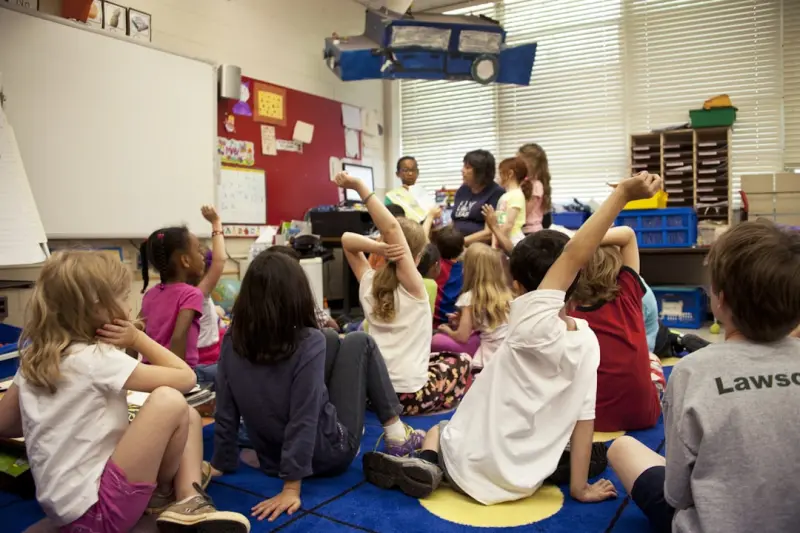
Education has long been confined to four‑wall classrooms, yet the world outside those walls is bursting with teachable moments that traditional schools often overlook; the rise of pop‑up classrooms reclaims sidewalks, parks, and community centers as fertile ground for curiosity, turning everyday spaces into dynamic learning ecosystems. When learning meets lived experience, students develop a deeper sense of relevance and agency, discovering that knowledge is not a static commodity but a fluid conversation between people and place. This shift challenges the notion that quality education requires permanent infrastructure, instead championing flexibility, responsiveness, and community ownership. By embedding instruction in the rhythms of daily life, pop‑up classrooms nurture resilience, adaptability, and a lifelong love of learning that transcends exam scores and grade levels.
Historical Roots of Community‑Based Learning
Before the industrial age cemented the schoolhouse as the default learning venue, villages relied on itinerant teachers, apprenticeships, and shared gatherings to pass skills from one generation to the next, creating a tapestry of informal education that was as diverse as the communities it served. Modern educators can draw inspiration from these traditions, recognizing that learning thrives when it is situated, collaborative, and tied to the local economy; this heritage validates the pop‑up model as a contemporary revival rather than a radical departure. By studying historic precedents, we see that knowledge transfer has always been a communal act, reinforced by shared rituals, stories, and hands‑on practice. Embracing this lineage empowers schools to partner with neighborhoods, honoring the past while innovating for the future.
Core Benefits of Flexible Learning Spaces
Flexibility is the cornerstone of pop‑up classrooms, granting educators the ability to tailor environments to specific projects, seasonal themes, or emerging community needs without the constraints of fixed timetables or budgets. These temporary venues foster a sense of novelty, which research links to heightened attention and retention, as learners are more likely to engage when surroundings feel fresh and purposeful. Moreover, pop‑up settings democratize access, inviting families who might feel alienated by conventional school structures to participate in low‑threshold, welcoming experiences. The fluid nature of these spaces also encourages interdisciplinary exploration, allowing science experiments to spill into art projects and civic discussions to blossom alongside math puzzles, thereby breaking down silos that often hinder holistic understanding.
Design Principles for Effective Pop‑Up Classrooms
Successful pop‑up classrooms begin with intentional design that balances practicality with imagination, selecting locations that are safe, visible, and easily reachable by pedestrians, cyclists, or public transit; vacant storefronts, library courtyards, and community garden plots frequently meet these criteria. Materials should be lightweight, modular, and reusable—think collapsible tables, portable whiteboards, and stackable storage bins—so that setup and teardown are swift and sustainable. Visual cues such as bold signage, color‑coded zones, and flexible furniture arrangements signal to participants that they are entering a purposeful learning environment rather than an ad‑hoc gathering. Incorporating local artwork, cultural symbols, and student‑created displays further roots the experience in community identity, fostering pride and a sense of ownership among all stakeholders.
Leveraging Local Partnerships for Resource Sharing
Pop‑up classrooms thrive when schools cultivate symbiotic relationships with nearby businesses, non‑profits, and civic institutions, turning what might be idle assets into vibrant educational resources; a coffee shop may donate surplus tables, a hardware store could provide tools for a DIY engineering module, and a public library might host after‑hours workshops. These collaborations not only alleviate financial pressures but also embed learning within the economic fabric of the neighborhood, illustrating real‑world applications of classroom concepts. When local entrepreneurs mentor students or share expertise, the boundary between academic theory and practical skill blurs, reinforcing the relevance of curricula. In turn, partners benefit from heightened community visibility and the goodwill that arises from supporting youth development.
Technology Integration Without Overreliance
While digital tools can amplify the reach and impact of pop‑up classrooms, the model deliberately emphasizes low‑tech, tactile experiences that encourage face‑to‑face interaction and hands‑on discovery; a simple set of measuring tapes, recycled cardboard, and a shared sketchbook can spark the same curiosity as a sophisticated tablet. Nevertheless, strategic use of technology—such as portable Wi‑Fi hotspots, QR‑coded lesson guides, or open‑source learning platforms—can extend participation, allowing students to document findings, collaborate remotely, or access supplemental resources. The key is to view technology as a bridge rather than a crutch, ensuring that the core of learning remains rooted in embodied practice and community dialogue.
Case Study: The Riverside Learning Hub
In a modest town along the riverbank, a coalition of teachers, parents, and a nearby bike shop transformed an unused dockside pavilion into a thriving pop‑up classroom that operates three afternoons each week, focusing on environmental science and civic design; students measure water quality, design biodegradable floating devices, and present proposals to municipal officials. Over six months, participation grew from ten curious youngsters to a diverse group of families, retirees, and local artists, all contributing expertise, materials, or mentorship. The initiative not only improved river health awareness but also sparked a community‑wide cleanup campaign, illustrating how a modest, temporary space can catalyze lasting social change. This success story underscores the scalability of the model: with modest resources, any neighborhood can seed its own hub of inquiry and action.
Connecting to Immersive Skill‑Building
While pop‑up classrooms excel in the physical realm, they can also serve as launch pads for digital exploration, bridging tangible projects with immersive environments that deepen understanding; for example, after constructing a solar‑powered lantern in a community garden, students might don affordable VR headsets to visualize energy flow in a simulated cityscape, reinforcing concepts through multiple modalities. Such blended approaches honor the strengths of both worlds, offering learners a holistic experience that is both grounded and expansive. To explore how immersive technology can complement hands‑on learning, read more about skill‑building in immersive environments, which provides practical tips for integrating virtual simulations into community‑driven curricula.
Call to Action: Ignite Your Neighborhood’s Learning Potential
Educators, parents, and civic leaders are invited to reimagine the spaces around them as canvases for curiosity, beginning with a simple inventory of vacant lots, underused rooms, or enthusiastic volunteers ready to share expertise; from there, a roadmap can be drawn that outlines objectives, resources, and a timeline for launching a pilot pop‑up classroom. By documenting successes, challenges, and student voices, these micro‑initiatives become data points that inform broader policy discussions on flexible education models. The momentum generated by one neighborhood can ripple outward, inspiring districts and municipalities to allocate funding, streamline permitting, and embed pop‑up learning into strategic plans. Ultimately, when communities claim ownership of their educational destiny, they cultivate generations of empowered, adaptable thinkers who view the world not as a static syllabus but as an ever‑expanding laboratory of possibility.

Margaret Thomson is a seasoned freelance writer specializing in the dynamic worlds of marketing and advertising. With a career deeply rooted in the marketing field, Margaret brings a wealth of practical experience and insightful knowledge to her writing.
Related Posts

Micro‑Credentials and Skill Graphs: Redefining Corporate Learning
Micro‑credentials, skill graphs, and AI‑enhanced audio are turning corporate education into a co... Read More
Learning Communities: The Catalyst for Sustainable Corporate Skill Building
Learning communities turn isolated training into collaborative ecosystems, boosting engagement, rete... Read More

How Micro‑Credentials Are Redefining Professional Learning
Micro‑credentials are reshaping career growth by offering focused, stackable badges that prove spe... Read More
Top Posts
Conversation‑First Marketing: Turning Data Into Real‑Time Dialogue
Explore a fresh marketing mindset that prioritizes real‑time, two‑way conversations, aligns with Revenue Operations, and leverages AI and community co‑cre...Read More

Branding Reinvented: Sensory Storytelling & Identity
Learn to turn branding into a multisensory journey and an adaptive system that grows with your audience, using real‑world examples and actionable tactics....Read More

Why Low‑Code Platforms Are the Unsung Heroes of Digital Transformation
Low‑code platforms are reshaping how enterprises build applications, delivering speed, cost savings, and broader talent involvement without sacrificing qualit...Read More

The Invisible Clean: How Circular Chemistry is Revolutionizing Eco‑Cleaning
Explore the concept of Circular Cleaning—refillable systems, transparent ingredients, and closed‑loop practices—that turns routine cleaning into a zero‑...Read More
0 Comments
Post Comment
You will need to Login or Register to comment on this post!