
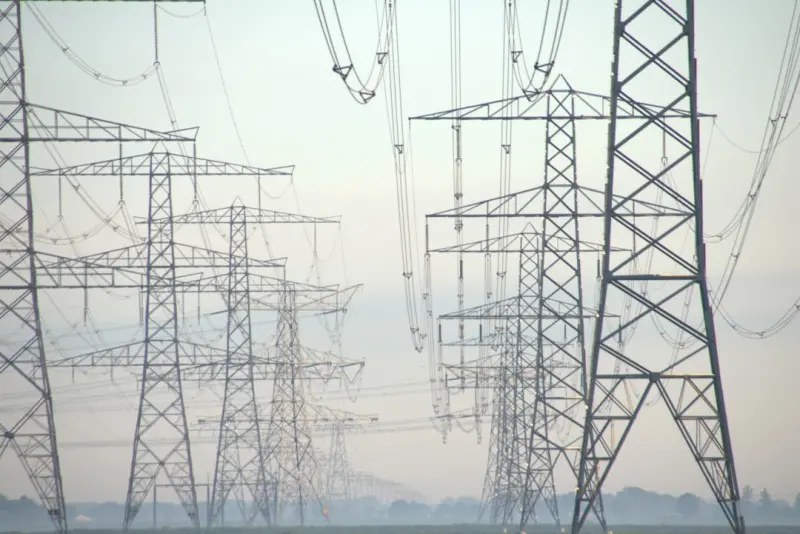
Why Energy‑as‑a‑Service Is the Quiet Revolution Businesses Can’t Afford to Miss
When I first walked into a data center last summer, the hum of servers felt like a modern‑day choir. Each rack sang its own note, but together they formed a powerful chorus that kept the world moving. Yet, behind that music, there was a hidden cost: electricity. The more we demand from our digital tools, the louder that chorus gets, and the heavier the price tag on our balance sheets.
In the past, energy was a commodity we bought, used, and hoped the bill wouldn’t shock us. Today, the conversation is shifting from “how much do we spend?” to “how can we turn energy into a strategic asset?” This shift is what I call the Energy‑as‑a‑Service (EaaS) model, and it’s quietly redefining how forward‑thinking companies think about sustainability, resilience, and profitability.
From Commodity to Service: The Core Premise of EaaS
Think about the evolution of software. We moved from buying boxed products to subscribing to cloud services that scale with demand. The same logic applies to power. Instead of purchasing megawatts outright, businesses now contract a service that delivers the exact amount of clean, reliable energy they need, when they need it.
- Predictable Costs – Monthly subscription‑style fees replace volatile spot‑market pricing.
- Scalable Supply – As your company grows, the energy service scales without you having to build new infrastructure.
- Performance Guarantees – Service Level Agreements (SLAs) ensure uptime, quality, and carbon‑offset metrics.
The result is a win‑win: enterprises get the reliability they crave, and providers can optimize generation assets using sophisticated AI‑driven forecasting.
Why Traditional Energy Strategies No Longer Cut It
For decades, many corporations relied on a three‑pronged approach: long‑term power purchase agreements (PPAs), on‑site solar installations, and carbon offsets. While each of these tactics still has value, they’re increasingly siloed and inflexible:
- PPAs lock you into a fixed volume, regardless of fluctuating demand.
- On‑site solar requires capital outlay and ongoing maintenance—often a burden for non‑core business units.
- Carbon offsets can feel like a band‑aid, especially when the underlying consumption patterns remain unchanged.
Enter EaaS, which stitches those pieces together into a single, data‑rich contract. The service provider monitors real‑time usage, predicts peaks, and pulls energy from the cleanest sources available—whether that’s a nearby wind farm, a battery storage facility, or a hybrid solar‑plus‑hydrogen plant.
The Data Engine Behind Energy‑as‑a‑Service
At the heart of EaaS lies a powerful data engine that mirrors the analytics platforms we’ve grown accustomed to in SaaS. Sensors on the grid feed kilowatt‑hour (kWh) consumption data into a central dashboard. Machine‑learning models then:
- Identify usage patterns across departments.
- Forecast demand spikes weeks in advance.
- Match those spikes with the most cost‑effective, low‑carbon generation sources.
This level of granularity lets companies answer questions like “Did our new remote‑work policy actually increase overall energy consumption?” or “Which product line is the biggest energy hog?” The answers empower leaders to make informed, strategic decisions rather than guessing.
Case Study: A Mid‑Size Manufacturing Firm Cuts Energy Spend by 22%
Consider the story of Arcade Tools, a mid‑size manufacturer that partnered with an EaaS provider six months ago. Using a custom analytics portal, they discovered that their night‑shift lighting and HVAC systems were running at 80% capacity, even when the floor was largely empty.
With the provider’s recommendation, they shifted a portion of the night‑shift load to a nearby battery‑storage array, which is cheaper during off‑peak hours. Simultaneously, the provider supplied renewable energy for daytime production, meeting the firm’s sustainability goals.
The result? A 22% reduction in total energy costs and a 15% improvement in carbon‑intensity metrics—all achieved without any capital expense on the part of Arcade Tools.
How EaaS Aligns With ESG Goals
Environmental, Social, and Governance (ESG) reporting has become a boardroom staple. Yet many firms struggle to turn ESG ambitions into concrete, measurable outcomes. EaaS provides a built‑in reporting framework:
- Carbon Footprint Tracking – Real‑time data shows exactly how many pounds of CO₂ were avoided thanks to renewable sourcing.
- Social Impact – Providers often partner with community micro‑grids, meaning your energy spend also supports local jobs.
- Governance – Transparent contracts and third‑party audits guarantee compliance with emerging regulations.
By integrating these metrics into existing ESG dashboards, finance teams can seamlessly tie energy performance to broader sustainability KPIs.
Overcoming Common Misconceptions
When I first introduced the concept of EaaS to a senior leadership team, the room filled with three familiar objections:
- “We’ll lose control over our power source.” The reality is the opposite: you gain a real‑time view of every kilowatt used, plus the option to switch sources on demand.
- “It’ll be more expensive than buying outright.” While the headline price may appear higher, the hidden costs of maintenance, downtime, and carbon penalties disappear under the service model.
- “Our IT infrastructure can’t handle another SaaS platform.” Modern EaaS solutions are API‑first and integrate with existing ERP or energy‑management systems. Think of them as another data stream you already manage.
Addressing these concerns early helps accelerate adoption and builds confidence across the organization.
The Role of Emerging Technologies
Energy‑as‑a‑Service isn’t a standalone idea—it thrives on a confluence of emerging tech. Here are three that are particularly influential:
- Blockchain for Energy Trading – Decentralized ledgers enable peer‑to‑peer energy swaps, ensuring transparency and reducing transaction costs.
- IoT‑Enabled Smart Meters – High‑resolution data points feed the predictive models that drive the service.
- Edge Computing – By processing data close to the source, latency drops, making real‑time load balancing possible.
When you combine these ingredients, the EaaS ecosystem becomes a living, adaptive network—much like the Living Content platforms that evolve with each reader interaction.
Choosing the Right Partner: A Checklist
Not every energy provider can deliver a true EaaS experience. Use this checklist to vet potential partners:
- Data Transparency – Look for open APIs and customizable dashboards.
- Renewable Portfolio – Verify the mix of wind, solar, hydro, and storage assets.
- SLAs and Guarantees – Ensure uptime and carbon‑offset commitments are contractually defined.
- Scalability – The provider should support growth across geographies and business units.
- Integration Capability – Seamless connection with existing ERP, BMS, or sustainability tools is a must.
Companies that perform diligent partner research tend to see faster ROI and higher employee satisfaction—because their facilities never experience an unexpected outage.
Future‑Proofing Your Energy Strategy
Just as we moved from monolithic software to micro‑services, the energy sector is transitioning to modular, service‑oriented architectures. By adopting EaaS now, you’re not only cutting costs—you’re future‑proofing your operation against:
- Regulatory shifts that penalize carbon‑heavy consumption.
- Market volatility in fossil‑fuel pricing.
- Technological disruptions like vehicle‑to‑grid (V2G) and hydrogen blending.
Think of EaaS as the plugin‑first mindset for energy: a modular add‑on that can be swapped, upgraded, or expanded without overhauling the entire system.
Getting Started: A Practical First‑Step Plan
If you’re convinced but unsure how to begin, follow this three‑phase roadmap:
- Audit & Baseline – Use existing meters or install temporary IoT sensors to capture a month of data. Identify peaks, waste, and low‑efficiency assets.
- Partner Selection – Run RFPs against the checklist above, and ask for a pilot that targets a single site or department.
- Iterate & Scale – Evaluate pilot results, refine the data model, then roll out the service across the enterprise, adjusting SLAs as needed.
This incremental approach reduces risk and provides tangible proof points for stakeholders.
Conclusion: Energy as a Strategic Lever, Not a Cost Center
The era of treating electricity as a static line item is ending. In its place rises a dynamic, data‑driven service that aligns financial performance with sustainability objectives. By embracing Energy‑as‑a‑Service, businesses can unlock hidden efficiencies, meet ESG mandates, and build resilient operations ready for whatever the grid throws at them.
So the next time you glance at that blinking energy meter, ask yourself: Am I watching a cost, or am I witnessing a strategic lever? The answer could reshape the way your organization powers its future.

Laura Wilson is a freelance writer specializing in the dynamic and ever-evolving field of health. With a passion for translating complex medical information into accessible and engaging content, Laura brings a wealth of knowledge and a fresh perspective to topics ranging from preventative care and nutrition to cutting-edge research and innovative treatments.
Related Posts
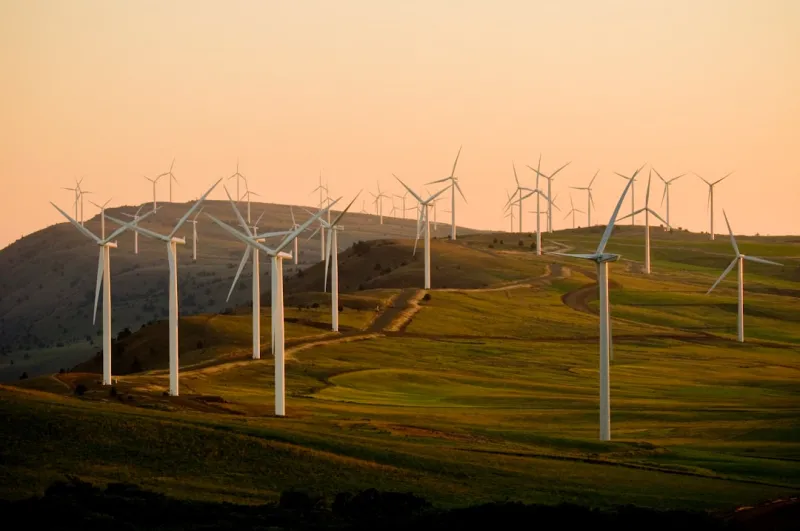
The Future of Energy: How Sustainable Practices are Revolutionizing the Industry
The energy industry is undergoing a significant transformation, driven by the need for sustainable p... Read More

Microgrids and Community Power: Building Resilient Energy Futures
Microgrids enable neighborhoods to generate, store, and manage their own power, fostering resilience... Read More

Unlocking Hidden Energy Capital for Business Growth
Energy isn’t just kilowatts on a bill; it’s the silent driver of productivity, cost efficiency, ... Read More
Top Posts

Micro‑Frontends: Scaling Front‑End Development Without Chaos
A deep dive into micro‑frontends, covering their benefits, architecture patterns, tooling, and practical steps to adopt them without overwhelming your web dev...Read More
The Rise of Entity‑First SEO: Why Search Engines Want Facts, Not Fluff
Entity‑first SEO shifts focus from keyword density to the underlying concepts that power search engines. Discover practical steps to map entities, implement s...Read More

Beyond the Prompt: A Human‑First Playbook for AI‑Powered Online Safety
A step‑by‑step guide shows how to safeguard sensitive information while leveraging AI assistants, covering prompt engineering, secure hardware, logging, and...Read More

Designing a Baby‑Friendly Play Space That Grows With Them
A step‑by‑step guide to building a safe, sensory‑rich play environment that adapts from newborn to toddler, featuring natural cleaning tips and simple org...Read More
0 Comments
Post Comment
You will need to Login or Register to comment on this post!