
Why Industrial Products Need a New Narrative
Walking the factory floor today feels like stepping onto a stage where tradition meets tomorrow, and I can’t help but notice how the clang of machinery is now accompanied by the hum of data streams and renewable power sources. The industrial innovation conversation has shifted from pure output to holistic impact, demanding that every bolt, belt, and sensor be evaluated not just for efficiency but for its ecological fingerprint. As someone who’s spent years balancing design aesthetics with functional performance, I see this as an invitation to rewrite the story of how we build the backbone of modern society.
From Wasteful Practices to Circular Thinking
Decades of linear production have left a legacy of waste that clogs landfills and inflates carbon footprints, forcing us to confront the reality that “more” is no longer synonymous with “better.” Embracing circular principles means reimagining every component as a reusable resource, turning what was once discarded into a feedstock for the next generation of equipment. This mindset not only cuts costs but also builds resilience into supply chains that have historically been vulnerable to geopolitical and environmental shocks.
Digital Twins and Real‑Time Insights
The rise of digital twins has turned static schematics into living, breathing models that can predict wear, optimize energy use, and flag safety concerns before they become crises. By feeding sensors with continuous data, manufacturers can fine‑tune processes on the fly, reducing unnecessary energy spikes and extending the lifespan of costly machinery. This level of insight is the bridge between legacy production lines and a future where every operation is as smart as the software that runs it.
Material Innovation: Beyond Steel and Plastic
Traditional alloys and polymers have served us well, but their extraction and disposal are increasingly untenable under stricter environmental regulations and rising consumer expectations. Engineers are now experimenting with bio‑based composites, recycled aluminum, and even 3D‑printed lattice structures that achieve strength without excess material. When a component can be produced lighter yet retain durability, the downstream benefits ripple through logistics, installation, and end‑of‑life recycling.
Modular Design: Flexibility Meets Sustainability
Imagine a production line where each machine is a plug‑and‑play module, capable of being swapped, upgraded, or repurposed with minimal downtime. This modular approach not only accelerates innovation cycles but also reduces the need for complete equipment overhauls, aligning perfectly with circular economy goals.
- Standardized interfaces simplify maintenance.
- Scalable components grow with demand.
- End‑of‑life parts become valuable assets rather than waste.
By treating every unit as a building block, manufacturers can respond to market shifts without generating excess scrap.
Supply Chain Transparency and the Quiet Revolution
One of the biggest obstacles to sustainable industrial production is the opacity of global supply chains, where a single raw material can travel continents before reaching a factory floor. Leveraging blockchain and IoT tracking, companies now have the ability to certify the origin, carbon intensity, and ethical standards of each component. This newfound visibility is part of what I like to call the quiet revolution powering our world, a movement that transforms trust into measurable, actionable data.
Powering Factories with Clean Energy
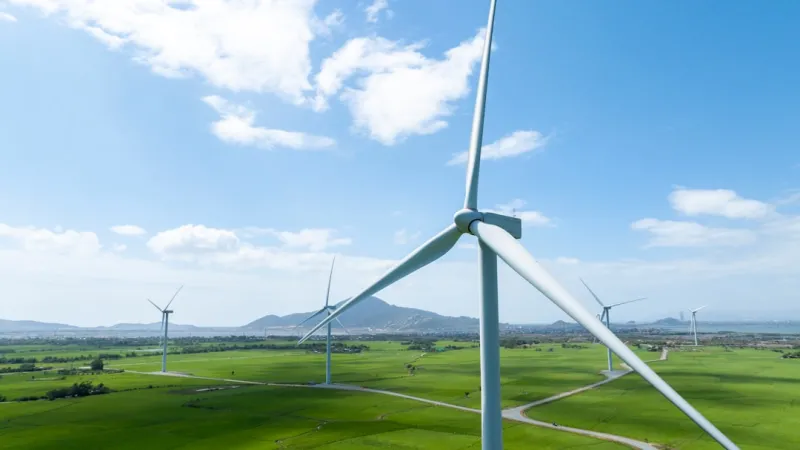
Renewable energy integration is no longer a niche project; it’s becoming a baseline requirement for modern industrial sites seeking both cost stability and carbon neutrality. From on‑site solar arrays to wind‑paired battery storage, factories can now generate, store, and dispatch power in ways that mirror the flexibility of their production schedules. My own journey through this transition is chronicled in empowering everyday choices: a personal journey through modern energy, where I discovered that the real payoff is a resilient grid that shields operations from volatile fossil‑fuel markets.
Artificial Intelligence as a Sustainability Catalyst
AI algorithms are now being trained to spot inefficiencies that human eyes might miss, such as subtle temperature variations that signal energy waste or predictive maintenance windows that prevent catastrophic failures. When these systems are fed accurate, real‑time data, they can orchestrate production schedules that align with renewable energy availability, effectively turning factories into responsive participants in the broader energy ecosystem. This synergy not only trims operational costs but also amplifies the positive environmental impact of every manufactured unit.
Calling the Industry to Action
The path forward demands collaboration across engineering, design, and policy, with each stakeholder championing sustainable choices that collectively reshape the industrial landscape. By adopting modular designs, embracing renewable power, and demanding transparent supply chains, we can turn the industrial sector from a carbon heavyweight into a beacon of innovation. Let’s seize this momentum, share our successes, and build a future where every product we produce carries the imprint of responsibility and resilience.

Steph Sanderson is a Toronto-based freelance writer and content creator with a clear passion: crafting compelling articles. With a dedication to clear, engaging prose and a knack for storytelling, Steph brings a wealth of experience to every project.
Related Posts
The Role of Industrial Products in Sustainable Development
The industrial sector plays a crucial role in shaping our environmental future. Learn how industrial... Read More
The Shift Towards Sustainable Industrial Practices
The industrial sector has a significant impact on the environment, but sustainable practices can hel... Read More
The Evolution of Sustainable Industrial Products: A New Era for Manufacturers
The industrial sector is transforming with the shift towards sustainable industrial products. Learn ... Read More
Top Posts

Building a Sustainable Network: The Key to Long-Term Success
Building a sustainable network requires effort, dedication, and a commitment to sustainable practices. Learn how to create a community that is truly sustainable...Read More

The Power of Social Media in Shaping Sustainable Lifestyles
Social media plays a vital role in shaping sustainable lifestyles and promoting eco-friendly practices. Learn how to leverage social media platforms, influencer...Read More

Why Mobile Apps Are the Next Frontier for Sustainable Tech
Explore the rise of eco‑friendly mobile apps, from energy‑smart design to sustainable monetization, and learn how developers can lead the green tech revolut...Read More

Embracing Sustainable Home Practices for a Greener Tomorrow
Learn how to make your home more sustainable with simple swaps, reducing waste, and incorporating eco-friendly materials into your decor and design. Start your ...Read More
0 Comments
Post Comment
You will need to Login or Register to comment on this post!