

Rewilding Your Routine: How Micro‑Escapes Turn Everyday Spaces into Adventure Hubs
When I first swapped my downtown commute for a 15‑minute walk through a city park, I expected a simple mood lift. What I didn’t anticipate was the cascade of tiny, intentional shifts that rewired my entire approach to work, family, and personal well‑being. I call it “rewilding your routine”—the practice of sprinkling deliberate, nature‑infused moments throughout the day, no matter how cramped your schedule or how concrete‑bound your environment.
Why Micro‑Escapes Matter More Than Grand Getaways
There’s a cultural myth that the antidote to stress is a week‑long retreat in the wilderness. While there’s undeniable value in unplugging for a few days, most of us can’t afford to press “pause” on life indefinitely. The science is clear: short, frequent exposure to natural elements triggers measurable drops in cortisol, improves focus, and even boosts creative problem‑solving. The secret isn’t the length of the escape; it’s the frequency and intentionality.
Research from environmental psychology shows that as little as five minutes of nature contact can restore attention fatigue. This is the principle behind “micro‑escapes”—brief, purposeful interactions with the outdoors that fit seamlessly into a workday or a family routine. Think of them as “nature power‑ups” you can press whenever you feel the need for a mental reset.
Mapping Out Your Micro‑Escape Landscape
Before you can embed nature into your life, you need to scout the terrain of your everyday world. Grab a notebook or your favorite note‑taking app and ask yourself:
- Where do I spend the most idle moments? (e.g., waiting for coffee, commuting, lunch breaks)
- Which nearby green spaces are accessible by foot or a short bike ride?
- What natural textures or sounds can I introduce into my indoor environment?
Answering these questions reveals hidden pockets of opportunity. In my own case, the most valuable asset turned out to be a modest community garden tucked behind the office building—a space I hadn’t noticed because I never looked for it.
Designing the Perfect Micro‑Escape
Not every micro‑escape needs to be a full‑on hike. Here are five adaptable formats you can tailor to any setting:
1. The “Window‑Watch” Reset
Position yourself near a window that frames a tree line, a water feature, or even a bustling bird feeder. Set a timer for five minutes, close your laptop, and simply observe. The rhythmic sway of leaves or the distant chatter of wildlife can serve as a natural metronome, soothing the brain’s default mode network.
2. The “Pocket Trail” Stroll
Identify a short, scenic route—perhaps a loop around a park, a riverside path, or a series of city plazas with green installations. Walk it once a day, paying attention to the sensations under your feet, the temperature of the air, and the scents that drift by. Use the rhythm of your steps to anchor your thoughts, turning a mundane walk into a moving meditation.
3. The “Sensory Snack” Break
Bring a small, nature‑inspired kit to work: a pinecone, a smooth river stone, a scented candle made from cedar or eucalyptus, and a miniature notebook for quick sketches. When stress spikes, spend a minute running your fingers over the textures, inhaling the scent, and doodling what comes to mind. This tactile ritual taps into the Sensory Turn that’s reshaping how brands—and now individuals—engage with the world.
4. The “Sunrise Sip” Ritual
Set your alarm fifteen minutes earlier and step onto a balcony, rooftop, or a nearby hill to watch the sunrise with a warm beverage. The gradual light shift triggers melatonin regulation, gently easing you into alertness. Over time, this ritual conditions your body to associate natural light with productivity, reducing reliance on caffeine.
5. The “Micro‑Forage” Quest
If you have access to a safe, responsibly managed green space, experiment with seasonal foraging: collect edible wild greens, berries, or nuts. Even if you only gather a handful, the act of seeking sustenance from the land reconnects you with primal rhythms and can inspire healthier eating habits. Always consult local guidelines and experts before foraging.
Tech as a Companion, Not a Distraction
It’s easy to view technology as the enemy of authentic outdoor experiences, but the right tools can amplify the benefits of micro‑escapes. For instance, low‑profile audio guides can teach you to identify bird calls during a pocket trail, while lightweight air‑quality monitors give instant feedback on the health of the environment you’re inhabiting.
That said, it’s crucial to set boundaries. Use the Untold Risks framework to audit any app you bring into nature—ensure it doesn’t track your location unnecessarily or bombard you with notifications. The goal is to let nature be the primary source of stimulation, not a digital overlay.
Integrating Micro‑Escapes into Team Culture
When I shared my micro‑escape experiments with my remote team, the response was surprisingly enthusiastic. We introduced “green check‑ins” during our weekly stand‑ups: each member described a brief nature interaction they’d experienced that week. The practice yielded two immediate outcomes:
- Enhanced mental clarity: Team members reported sharper focus after the check‑ins, attributing it to the short resets they’d taken.
- Strengthened camaraderie: Sharing personal moments of nature fostered a sense of shared vulnerability and authenticity, deepening trust.
Consider rolling out a similar initiative in your organization. Provide a modest budget for portable seating mats, portable bird‑watching guides, or even a small indoor plant that can serve as a “nature anchor” for virtual meetings.
Seasonal Strategies for Year‑Round Micro‑Escapes
Nature’s palette changes dramatically throughout the year, offering fresh cues for micro‑escapes. Here’s a quick seasonal cheat sheet:
Spring
Focus on renewal. Incorporate brief “seed‑planting” moments—whether it’s sowing herbs on a windowsill or participating in a community planting day. The act of nurturing life sparks optimism and a sense of forward momentum.
Summer
Leverage longer daylight hours for extended pocket trails. Bring a reusable water bottle infused with citrus and take “hydration pauses” under the shade of a tree, using the pause to practice mindful breathing.
Fall
Engage your senses with leaf‑raking or a “color‑capture” walk. Use a sketchbook to document the shifting hues, turning observation into creative expression.
Winter
Even when frost bites, micro‑escapes thrive. Try “snow‑crystal observation” sessions, where you pause to examine the intricate patterns of ice on a windowpane. Pair this with a warm tea and a gratitude list.
Measuring the Impact: From Intuition to Insight
While the benefits of micro‑escapes feel intuitive, quantifying them can reinforce the habit. Set up a simple tracking system:
- Log the date, duration, and type of micro‑escape.
- Rate your stress level before and after on a 1‑10 scale.
- Note any creative ideas or productivity spikes that follow.
After a month, you’ll likely see patterns—perhaps a midday pocket trail correlates with higher afternoon output, or a sunrise sip reduces morning caffeine consumption. Use these insights to refine your routine and share findings with colleagues for collective growth.
Scaling Up: From Micro to Macro Adventures
Micro‑escapes are not an end state; they’re a gateway. As you become comfortable weaving nature into daily life, you’ll find yourself craving longer, more immersive experiences. Use the momentum to plan a weekend “wild‑crafting” retreat, a guided night‑stargazing session, or a volunteer day with a local conservation group. The skills you honed—mindful observation, intentional pacing, and sensory attunement—translate directly to deeper wilderness engagements.
Final Thoughts: Making Rewilding a Habit, Not a Hobby
Rewilding your routine is less about carving out massive blocks of time and more about shifting the lens through which you view the everyday. By treating every pause, every sidewalk, and every window as a potential nature portal, you transform the mundane into a series of regenerative touchpoints.
Start small. Choose one micro‑escape format, commit to it for a week, and notice the ripple effect on your mood, focus, and relationships. When the habit feels natural, layer on another format. Over time, you’ll build a personal ecosystem of outdoor rituals that sustain you—no matter how busy or urban your life becomes.

In the world of freelance writing, where creativity and adaptability are paramount, Michelle Fisher stands out as a dedicated and versatile professional. With a passion for crafting compelling narratives and a keen eye for detail, Michelle has established herself as a trusted voice.
Related Posts

From Forest Floor to Kitchen Counter: Crafting Gourmet Meals with Wild Ingredients
Explore the rising trend of purposeful foraging, learn essential safety gear, master techniques to t... Read More

When the Trail Becomes a Storytelling Stage: The Power of Audio Adventures
Explore the rising trend of audio adventures that blend narrative storytelling with outdoor recreati... Read More
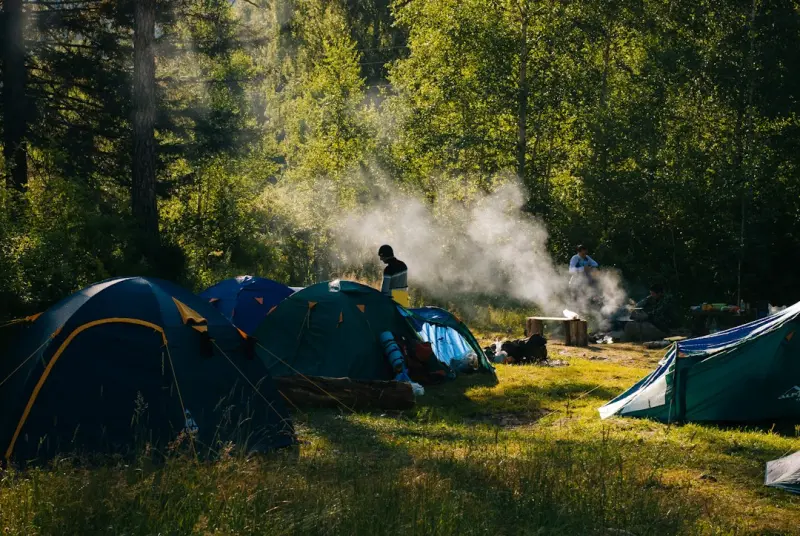
Digital Detox Camping: Recharging Creativity in the Great Outdoors
Explore the emerging trend of Digital Detox Camping, where professionals step away from screens to r... Read More
Top Posts

Why Authentic Storytelling Wins on Social Media
Explore why authentic storytelling, combined with sustainability, is reshaping social media engagement and how you can harness this power to grow your brand org...Read More

Legal Design: Reimagining Contracts for the Digital Age
Legal design transforms dense contracts into clear, actionable tools. Learn the six pillars, real‑world examples, and a step‑by‑step roadmap to modernize ...Read More

VR for Seniors: A New Chapter in Connection
Virtual reality opens a world of travel, fitness, and social connection for seniors, turning everyday spaces into immersive experiences that enrich mind, body, ...Read More

Living Content: The Next Evolution of Blogging
Turn static blog posts into living, interactive experiences with real‑time data, community feedback loops, and engaging tools, boosting readership and convers...Read More
0 Comments
Post Comment
You will need to Login or Register to comment on this post!