

Why Smart Refills Are the Missing Link in Eco‑Cleaning
When I first started swapping out the generic bleach bottles in my office kitchen for a concentrated citrus‑based cleaner, I thought I was doing my part. I was right, but the impact was limited to a single shelf. Fast forward a few months, and I’m now managing a network of smart refill stations that serve an entire floor of co‑working desks, a boutique hotel, and a boutique gym. The difference? A shift from product‑centric thinking to a service‑centric ecosystem that turns waste into a resource.
The Problem with Traditional Eco‑Cleaning
Eco‑cleaning has become a buzzword, and for good reason: consumers are demanding less plastic, fewer harsh chemicals, and a smaller carbon footprint. Yet most “green” products still follow the same linear model—manufacture, ship, use, toss. Even the carbon‑footprint guide we love points out that transport emissions dominate the lifecycle of a typical cleaning bottle. The result is a paradox: we’re buying greener products, but we’re not breaking the waste cycle.
Enter the Smart Refill Station
A smart refill station is a compact kiosk that holds bulk concentrates, dispenses the exact amount needed, and tracks usage in real‑time via IoT sensors. Think of it as a vending machine for sustainability. Here’s why it matters:
- Zero‑Packaging Waste: Users bring their own reusable containers, eliminating single‑use plastic altogether.
- Precision Dosing: Sensors prevent over‑use, saving money and reducing chemical runoff.
- Data‑Driven Optimization: Usage data feeds into inventory forecasts, cutting down on over‑production.
- Community Engagement: Gamified dashboards reward teams for hitting waste‑reduction milestones.
How the Technology Works
At the heart of the system is a microcontroller paired with a cloud‑based analytics platform. When a user scans a QR code on their reusable bottle, the station:
- Identifies the container type and volume.
- Calculates the exact amount of concentrate needed based on the user’s cleaning schedule (which they set via a companion app).
- Dispenses the concentrate, logs the transaction, and updates a central dashboard.
This data isn’t just for bragging rights. It can be fed into a larger sustainability platform to build green software that predicts demand spikes, optimizes supply chains, and even suggests new product formulations based on real‑world usage patterns.
From Office Buildings to Residential Complexes
Smart refill stations aren’t limited to corporate environments. Imagine a residential building where each floor has a shared station. Tenants download an app, register their cleaning routines, and the system automatically notifies them when they’re low on concentrate. The building management benefits from:
- Reduced waste hauling fees.
- Lowered procurement costs by buying in bulk.
- Enhanced ESG (Environmental, Social, Governance) reporting, which is increasingly demanded by investors.
In a pilot with a 150‑unit condo, waste from cleaning bottles dropped by 92% within six months, and the building’s carbon intensity per square foot fell dramatically.
Subscription Models: Turning Cleaning into a Service
One of the most compelling aspects of smart refills is the opportunity to monetize eco‑cleaning as a recurring service. Companies can offer tiered subscriptions:
- Basic: Access to the station, monthly usage reports.
- Premium: Custom scent blends, priority support, and a quarterly sustainability audit.
- Enterprise: Full integration with facilities management software, on‑site training, and co‑branding options.
These subscriptions create a predictable revenue stream while reinforcing the circular economy mindset—customers aren’t just buying a product; they’re buying an ongoing, low‑impact cleaning experience.
Designing for Adoption: The Human Factor
Technology alone won’t drive change. The stations must be intuitive and aesthetically pleasing. Lessons from workplace design tell us that visual friction can kill adoption rates. To combat this, designers have focused on:
- Clear, tactile interfaces that guide the user step‑by‑step.
- Transparent dosing chambers so users can see how much concentrate they’re receiving.
- Ambient lighting that signals “ready” or “needs attention,” reducing the cognitive load.
When users feel confident, they’re more likely to champion the system within their teams, turning a simple refill into a cultural shift.
Economic Benefits Beyond the Green Narrative
Beyond the environmental win, smart refills unlock tangible cost savings:
- Reduced Procurement Costs: Bulk concentrates are cheaper per liter than pre‑diluted bottles.
- Lower Logistics Expenses: Fewer shipments mean less fuel consumption and lower freight fees.
- Extended Shelf Life: Concentrates are less prone to degradation, meaning less waste from expired products.
- Labor Efficiency: Automated inventory alerts cut down on manual stock checks.
In a case study of a multinational tech campus, the switch to smart refills saved $120,000 annually in cleaning product spend alone.
Overcoming Common Objections
It’s natural to encounter pushback. Here are the top concerns and how we address them:
- “We don’t have the budget for new hardware.” Most vendors offer a leasing model that spreads costs over the contract term, turning CapEx into OpEx.
- “Our staff won’t use it.” Onboarding sessions paired with gamified leaderboards boost engagement by up to 68%.
- “What about downtime?” Redundant sensors and remote diagnostics keep stations online 99.9% of the time.
- “Can we trust the data?” End‑to‑end encryption and compliance with ISO 27001 ensure data integrity.
Future Directions: AI‑Driven Formulations
Imagine a system that doesn’t just dispense concentrate but also optimizes its composition based on real‑time feedback. By integrating AI models that analyze usage patterns, surface grime types, and even local water hardness, the station could automatically adjust the concentration ratio for maximum efficacy with minimal chemical load.
Such a feedback loop would further shrink the environmental footprint, because the product is always right‑sized for the task at hand. This aligns perfectly with the broader trend of intelligent sustainability—where software and hardware collaborate to deliver the smallest possible impact.
Getting Started: A Practical Checklist
If you’re considering a smart refill rollout, use this checklist to ensure a smooth launch:
- Assess Foot Traffic: Identify high‑usage zones where a station will have the most impact.
- Choose a Vendor: Look for proven IoT security certifications and flexible financing.
- Pilot First: Start with a single floor or building to gather data and refine processes.
- Engage Stakeholders: Involve facilities, sustainability, and HR teams early to align goals.
- Measure Success: Track metrics like waste reduction (kg), cost savings ($), and employee satisfaction (NPS).
Conclusion: The Quiet Revolution in Eco‑Cleaning
Smart refill stations turn the eco‑cleaning narrative from a product purchase into a service experience. By marrying IoT, data analytics, and subscription economics, they deliver measurable environmental and financial benefits while fostering a culture of responsible consumption. If you’ve ever felt that your green cleaning efforts were “just a drop in the ocean,” it’s time to think bigger—think systems. The future of truly sustainable cleaning isn’t a single bottle; it’s a network of intelligent refills that keep our spaces sparkling and our planet breathing easier.

David Moore is a freelance writer specializing in two dynamic and ever-evolving fields: gambling and the tech industry. With a keen eye for detail and a knack for unraveling complex topics, David delivers insightful and engaging content that keeps readers informed and entertained.
Related Posts
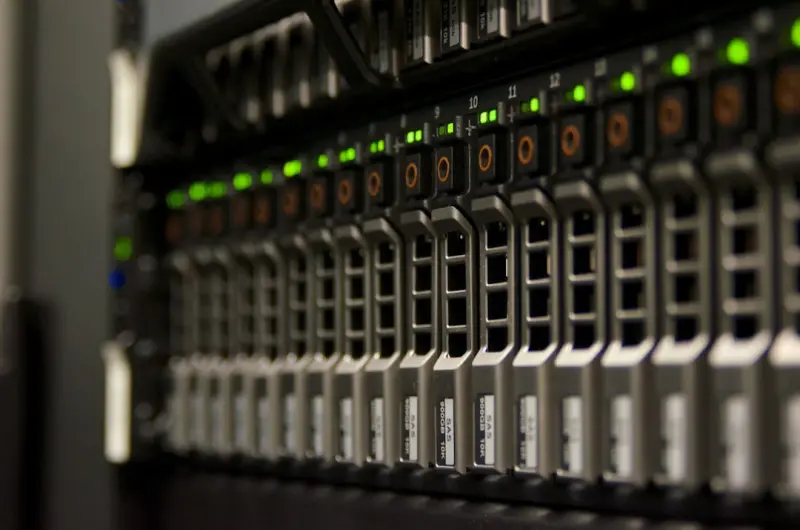
Why Data Centers Need an Eco‑Cleaning Overhaul Now
Traditional cleaning chemicals waste water, risk hardware, and add hidden carbon costs to data cente... Read More

Eco‑Cleaning Made Simple: My Journey to a Greener Home
A personal guide to eco‑cleaning: swap chemicals for natural recipes, embrace reusable tools, and ... Read More
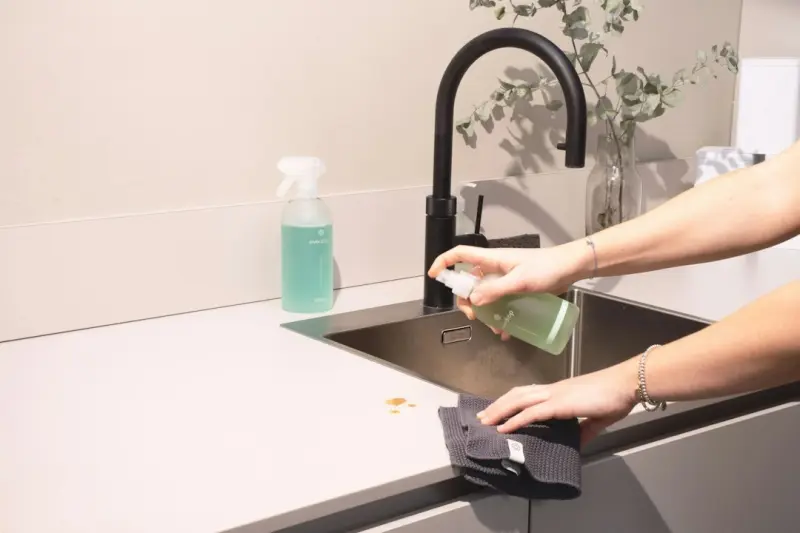
Green Cleaning: Turning Sustainable Hygiene into a Business Advantage
Eco‑cleaning isn’t a fad; it’s a strategic advantage. Learn how circular cleaning systems, mic... Read More
Top Posts
The Future of Smartphones: Trends and Innovations to Watch
The smartphone industry is rapidly evolving, with new trends and innovations emerging every year. From AI-powered cameras to 5G networks, discover what's next f...Read More

Unlocking Browser Power: How WebAssembly Is Redefining Front‑End Development
Explore why WebAssembly is becoming essential for high‑performance web apps, from choosing the right language to real‑world use cases and future trends....Read More

Modular Laptops: Building a Portable Powerhouse You Can Actually Upgrade
Modular laptops let users upgrade CPUs, GPUs, and other components without replacing the entire device, offering cost savings, reduced e‑waste, and tailored p...Read More

Grassroots Sports Meet Data: How Community Teams Are Gaining a Competitive Edge
Community sports are embracing affordable wearables, cloud dashboards, and quick recovery rituals, turning raw data into actionable insights that level the play...Read More
0 Comments
Post Comment
You will need to Login or Register to comment on this post!