

Why Smart Toys Are the New Frontier of Kids’ Safety
When I first held a voice‑activated dinosaur for my niece, I was dazzled by its bright eyes and the way it responded to a simple “Roar!” — a moment that felt like pure magic. Fast forward a few months, and that same dinosaur was whispering personal data to a cloud service I didn’t even know existed. The excitement of connected play is undeniable, but it also opens a Pandora’s box of safety concerns that many parents overlook.
The Invisible Architecture Behind Every Interactive Toy
Every smart toy is built on layers of software, sensors, and network connections. While manufacturers market these gadgets as “learning companions” or “imagination boosters,” the underlying technology often mirrors that of a miniature smartphone. That means:
- Data collection: microphones, cameras, and motion sensors continuously gather information.
- Cloud communication: the toy uploads data to remote servers for processing, sometimes without clear user consent.
- Third‑party integrations: many toys rely on external SDKs that can introduce vulnerabilities.
Understanding this architecture is the first step toward protecting our children.
Common Safety Gaps That Slip Past the Checklist
Most parents use the standard “unbox, read the manual, and set a parental PIN” approach. Unfortunately, that checklist misses several critical gaps:
- Default passwords and open ports. A surprising number of devices ship with generic credentials that are easy for hackers to guess.
- Lack of end‑to‑end encryption. Voice recordings and location data can travel in plain text, exposing them to interception.
- Unregulated third‑party apps. Some toys allow children to download mini‑games, turning the toy into a mini app store with unknown security standards.
These gaps aren’t just theoretical; they’ve been exploited in real‑world incidents where toys have been used to spy on families or launch botnet attacks.
Turning “Fun” into “Safe”: A Practical Playbook
Below is a step‑by‑step guide I’ve refined after countless late‑night research sessions and conversations with cybersecurity experts. Think of it as a safety net woven around the sparkle of technology.
1. Conduct a Mini‑Security Audit Before Purchase
Don’t rely solely on marketing hype. Look for the following red flags:
- Clear privacy policy that explains what data is collected, how long it’s stored, and who it’s shared with.
- Evidence of regular software updates and a transparent patch schedule.
- Independent security certifications (e.g., ISO/IEC 27001, Kidsafe Certified).
If the manufacturer can’t answer these questions, consider a more traditional, non‑connected toy.
2. Harden the Network at Home
Smart toys are just another device on your Wi‑Fi. Use a guest network exclusively for them, isolated from computers, phones, and smart home hubs. This segmentation limits the blast radius if a toy is compromised.
3. Review Permissions and Disable Unnecessary Features
Many toys come with optional features like “story mode” that records a child’s voice. If you don’t need this functionality, turn it off in the companion app or via the toy’s settings menu. The less data a device collects, the fewer opportunities for misuse.
4. Keep Firmware Updated—And Know How
Manufacturers often release patches to close security holes, but updates are sometimes hidden behind an app. Set a monthly reminder to check the companion app for firmware updates. If the toy lacks an easy update path, it may be a sign of neglect.
5. Educate Kids About Digital Boundaries
Even the most secure device can’t protect a child who willingly shares personal information. Use age‑appropriate language to explain why they shouldn’t tell the toy their full name, address, or school.
6. Leverage Parental Controls on the Cloud
Most smart toy ecosystems include a cloud dashboard where you can view data logs. Regularly audit these logs for unexpected activity—like a sudden spike in voice recordings at odd hours.
7. Advocate for Stronger Industry Standards
As a community, we have the power to push manufacturers toward higher safety standards. Join parent advocacy groups, sign petitions, and write reviews that highlight security concerns. Collective pressure can accelerate the adoption of rigorous safety protocols.
When AI Meets Play: The Double‑Edged Sword
Artificial intelligence is the engine that powers many of these toys’ “smart” features—recognizing speech, adapting games, or suggesting new content. While AI can create engaging learning experiences, it also raises unique safety questions. For instance, AI‑powered toy safety hinges on transparent algorithms that don’t harvest or misuse personal data. Parents should demand clear disclosures about how AI models are trained and what data they retain.
Balancing Innovation With Peace of Mind
It’s easy to feel like we’re standing at a crossroads: on one side, a wave of innovative toys that promise to enhance creativity and learning; on the other, a landscape fraught with privacy pitfalls. The key is not to reject technology outright, but to approach it with the same diligence we apply to any other household risk.
Think of a smart toy as a new family member. You’d introduce a pet gradually, set boundaries, and monitor its behavior. The same principle applies here—except the “behavior” includes data packets and firmware versions.
Case Study: The Story of “Chatty Bear”
Last year, a popular plush bear that responded to spoken commands was found to be transmitting children’s recorded voices to an unsecured server in Europe. Parents reported hearing their children’s bedtime stories echoing from unknown speakers. The manufacturer responded by issuing a firmware update, but the incident sparked a broader conversation about how digital overload for kids can have real‑world consequences.
Key takeaways from the “Chatty Bear” saga:
- Never assume a product’s security is “good enough” because it’s marketed to children.
- Prompt firmware updates are crucial, but they must be easy to install.
- Transparency after a breach builds trust; silence erodes it.
Future‑Proofing: What to Expect in the Next Wave of Smart Toys
Manufacturers are already experimenting with edge‑AI—processing data locally on the device instead of sending everything to the cloud. This shift could dramatically reduce privacy risks, but it also introduces new challenges like ensuring the device’s local models stay secure.
Another trend is interoperability. Toys that can talk to each other or to smart home assistants promise richer experiences but also expand the attack surface. As these ecosystems grow, the importance of robust tiny safety integrations—small, well‑audited code modules—will become paramount.
Wrapping Up: A Parent’s Commitment to Safe Play
Smart toys will continue to evolve, blending imagination with algorithms. By staying informed, setting up solid network defenses, and fostering open conversations with our kids about digital privacy, we can enjoy the benefits of modern play without compromising safety.
Remember, the goal isn’t to ban technology but to empower families to make smarter, safer choices. After all, the most valuable lesson we can teach our children is how to navigate a connected world with curiosity and caution.

Brad Hays is a freelance writer known for his versatile skill set and ability to craft compelling content across a wide range of industries.
Related Posts

When Kids Take the Lead: Teaching Safety Skills That Stick
Empower children to own their safety by turning rules into games, fostering community involvement, a... Read More

A Modern Playbook for Keeping Kids Safe in a Hyper‑Connected World
A hands‑on guide that blends traditional child‑proofing with modern tech safeguards, offering pa... Read More
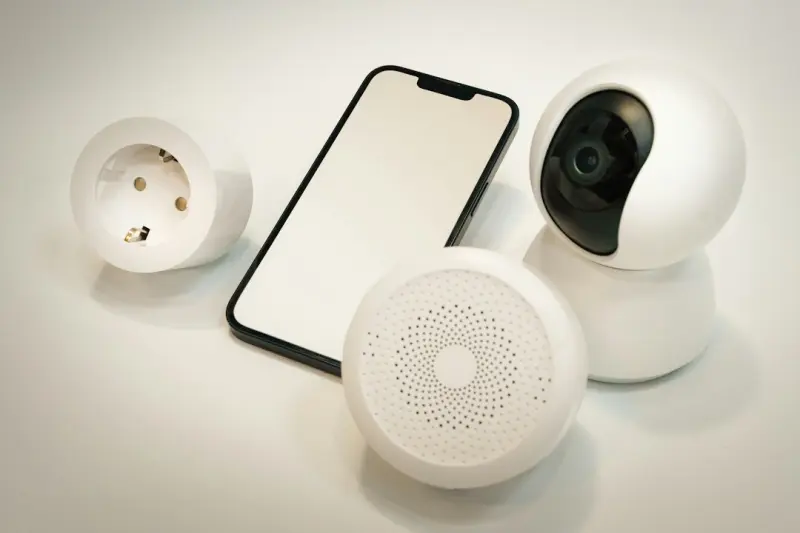
The Unseen Guardians: Leveraging Smart Tech for Kids Safety
A practical guide for parents to use AI, secure devices, and open communication to create a balanced... Read More
Top Posts

How to Build a Wedding Time Capsule That Connects Generations
Learn to design a wedding time capsule that blends personal mementos, family contributions, and eco‑friendly choices, creating a lasting legacy for your marri...Read More

Nomadic Networking: Turning Airports into Business Hubs
Learn how to transform every travel stop—from airport lounges to hotel bars—into a strategic networking opportunity, using a lightweight toolkit, intentiona...Read More

The Subscription Wave: Why Renting Appliances Beats Buying
Appliance subscriptions let you access top‑tier, connected devices on a monthly basis, offering upgrades, maintenance, and data‑driven insights while reduci...Read More

From Playroom to Boardroom: How Toy Engineering Fuels Modern Product Innovation
A deep dive into how the playful principles of construction toys, inclusive design, and sustainable materials can inspire faster, more resilient SaaS product de...Read More
0 Comments
Post Comment
You will need to Login or Register to comment on this post!