
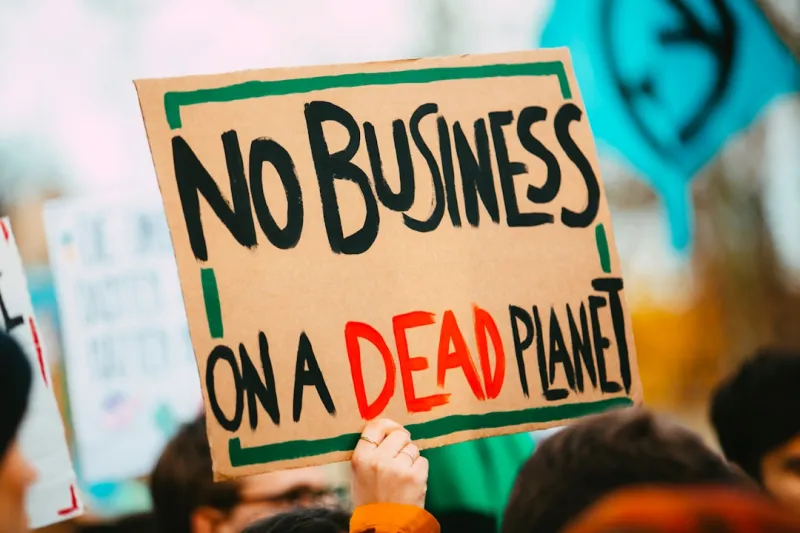
In today’s hyper‑connected marketplace, the old playbook of growth‑at‑any‑cost is being rewritten by a new set of expectations that place the planet at the heart of every decision, and I’ve watched this shift from the front lines of dozens of boardrooms, feeling both the pressure and the opportunity. Companies that cling to legacy models are finding themselves edged out by nimble rivals who weave sustainability into product design, supply‑chain logistics, and employee culture, creating a virtuous loop where purpose fuels profit. The reality is that sustainable business is no longer a niche experiment but an operational imperative that determines whether a brand thrives or simply survives.
Consumers now demand transparency as if it were a basic human right, scanning product labels, social feeds, and corporate reports with a forensic eye that was unimaginable a decade ago, and this scrutiny forces leaders to articulate clear, measurable goals that go beyond vague “green” statements. When a brand can prove that its sourcing reduces carbon emissions, that its packaging is recyclable, and that its labor practices are equitable, the market rewards it with loyalty, advocacy, and a premium price point that directly impacts the bottom line. The ripple effect extends to investors, who are allocating capital toward ESG‑focused funds, creating a financial incentive that aligns perfectly with the growing consumer conscience.
Operational efficiencies derived from sustainable practices are often the hidden engine behind profitability, because reducing waste, optimizing energy use, and redesigning processes not only shrink the environmental footprint but also slash overhead costs that erode margins. A manufacturing line that recycles heat or a data center powered by renewable energy can translate a modest sustainability initiative into millions of dollars saved annually, while simultaneously enhancing brand reputation and employee morale. The paradox is striking: the very actions that protect the planet also protect the profit sheet, proving that environmental stewardship and fiscal responsibility are not mutually exclusive but mutually reinforcing.
Brand Storytelling in a Green Economy
Authenticity has become the currency of modern branding, and the most compelling narratives now spring from a genuine commitment to ecological stewardship rather than a superficial marketing veneer, a truth I’ve seen echo across industries from fashion to fintech. When a company tells a story that showcases real‑world impact—such as a partnership with local farmers, a transparent carbon‑offset program, or a community‑based recycling initiative—it creates an emotional bridge that resonates deeply with customers seeking purpose‑driven experiences. This connection is amplified when the narrative is consistently reflected in every touchpoint, from website copy to packaging design, turning brand identity into a living, breathing promise.
Data‑driven storytelling adds another layer of credibility, allowing businesses to quantify their progress and share tangible results with stakeholders in a way that feels both honest and inspiring, a strategy I’ve employed to help brands shift from vague claims to measurable outcomes that can be audited and celebrated. By publishing dashboards that track emissions reductions, water usage, and waste diversion, companies invite customers into the journey, fostering a sense of partnership rather than passive consumption. The resulting trust not only drives repeat purchases but also generates earned media, as satisfied customers become vocal advocates who amplify the brand’s green mission across social platforms and word‑of‑mouth networks.
Technology, AI, and the Sustainable Edge
The rapid evolution of artificial intelligence is reshaping how businesses approach sustainability, offering tools that can model climate impact, optimize resource allocation, and predict supply‑chain disruptions with unprecedented precision, a transformation I’ve observed firsthand in the tech sector and beyond. Platforms that leverage machine learning to forecast energy demand enable firms to shift loads to off‑peak, renewable‑rich periods, dramatically cutting emissions while also lowering utility costs, illustrating how AI serves as both an environmental and economic catalyst. Moreover, AI‑enhanced analytics can uncover hidden inefficiencies in manufacturing lines, prompting targeted interventions that reduce waste and improve product quality in a single sweep.
For marketers, AI’s role extends into the realm of sustainable messaging, where algorithms can test and refine audience segments to ensure that green narratives reach the most receptive consumers without wasteful spend, a capability that aligns perfectly with the principle of doing more with less. An excellent example of this synergy is highlighted in How Google’s AI Evolution is Shaping Sustainable Search, where advanced search algorithms prioritize eco‑friendly results, nudging users toward greener choices and rewarding businesses that meet rigorous sustainability criteria with higher visibility and traffic. The interplay between AI and sustainability is not a futuristic fantasy but a present‑day reality that empowers companies to make data‑backed decisions that benefit the planet and the profit ledger simultaneously.
Legal Mandates and the Road to Future‑Proofing
Regulatory landscapes are tightening worldwide, as governments impose stricter carbon reporting standards, mandatory recycling targets, and transparent supply‑chain disclosures that leave no room for half‑measures, and navigating this complex web of mandates has become a critical competency for CEOs aiming to future‑proof their enterprises. Non‑compliance can trigger hefty fines, legal battles, and reputational damage that erodes shareholder value, while proactive alignment with emerging policies positions a firm as a market leader ready to thrive under new rules. The legal frontier of sustainability also opens avenues for innovation, prompting companies to develop circular business models, invest in renewable energy credits, and adopt blockchain for traceability, thereby turning compliance into a competitive advantage.
Strategic foresight involves anticipating not only current regulations but also the trajectory of upcoming legislation, a practice that can be institutionalized through cross‑functional sustainability councils that include legal, finance, and operations leaders working in concert, a framework I have helped implement in several mid‑size firms to embed resilience into corporate DNA. By embedding sustainability into the core governance structure, businesses can swiftly adapt to policy shifts, secure investor confidence, and unlock new market opportunities that arise from green incentives and tax credits, effectively turning potential risk into a catalyst for growth.
Turning Sustainability into a Growth Engine
When sustainability is embedded into the strategic fabric of a company, it becomes a powerful engine for growth that fuels innovation, opens new revenue streams, and deepens customer loyalty, a principle I championed while guiding a tech startup from a modest niche player to a market disruptor with a purpose‑first brand. Leveraging the insights from Branding in a Sustainable World: How Authentic Stories Drive Growth, firms can craft narratives that not only differentiate them from competitors but also attract talent who are eager to work for organizations that align with their values, thereby enhancing recruitment and retention in a tight labor market. The convergence of ethical responsibility and commercial ambition creates a feedback loop where each sustainable initiative amplifies brand equity, drives sales, and reinforces the company’s commitment to a healthier planet.
Looking ahead, the businesses that will dominate are those that see sustainability not as a compliance checkbox but as a dynamic source of strategic advantage, continuously iterating on green technologies, forging partnerships that expand impact, and measuring outcomes with the rigor of a financial audit, ensuring that every eco‑friendly action translates into measurable value. By embracing this mindset, leaders can steer their organizations toward resilient, long‑term success while contributing to a global movement that redefines prosperity, proving that the path to profit and the path to the planet are, ultimately, one and the same.

Paul Flynn is a versatile freelance writer equipped with a diverse skillset and a portfolio that reflects his wide-ranging interests and expertise. From crafting compelling website copy and engaging blog posts to delivering in-depth articles and meticulously researched reports, Flynn demonstrates a remarkable ability to adapt his writing style to suit various audiences and purposes.
Related Posts

Why Sustainable Business Models Are the New Competitive Edge
Explore why sustainability is now a core competitive advantage, from technology integration to cultu... Read More

Why Sustainable Business Strategies Are the New Competitive Edge
Explore why forward‑thinking companies are making sustainability a core profit driver, from dataâ€... Read More

Why Sustainable Strategies Are the Secret Weapon for Modern CEOs
Sustainability isn’t a trend; it’s a strategic advantage. Learn why modern CEOs are making green... Read More
Top Posts

Embracing Sustainable Outdoor Recreation: A New Era for Environmental Stewardship
Outdoor recreation can have a significant impact on the environment, but by adopting sustainable practices, enthusiasts can help mitigate these effects and prom...Read More

Eco-Friendly Home Makeover: Sustainable Decor Ideas for a Greener Space
Create a sustainable home makeover with eco-friendly decor ideas. Discover how to incorporate sustainable materials, lighting, plants, and natural elements into...Read More

Kids Safety in the Modern Age: A Parent’s Guide to Smart, Sustainable Protection
A fresh, parent‑focused guide that blends digital safety, physical protection, and sustainable habits, empowering families to create a safer, greener world fo...Read More

Why Sustainable Storytelling and AI Are the New Engines of Business Growth
Amanda Williams reveals how blending sustainability, AI, and authentic storytelling creates a powerful growth engine for modern businesses, offering practical s...Read More
0 Comments
Post Comment
You will need to Login or Register to comment on this post!