

The Business Landscape Is Re‑Writing Its Playbook
When I first stepped onto the conference stage last year, I could feel the room humming with a new kind of urgency—one that went beyond quarterly earnings and market share. Companies are no longer judged solely on profit margins; they’re measured against their carbon footprints, authentic narratives, and the speed at which they adopt emerging tech. As a seasoned marketer who’s watched the rise and fall of countless fads, I’m convinced that the convergence of sustainability and artificial intelligence is not a passing trend but a fundamental shift in how we create value. In this post, I’ll walk you through why this fusion matters, how you can harness it today, and what it means for the future of growth‑focused businesses.
Why Sustainability Is No Longer a “Nice‑to‑Have”
Consumers today demand proof that a brand’s green claims are more than just glossy marketing copy; they want tangible evidence that every touchpoint—from sourcing to shipping—reduces environmental impact. This demand is amplified by younger shoppers who see climate stewardship as a core component of their identity, and by investors who now factor ESG metrics into capital allocation decisions. The result? Companies that ignore the green imperative risk losing market relevance, while those that embed sustainability into their DNA enjoy stronger brand loyalty and even premium pricing power. From my experience leading brand pivots, the most successful transformations start with honest storytelling that showcases real, measurable progress rather than vague aspirations.
Artificial Intelligence: The Engine Accelerating Green Initiatives
AI isn’t just about chatbots or predictive analytics; it’s a powerful catalyst for scaling sustainable practices across the enterprise. Machine‑learning models can optimize supply‑chain routes to cut fuel consumption, forecast demand with pinpoint accuracy to minimize waste, and even audit carbon footprints in real time. In my recent projects, we leveraged AI‑driven dashboards that highlighted inefficiencies invisible to the human eye, enabling rapid, data‑backed decisions that saved both money and emissions. Moreover, AI’s ability to personalize customer experiences means brands can deliver relevant, eco‑friendly product recommendations that resonate on an individual level, turning sustainability from a checkbox into a compelling selling point.
Storytelling Meets Data: Crafting Authentic Green Narratives
The magic happens when data‑rich insights meet the art of storytelling. A well‑crafted narrative can translate complex sustainability metrics into relatable human stories—think of a farmer’s journey from conventional to regenerative agriculture or a factory’s transition to renewable energy. By weaving these stories into brand content, you create emotional hooks that inspire action and deepen trust. I’ve seen brands double their engagement rates simply by spotlighting real‑world impact stories backed by verifiable data. The key is to stay transparent, avoid greenwashing, and let the audience see the genuine progress behind each claim.
Strategic Insights from the Front Lines
If you’re wondering where to start, look at the latest industry analysis in Trending Business Strategies: Sustainability, AI, and the Future of Growth. The report outlines three actionable pillars: embed AI into every sustainability workflow, prioritize measurable outcomes, and amplify those results through authentic storytelling. By aligning these pillars with your core business objectives, you create a virtuous cycle where technology fuels eco‑innovation, and compelling narratives drive customer acquisition. Remember, the most effective strategies are those that are both ambitious and achievable—set clear milestones, track progress with robust analytics, and celebrate each win publicly to build momentum.
Practical Steps to Make Your Brand Greener Today
Start by conducting a carbon audit that pinpoints the biggest emission sources across your operations. Use AI‑enabled tools to model alternative scenarios—such as switching to renewable energy providers or optimizing logistics routes—and calculate potential savings. Next, translate those numbers into a story that highlights the human impact: how reduced emissions improve community health, protect local ecosystems, or create new jobs in the green economy. Finally, integrate this story across all channels—website, social media, investor decks—ensuring consistency and authenticity. A simple yet powerful tactic is to feature employee voices sharing their personal commitment to sustainability, which humanizes the brand and encourages internal buy‑in.
The Power of Sustainable Storytelling
For a deeper dive into why narrative is the future of content marketing, check out Why Sustainable Storytelling Is the Future of Content Marketing. The piece illustrates how brands that marry data‑driven sustainability with compelling storytelling not only boost SEO performance but also foster lasting customer relationships. In practice, this means publishing case studies, behind‑the‑scenes videos, and interactive dashboards that let audiences explore your environmental impact firsthand. When consumers can see the tangible outcomes of their purchases—like a reduction in plastic waste or a rise in renewable energy usage—they become brand advocates, sharing your story organically and amplifying your reach.
Real‑World Success: A Case Study in Action
Consider the journey of a mid‑size outdoor apparel company that faced stagnant sales and mounting pressure to go green. By integrating AI‑powered inventory management, they cut overstock by 30%, slashing waste and freeing up capital for sustainable material research. Simultaneously, they launched a storytelling campaign featuring the artisans behind their recycled‑fabric jackets, highlighting how each purchase supported local economies and reduced landfill waste. Within six months, website traffic grew 45%, conversion rates rose 22%, and the brand earned a coveted ESG rating that attracted new institutional investors. This example underscores the synergistic power of technology and narrative—when executed thoughtfully, they drive both profit and purpose.
Looking Ahead: Embrace the Fusion or Be Left Behind
The next decade will reward businesses that view sustainability and AI not as separate silos but as intertwined growth engines. As consumer expectations evolve and regulatory frameworks tighten, the pressure to act responsibly will only intensify. Yet for those willing to invest in data‑backed green initiatives and share those successes with genuine, resonant stories, the payoff is a resilient brand that thrives in a rapidly changing market. I challenge you to audit your current strategy, identify one AI tool that can accelerate your sustainability goals, and craft a narrative that puts your progress front and center. The future belongs to those who can blend purpose with performance—are you ready to lead?

Amanda is a passionate writer exploring a kaleidoscope of topics from lifestyle to travel and everything in between.
Related Posts

The Future of Business: How Sustainable Practices are Revolutionizing the Industry
Sustainable practices are revolutionizing the business landscape, driving innovation and growth whil... Read More
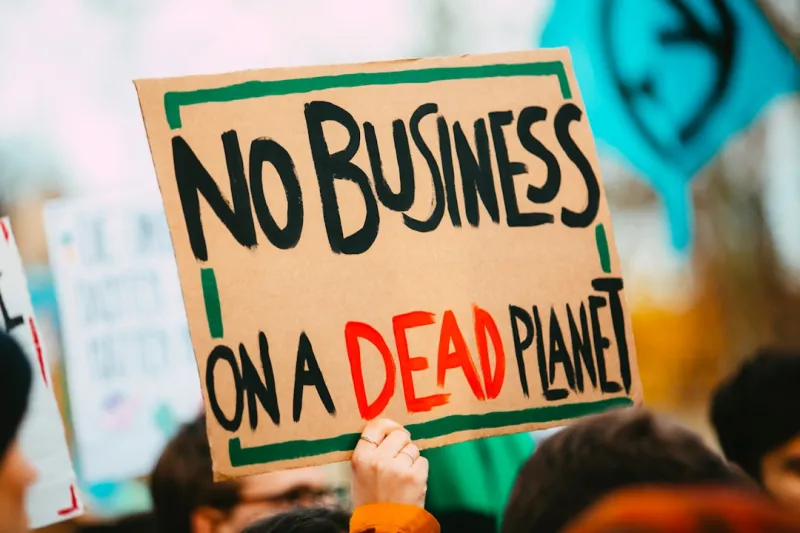
Trending Business Strategies: Sustainability, AI, and the Future of Growth
Discover the cutting‑edge blend of sustainability and AI that’s redefining modern business, with... Read More
The Role of Sustainable Practices in Business: A Guide to a Greener Future
Sustainable practices are no longer just a nicety, but a necessity for businesses looking to thrive ... Read More
Top Posts

Networking in the Age of Sustainability: Shawn DesRochers’ Playbook for Meaningful Connections
Shawn DesRochers shares his insider playbook for forging genuine, sustainability‑centric connections, turning every conversation into a catalyst for greener c...Read More
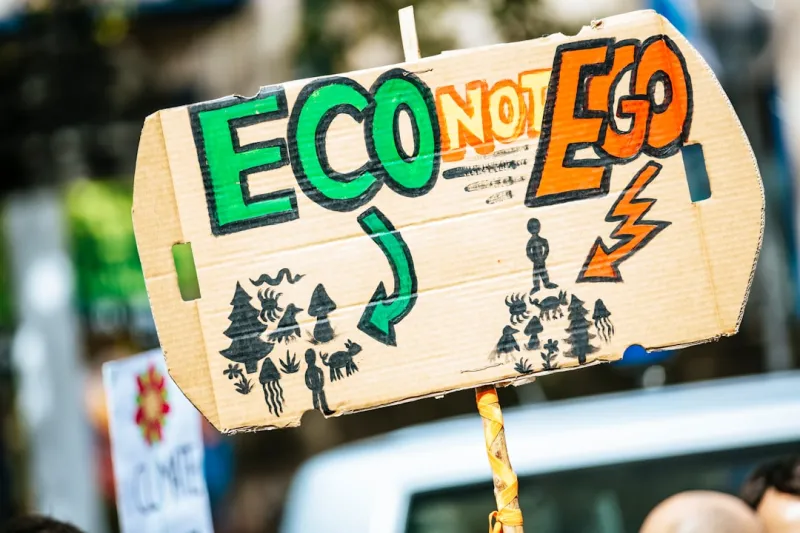
The Power of Eco-Cleaning: A Sustainable Approach to a Healthier Home
Learn how to make a positive impact on the environment with eco-cleaning practices. Discover simple swaps and sustainable tips for a healthier home....Read More

Eco‑Cleaning Essentials: Steph Sanderson’s Guide to a Greener Home
Steph Sanderson shares her favorite natural cleaning recipes, kid‑friendly tips, and how eco‑cleaning can transform both home health and community sustainab...Read More

The Role of Mobile Apps in Promoting Sustainable Living
Mobile apps are playing a vital role in promoting sustainable living by providing users with tools and resources to live a more eco-friendly lifestyle. Learn ab...Read More
0 Comments
Post Comment
You will need to Login or Register to comment on this post!