
The Green Turn in Content Marketing
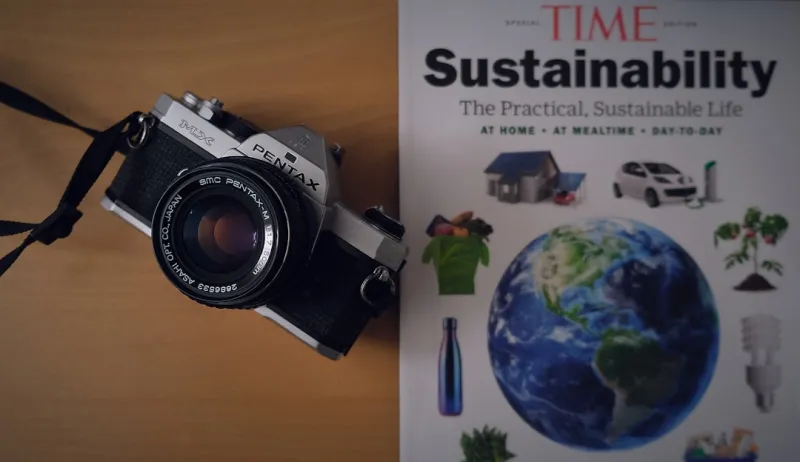
When I first stepped into the world of content marketing, I was chasing clicks, not carbon footprints. Over the past few years, I’ve watched the industry evolve from a noisy, keyword‑driven battlefield into a purpose‑filled arena where sustainability isn’t just a buzzword—it’s a brand promise. Brands that weave genuine eco‑conscious narratives into their content see higher engagement because today’s readers demand authenticity and tangible impact. Storytelling that respects the planet not only builds trust but also differentiates a brand in an oversaturated market, turning casual browsers into loyal advocates who feel good about the content they consume.
Why Eco‑Narratives Resonate
Our audience today is hyper‑connected, and they can sniff out greenwashing from a mile away. I’ve learned that the most compelling eco‑stories are those that acknowledge challenges while celebrating real progress. By highlighting measurable steps—like reducing energy consumption in a supply chain or sourcing recyclable packaging—content becomes a bridge between aspiration and action. Readers appreciate the transparency, and they’re more likely to share pieces that feel both inspirational and achievable. This emotional resonance fuels organic reach, boosting SEO metrics without the need for aggressive keyword stuffing.
Integrating Sustainable Practices into Your Content Workflow
Adopting a greener mindset starts behind the scenes. I’ve restructured my editorial calendar to prioritize topics that align with our sustainability goals, ensuring each piece has a clear environmental angle. From brainstorming sessions that ask “What carbon impact does this story have?” to using digital tools that calculate the carbon cost of video production, every decision is filtered through a green lens. Even the platforms we choose matter—opting for Sustainable Web Design principles reduces load times and server energy use, which in turn improves page speed scores and user satisfaction.
Data‑Driven Green Content Strategies
Metrics are the lifeblood of any marketing plan, and sustainability offers fresh data points to track. I now monitor not only traditional KPIs like bounce rate and time on page, but also the “green engagement index”—a composite score that weighs shares, comments, and conversions against the environmental relevance of the content. Tools that measure the carbon footprint of digital assets help us set realistic reduction targets. By reporting these numbers to stakeholders, we demonstrate that eco‑focused content isn’t a cost center; it’s a growth engine that aligns brand equity with measurable environmental stewardship.
Leveraging Partnerships for Amplified Impact
Collaboration amplifies credibility. I’ve partnered with thought leaders in the sustainability space to co‑create content that merges marketing expertise with authentic eco‑insights. These alliances bring fresh perspectives and tap into new audiences who trust the partner’s authority. For example, featuring experts from the Tech Meets Sustainability series adds depth to my articles and positions the brand as a hub for cutting‑edge green innovation. Such cross‑promotion not only expands reach but also reinforces the message that sustainable practices are a collective responsibility.
Crafting Calls‑to‑Action That Inspire Real Change
A well‑crafted CTA can turn passive readers into active participants in a sustainability movement. Instead of the generic “Learn More,” I use prompts like “Download our carbon‑reduction checklist” or “Join the zero‑waste challenge.” These actions give the audience a tangible next step, fostering a sense of ownership over the brand’s eco‑mission. When readers feel they’re contributing to a larger cause, they’re more likely to become brand ambassadors, sharing content organically and extending the brand’s green footprint far beyond the original post.
Measuring Long‑Term Brand Equity Through Sustainable Content
Brand equity is no longer just about recognition; it’s about alignment with values that matter to consumers. Over time, a steady stream of high‑quality, sustainability‑focused content builds a reputation for responsibility and innovation. I track sentiment analysis to gauge how audience perceptions evolve as we deepen our eco‑commitments. Positive shifts in sentiment correlate with higher lifetime value metrics, proving that investing in green storytelling pays dividends both ethically and financially. This holistic view of brand health ensures we stay ahead of competitors who may still be focused solely on short‑term traffic spikes.
Future‑Proofing Your Content Marketing with a Green Lens
The digital landscape will keep evolving, but the demand for authentic, sustainable narratives is here to stay. I’m already experimenting with immersive formats like AR experiences that visualize a product’s carbon journey, giving consumers an interactive way to understand impact. As voice search and AI-generated content rise, embedding sustainability into the core messaging will ensure that even automated outputs reflect the brand’s green ethos. By making sustainability a non‑negotiable pillar of our content strategy, we future‑proof our brand against shifting consumer expectations and regulatory pressures, turning ethical responsibility into a competitive advantage.

In the world of freelance writing, where creativity and adaptability are paramount, Michelle Fisher stands out as a dedicated and versatile professional. With a passion for crafting compelling narratives and a keen eye for detail, Michelle has established herself as a trusted voice.
Related Posts

The Intersection of Content Marketing and Sustainable Living
As consumers become increasingly environmentally conscious, brands are under pressure to adapt their... Read More

The Evolution of Content Marketing: How Sustainability Can Elevate Your Strategy
Content marketing and sustainability are converging. Learn how to leverage eco-friendly values and p... Read More

The Evolution of Sustainable Content Marketing: A New Era for Businesses
Sustainable content marketing is a new era for businesses. Learn how to create eco-friendly content,... Read More
Top Posts

Growing a Greener Tomorrow: How Gardening Can Transform Your Life
Gardening is more than just a hobby – it's a way of life. Learn how gardening can transform your life and promote a sustainable future....Read More

The Future of Tooling: How Sustainable Practices are Revolutionizing the Industry
The tooling industry is undergoing a revolution, driven by the adoption of sustainable practices. Learn how eco-friendly tools and sustainable materials are tra...Read More
The Future of Energy: How Sustainable Practices are Revolutionizing the Industry
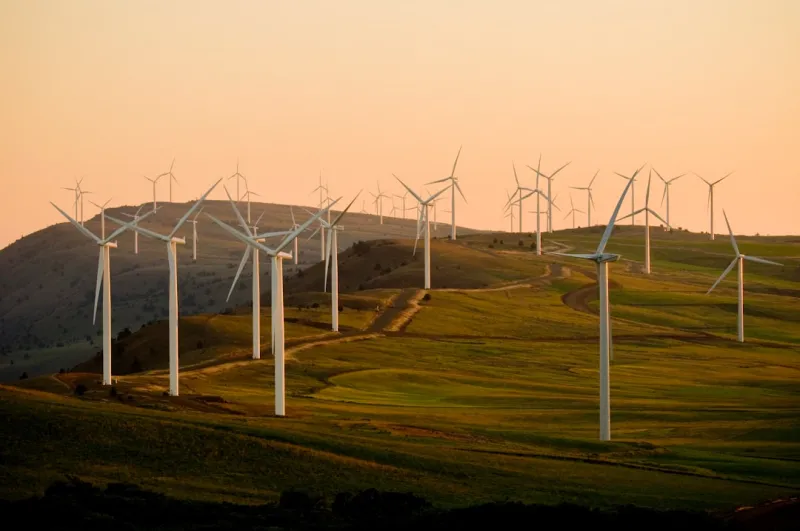
The energy industry is undergoing a significant transformation, driven by the need for sustainable practices and renewable energy sources. Learn about the futur...Read More

The Role of Education in Sustainable Development
Education plays a critical role in sustainable development, empowering individuals to make informed decisions about their lives and the world around them. Learn...Read More
0 Comments
Post Comment
You will need to Login or Register to comment on this post!