
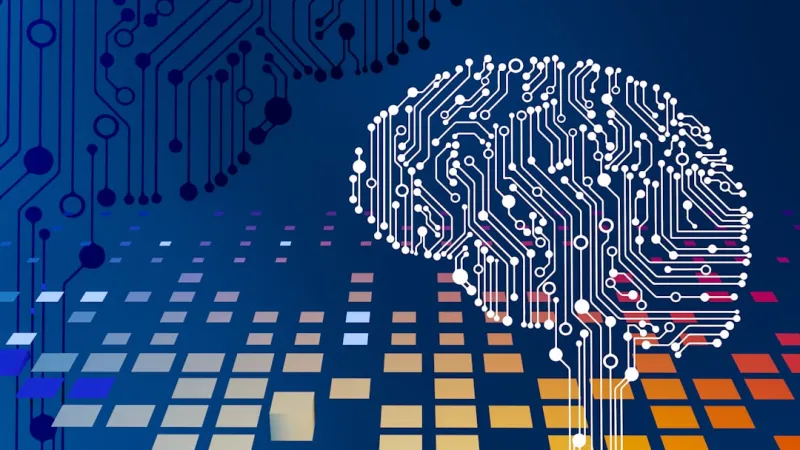
The AI-Powered Future: How Artificial Intelligence is Revolutionizing Industries
As we continue to hurtle through the 21st century, one thing is clear: artificial intelligence (AI) is transforming the world as we know it. From healthcare and finance to transportation and education, AI is being used to drive innovation, improve efficiency, and enhance decision-making. In this article, I'll explore the current state of AI and its potential impact on various industries.
The rapid progress of AI is largely due to advances in machine learning, which enables computers to learn from data and improve their performance over time. This has led to the development of sophisticated algorithms and models that can analyze vast amounts of data, identify patterns, and make predictions. As a result, AI is being used in a wide range of applications, from personalized marketing and customer service to medical diagnosis and autonomous vehicles.
The Future of Work: How AI is Changing the Job Market
One of the most significant impacts of AI is on the job market. As machines and algorithms take over routine and repetitive tasks, many jobs are becoming obsolete. However, AI is also creating new opportunities and industries that didn't exist before. For instance, the field of data science is growing rapidly, with companies seeking professionals who can collect, analyze, and interpret large datasets. According to a report by the World Economic Forum, by 2022, more than a third of the desired skills for most jobs will be comprised of skills that are not yet considered crucial to the job today.
The key to thriving in an AI-powered economy is to develop skills that complement machines, such as creativity, critical thinking, and problem-solving. This requires a fundamental shift in the way we approach education and training. Rather than focusing solely on technical skills, we need to emphasize the development of soft skills, such as communication, collaboration, and empathy. By doing so, we can ensure that workers are equipped to adapt to the changing job market and take advantage of new opportunities.
The Role of AI in Sustainability
Another area where AI is having a significant impact is sustainability. With the help of AI, companies can optimize their operations, reduce waste, and improve their environmental footprint. For example, AI-powered sensors and monitoring systems can help detect energy inefficiencies and predict maintenance needs, leading to significant cost savings and reduced carbon emissions. In fact, a study by the International Energy Agency found that AI could help reduce energy consumption by up to 10% in buildings and industries.
Moreover, AI is being used to develop new sustainable technologies, such as renewable energy systems and green infrastructure. By leveraging AI and data analytics, we can create more efficient, resilient, and sustainable systems that support a healthier planet. As someone who is passionate about gardening and sustainability, I believe that AI has the potential to play a critical role in creating a more environmentally conscious future.
The Intersection of AI and Healthcare
The healthcare industry is another area where AI is having a profound impact. From medical diagnosis and personalized medicine to patient engagement and disease prevention, AI is being used to improve health outcomes and reduce costs. For instance, AI-powered algorithms can analyze medical images and identify potential health risks, such as tumors and cardiovascular disease. AI can also help personalize treatment plans, taking into account individual patient characteristics, medical histories, and genetic profiles.
Moreover, AI is being used to develop new treatments and therapies, such as animal-assisted therapy and virtual reality-based interventions. By leveraging AI and data analytics, healthcare professionals can provide more effective, efficient, and compassionate care to patients.
The Future of AI: Trends and Innovations
As we look to the future, it's clear that AI will continue to play a major role in shaping industries and transforming the world. Some of the key trends and innovations to watch include the development of explainable AI, which aims to provide transparency and accountability in AI decision-making. Another area of focus is the ethics of AI, including issues related to bias, fairness, and data privacy.
The intersection of AI and other technologies, such as blockchain and the Internet of Things (IoT), is also likely to have a significant impact. By combining AI with these technologies, we can create more secure, efficient, and autonomous systems that support a wide range of applications. Whether it's software development, cybersecurity, or education, AI is poised to revolutionize industries and create new opportunities for growth and innovation.
Conclusion
In conclusion, AI is transforming the world at an unprecedented rate. From healthcare and finance to transportation and education, AI is being used to drive innovation, improve efficiency, and enhance decision-making. As we look to the future, it's clear that AI will continue to play a major role in shaping industries and transforming the world. By understanding the current state of AI and its potential impact, we can prepare for the opportunities and challenges that lie ahead.
The future of AI is bright, but it requires careful planning, collaboration, and innovation. As we move forward, we need to prioritize education, training, and workforce development to ensure that workers are equipped to adapt to the changing job market. We also need to focus on the ethics of AI, including issues related to bias, fairness, and data privacy. By doing so, we can create a future where AI is used to benefit society, drive economic growth, and improve human well-being.
The possibilities are endless, and I'm excited to see where AI takes us. Whether it's revolutionizing industries, transforming the way we live and work, or creating new opportunities for growth and innovation, AI is poised to play a critical role in shaping the future.
Call to Action
As AI continues to evolve and improve, it's essential that we prioritize education, training, and workforce development to ensure that workers are equipped to adapt to the changing job market. We also need to focus on the ethics of AI, including issues related to bias, fairness, and data privacy.
By understanding the current state of AI and its potential impact, we can prepare for the opportunities and challenges that lie ahead. Whether you're a business leader, policymaker, or individual, it's essential that you stay informed about the latest developments in AI and its applications.
By working together, we can create a future where AI is used to benefit society, drive economic growth, and improve human well-being.

Top Posts

Revolutionizing Email Marketing: Strategies for Success in a Digital Age
Email marketing remains a powerful tool for reaching and engaging with your target audience. Learn how to leverage digital skills and prioritize email security ...Read More
The Future of Business: How Technology is Revolutionizing Industries
The future of business is being shaped by technology. From AI to sustainable shopping, learn how the latest trends and innovations are revolutionizing industrie...Read More

The Future of Smartphones: Trends and Innovations to Watch
The smartphone industry is rapidly evolving, with new trends and innovations emerging every year. From AI-powered cameras to 5G networks, discover what's next f...Read More

The Rise of Sustainable Shopping: How Technology is Changing the Way We Buy
The world of shopping has undergone a significant transformation in recent years, with consumers becoming increasingly conscious of the environmental and social...Read More
0 Comments
Post Comment
You will need to Login or Register to comment on this post!