
The Immersive Micro‑Learning Pod: A New Frontier for K‑12 Education
When I first walked into a middle‑school science lab that looked more like a co‑working space than a traditional classroom, I felt the same thrill I get when I see a startup office that’s been stripped of every unnecessary wall. The buzz of curiosity, the hum of devices, the palpable sense that learning is happening in the flow of a shared experience. That moment sparked a question that’s been looping in my mind ever since: what if we could take the agility of modern SaaS environments and apply it to the very heart of education?
From Lecture Halls to Learning Pods
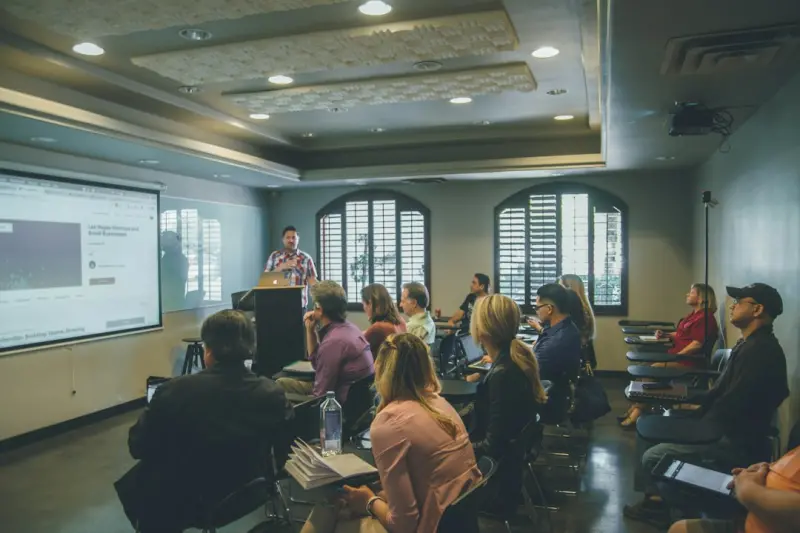
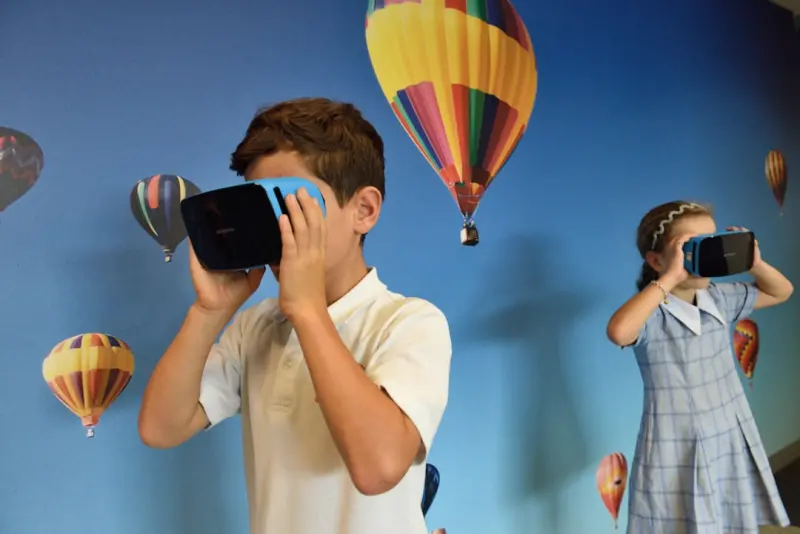
For decades, the dominant model in K‑12 has been the lecture‑centric classroom—a static space where a teacher delivers content and students absorb it. While this model still has merit, it’s increasingly misaligned with how the digital generation consumes information: in short bursts, on-demand, and through interactive media. The immersive micro‑learning pod flips the script. Think of it as a small, tech‑infused enclave where a group of 4‑6 students tackles a single learning objective in a 20‑ to 30‑minute sprint, using a mix of AR/VR, collaborative tools, and AI‑driven feedback loops.
The concept borrows heavily from the “sprint” methodology popularized by product teams. Instead of weeks of planning and a final deliverable, the pod focuses on rapid iteration: a hypothesis, a quick experiment, immediate data, and a refined outcome. This mirrors how software teams iterate, and it’s a model that resonates with students who are already comfortable with agile thinking thanks to the apps and games they play.
Why Pods Work: The Science Behind the Sprint
Research in cognitive psychology tells us that spaced repetition and retrieval practice dramatically improve retention. Micro‑learning pods naturally embed both. By compressing a lesson into a tight timeframe, you force students to retrieve information on the spot, reinforcing neural pathways. Then, the pod cycles back to the same concept in a new context later in the week, achieving the spacing effect without the dreaded “homework dump.”
Moreover, the social component of pods—small groups collaborating in real time—taps into the social learning theory. Students observe peers, model behaviors, and receive immediate peer feedback, which is proven to deepen understanding more effectively than isolated study.
Designing the Pod Experience
Creating a successful micro‑learning pod requires thoughtful design across three dimensions: environment, technology, and pedagogy.
- Environment: The physical space should be flexible, with modular furniture, writable surfaces, and easy access to power. Think of it as a “learning lab” rather than a traditional desk row.
- Technology: Equip the pod with a shared tablet or a lightweight laptop, a set of AR glasses, and a cloud‑based collaboration suite. The key is to keep the tech accessible—no one should spend more time troubleshooting than learning.
- Pedagogy: Adopt a “challenge‑first” approach. Present a real‑world problem (e.g., designing a sustainable water filtration system) and let students dive in. The teacher acts as a facilitator, surfacing resources and nudging the group toward deeper inquiry.
Integrating AI Without Replicating the Classroom Bot
Many educators fear AI will turn teachers into glorified chatbots. In the pod model, AI serves a very specific role: instant, data‑driven feedback. For example, an AI‑powered tutor can analyze a student’s solution path in real time, flag misconceptions, and suggest targeted micro‑resources—videos, simulations, or short readings—without breaking the flow.
It’s crucial to differentiate this from the broader “AI assistant for knowledge workers” narrative that’s been trending elsewhere. Here, AI isn’t the star; it’s the quiet coach that nudges learners back on track, preserving the human‑centered, collaborative essence of the pod.
Accessibility as a Core Pillar
One of the biggest pitfalls in tech‑forward education is overlooking accessibility. By designing pods with accessibility‑first principles, you ensure that every student—whether they have visual, auditory, or motor challenges—can fully engage. This means providing captioned AR content, alternative text for 3D models, and keyboard‑friendly navigation for any software used.
Embedding accessibility from day one not only complies with legal standards but also cultivates an inclusive culture. When students see diverse tools used seamlessly, they internalize the norm that technology should serve everyone.
Measuring Impact: Data That Matters
Just as SaaS teams track activation, retention, and churn, educators can adopt a similar framework for pods:
- Activation: Did students complete the initial challenge within the time box?
- Retention: Are they returning to the pod for subsequent modules?
- Learning Velocity: How quickly are they moving from novice to competent on a given skill?
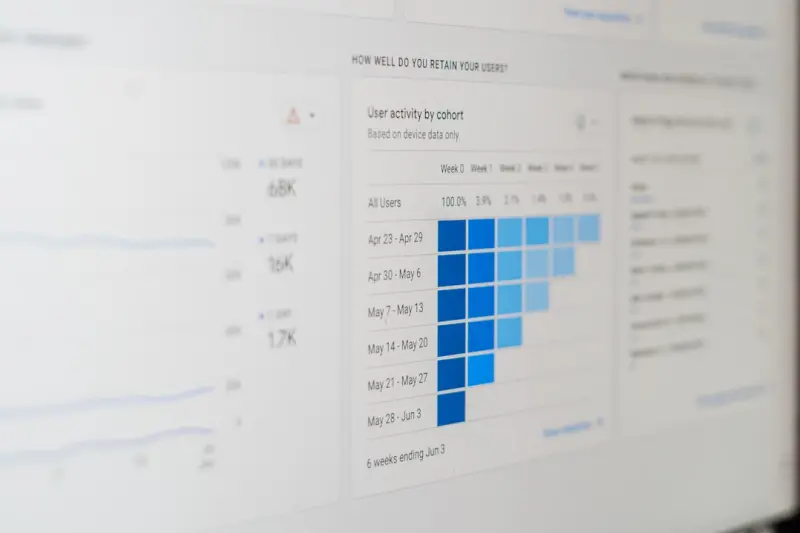
These metrics can be visualized on a simple dashboard, giving teachers a clear pulse on cohort health and enabling rapid iteration of the curriculum—much like A/B testing in product development.
Scaling Pods Without Diluting Quality
Critics often argue that micro‑learning pods are a boutique solution for well‑funded schools. However, the scalability comes from the modular nature of the design. Once a pod template is created—complete with lesson plans, tech setup guides, and assessment rubrics—other classrooms can replicate it with minimal overhead.
Districts can even adopt a “pod‑as‑a‑service” model, where a central team curates content libraries and AI feedback engines, while individual schools focus on facilitation. This mirrors the energy‑as‑a‑service mindset: the infrastructure is centrally managed, but the consumption is localized.
Success Stories: Early adopters speak out
In a pilot program across three middle schools, students using pods showed a 22% improvement in science test scores compared to control groups. More importantly, teachers reported a 30% reduction in preparation time, thanks to reusable pod assets and AI‑generated feedback loops.
One teacher, Ms. Alvarez, described the experience: “I used to spend hours crafting worksheets. Now I spend that time coaching. The kids love the hands‑on challenges, and I love seeing them actually apply concepts in real time.”
Getting Started: A Step‑by‑Step Playbook
- Identify a core competency—choose a skill that can be broken into bite‑sized challenges (e.g., interpreting data sets).
- Map the sprint—design a 20‑minute activity, the resources needed, and the AI feedback checkpoints.
- Set up the environment—rearrange furniture, install the tech stack, and test for accessibility.
- Train facilitators—run a short workshop on sprint facilitation and AI tool usage.
- Launch a pilot—run the pod with a small group, collect activation/retention data, and iterate.
- Scale—document learnings, create a pod template, and roll out school‑wide.
Future Outlook: Pods as Hubs for Lifelong Learning
While the current focus is K‑12, the pod model has the potential to bridge the gap between school and workplace. Imagine a high school pod that partners with a local tech company to solve a real‑world problem—students get exposure, companies get fresh ideas, and the ecosystem becomes a continuous learning loop.
In the long run, these pods could evolve into community learning hubs, where adults return for skill refreshers, and younger students mentor them in return—a true learning in the flow of life paradigm.
Conclusion: Embrace the Sprint, Not the Marathon
Education has long been a marathon—slow, steady, and often resistant to change. The immersive micro‑learning pod invites us to run sprints instead, embracing rapid feedback, collaborative problem‑solving, and technology that amplifies human potential. By designing pods that are accessible, data‑driven, and deeply human, we can unlock a new era where learning feels as natural as the apps we use every day.

Shawn DesRochers is a certified Microsoft technician and Programmer with 30+ year's experience. He has written many reviews on computer related products, software, and SEO related topics. When he's not writing reviews he can be found at one of the Oldest Directories Online Web Domain Authority which he is the CEO of.
Related Posts
Learning in the Flow: How Real-Time Data Is Redefining Classroom Dynamics
A deep dive into how real‑time analytics, modular learning, and secure SaaS platforms are turning ... Read More
Designing Immersive, Experience‑First Learning for Today’s Classroom
A fresh look at education: moving beyond lectures to micro‑contexts, immersive tech, and real‑ti... Read More

When Classrooms Go Holographic: Rethinking Learning with AR and AI
A deep dive into how augmented reality, AI tutors, and microlearning modules combine to create immer... Read More
Top Posts

Courtroom UX: The Unseen Driver of Justice
A fresh look at how applying UX design, real‑time data insights, and responsible AI can modernize courtrooms, improve public trust, and make legal processes m...Read More

How to Raise a Sustainable Pet Without Sacrificing Joy
Explore simple, sustainable pet‑care habits that keep your companion happy and the planet healthier, from eco‑friendly food to DIY toys and greener home set...Read More

Turning Email Into a Trust Engine: Strategies That Cut Through the Noise
Learn how to shift email marketing from a noisy broadcast to a trust‑building conversation by prioritizing consent, adding interactive elements, leveraging AI...Read More

The Invisible Shield: Modern Strategies for Keeping Kids Safe in a Hyper‑Connected World
A comprehensive guide that blends smart‑home design, adaptive digital safeguards, and community collaboration to help parents create an invisible shield prote...Read More
0 Comments
Post Comment
You will need to Login or Register to comment on this post!