

The Impact of Sustainability on the Insurance Industry
As we continue to navigate the complexities of climate change, environmental degradation, and social responsibility, the insurance industry is facing a significant shift in its approach to risk management and sustainability. In this article, I, Lauren Miller, will explore the intersection of sustainability and insurance, and how this evolving landscape is transforming the way insurers operate.
The insurance industry has long been associated with risk management, but as the world grapples with the challenges of climate change, insurers are being forced to rethink their approach to risk assessment and mitigation. Sustainable practices are no longer a nicety, but a necessity, as insurers seek to minimize their environmental footprint while also reducing their exposure to climate-related risks. This shift towards sustainability is not only driven by regulatory requirements, but also by changing consumer expectations and the need to maintain a competitive edge in a rapidly evolving market.
The Growing Demand for Sustainable Insurance Products
Consumers are increasingly seeking out insurance products that align with their values and support sustainable practices. This growing demand has led to the development of new insurance products and services that prioritize sustainability, such as green insurance policies and sustainable investing. These products not only appeal to environmentally conscious consumers but also provide insurers with a new revenue stream and a competitive advantage in the market.
The Role of Technology in Sustainable Insurance
Technology is playing a critical role in the insurance industry's shift towards sustainability. Data analytics and artificial intelligence are being used to better understand and manage climate-related risks, while also identifying opportunities for sustainable growth. For example, insurers are using satellite imaging and sensor data to assess the impact of natural disasters and develop more accurate risk models. This increased use of technology is not only improving the efficiency and effectiveness of insurance operations but also enabling insurers to develop more sustainable products and services.
The Intersection of Sustainability and Risk Management
Sustainability is no longer seen as a separate issue from risk management, but rather as an integral part of it. Insurers are recognizing that climate change and environmental degradation pose significant risks to their business, from increased claims payouts to reputational damage. By prioritizing sustainability, insurers can reduce their exposure to these risks and create long-term value for their customers and stakeholders. This requires a fundamental shift in the way insurers approach risk assessment and mitigation, with a greater emphasis on environmental, social, and governance (ESG) factors.
The Future of Sustainable Insurance
The future of sustainable insurance is likely to be shaped by a range of factors, including regulatory developments, technological innovation, and changing consumer expectations. As the industry continues to evolve, we can expect to see new products and services emerge that prioritize sustainability and support the transition to a low-carbon economy. Sustainable marketing and communication strategies will also play a critical role in promoting sustainable insurance products and services, and raising awareness of the importance of sustainability in the insurance industry.
The Benefits of Sustainable Insurance
The benefits of sustainable insurance are numerous, from reduced environmental impact to improved risk management and increased customer loyalty. By prioritizing sustainability, insurers can also improve their reputation and brand value, while contributing to a more sustainable future. Sustainable insurance products and services can also help to promote sustainable behaviors and practices among consumers, such as sustainable gardening and eco-friendly living.
Challenges and Opportunities
While there are many opportunities for sustainable insurance, there are also challenges to be addressed. One of the biggest challenges is the lack of standardization and regulation around sustainable insurance products and services. This can make it difficult for insurers to develop and market sustainable products, and for consumers to make informed choices. However, this also presents an opportunity for insurers to work with regulators and industry stakeholders to develop new standards and guidelines for sustainable insurance.
Conclusion
In conclusion, the impact of sustainability on the insurance industry is significant, and it is likely to continue to shape the way insurers operate and interact with their customers. By prioritizing sustainability, insurers can reduce their environmental impact, improve risk management, and create long-term value for their customers and stakeholders. As the industry continues to evolve, it is essential that insurers stay ahead of the curve and prioritize sustainability in all aspects of their business.
The Way Forward
The way forward for sustainable insurance is clear: insurers must prioritize sustainability in all aspects of their business, from product development to risk management and marketing. This requires a fundamental shift in the way insurers approach their business, with a greater emphasis on ESG factors and sustainable practices. By working together, insurers, regulators, and industry stakeholders can create a more sustainable future for the insurance industry, and contribute to a more sustainable world.

Lauren Miller is a true outdoors enthusiast who has found her passion in the trades. When she's not working hard on the job, you can find her writing, camping, fishing, and exploring all that nature has to offer. A dedicated partner to her wife Beth, Lauren loves nothing more than spending quality time together and experiencing the great outdoors side by side.
Top Posts
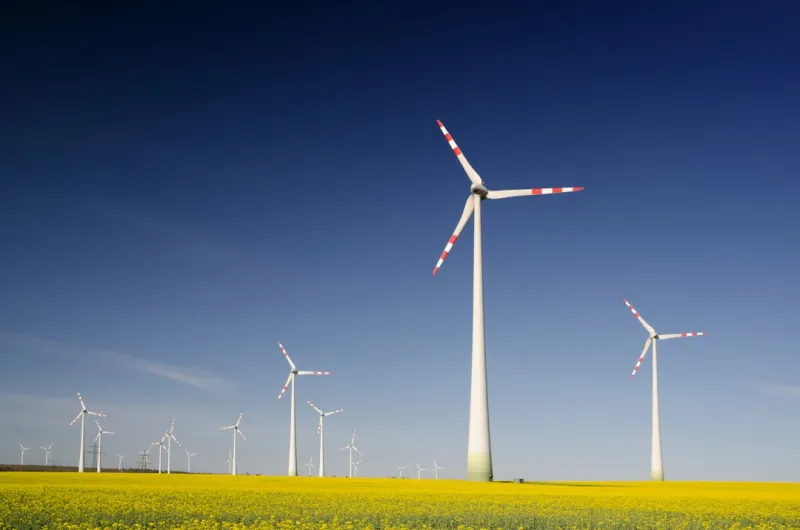
The Future of Energy: How Technology is Revolutionizing Sustainability
The energy sector is undergoing a significant transformation, driven by innovations in renewable energy, energy storage, and smart grid management. Learn about ...Read More

The Intersection of SEO and Sustainability: A New Era of Digital Marketing
The intersection of SEO and sustainability is a rapidly evolving field that presents many opportunities and challenges for businesses looking to make a positive...Read More

The Future of Smartphones: Trends and Innovations to Watch
The smartphone industry is rapidly evolving, with new trends and innovations emerging every year. From AI-powered cameras to 5G networks, discover what's next f...Read More

The Evolution of Branding: How Technology is Revolutionizing the Way We Connect with Consumers
The digital age has brought about a significant transformation in branding. Learn how technology is revolutionizing the way businesses connect with consumers an...Read More
0 Comments
Post Comment
You will need to Login or Register to comment on this post!