

Why Audio Branding Is the Silent Superpower Your Marketing Strategy Needs
When I first stepped into a bustling coffee shop and heard the same three‑note melody humming from the espresso machine, I realized that sound can turn an ordinary transaction into a memorable brand moment; that fleeting tune was not just background noise—it was a deliberate audio branding cue designed to embed the café’s identity in the minds of its patrons. In the age of visual overload, brands that master the subtle art of sonic storytelling can cut through the clutter, creating an emotional anchor that persists long after the visual elements fade. As marketers, we’re accustomed to fighting for eyeballs, yet the ears are often an untapped gateway to deeper engagement, especially when paired with the right technology and data‑driven insights. Embracing this silent superpower means rethinking how we allocate budget, craft creative briefs, and measure impact, all while staying true to the brand’s personality.
The Psychology Behind Sound: How Tiny Audio Cues Trigger Big Emotional Responses
Neuroscience tells us that the brain processes auditory information 40 percent faster than visual data, and it does so in the limbic system, the emotional hub that governs memory, pleasure, and even purchase intent; therefore, a well‑crafted jingle or a distinctive sonic logo can become a subconscious trigger that nudges consumers toward a brand without them realizing why. Think about the subtle “whoosh” when you open a new app, or the comforting chime that greets you at a hotel lobby—these sounds are meticulously calibrated to evoke trust, excitement, or calm, depending on the desired brand mood. By mapping the emotional palette of a brand to specific timbres, tempos, and frequencies, marketers can orchestrate a sensory experience that aligns with their positioning, whether they aim for youthful energy or sophisticated elegance. The key is consistency: just as a visual logo must appear in the same color and proportion, an audio signature should be instantly recognizable across every touchpoint.
From Jingles to Voice Assistants: The Evolution of Conversational Commerce
Today’s consumers are no longer passive listeners; they are active participants in a dialogue with their devices, and that conversation is rapidly becoming a revenue channel as conversational commerce matures across smart speakers, in‑car systems, and mobile assistants. Brands that integrate voice‑first interactions into their sales funnel can guide shoppers through product discovery, answer FAQs, and even close transactions—all while reinforcing their sonic identity through consistent voice tones and sound cues. The challenge lies in designing a conversational flow that feels natural yet purposeful, ensuring that the brand’s personality shines through every prompt without sounding robotic or intrusive. By leveraging AI‑driven natural language processing and aligning the voice’s cadence with the brand’s broader audio strategy, marketers can create seamless, frictionless pathways that turn casual inquiries into loyal customers.
Building an Audio Style Guide: A Blueprint for Consistent Sonic Identity
Just as a visual brand guide dictates color palettes, typography, and logo usage, an audio style guide codifies the sonic elements that define a brand, providing clear instructions on melody, rhythm, instrumentation, and voice talent guidelines; this living document should be accessible to creative teams, agencies, and developers to guarantee uniformity across campaigns and platforms. Start by articulating the brand’s core emotional pillars—such as “innovative optimism” or “trusted reliability”—and translate each into corresponding musical attributes, like major chords for optimism or warm acoustic textures for trust. Next, select a limited set of sonic motifs that can be layered, truncated, or expanded depending on the medium, ensuring flexibility without sacrificing recognizability. Finally, embed the guide within the broader modern plugin ecosystem, using audio plugins that enforce the approved sound library across digital assets, from website headers to email footers.
Measuring the ROI of Sound: Metrics That Prove Audio Branding Pays Off
Quantifying the impact of sound may feel abstract, but a data‑driven approach can reveal clear correlations between auditory cues and key performance indicators such as brand recall, dwell time, and conversion rates; start by establishing baseline metrics through A/B testing, where one group experiences the audio treatment while a control group does not. Track lift in assisted conversions, especially on platforms that support audio playback, and monitor changes in Net Promoter Score (NPS) when a consistent sonic identity is introduced. Additionally, integrate intent‑first SEM strategies to capture search queries that include brand‑related sound terms, revealing organic interest sparked by auditory exposure. By aggregating these data points into a unified dashboard, marketers can justify budget allocations, iterate on creative assets, and demonstrate the tangible business value of a well‑orchestrated audio program.
Case Spotlight: How a Boutique Skincare Brand Turned a Simple Tone into a Trust Engine
When a boutique skincare line launched a soft, nature‑inspired chime to accompany its product videos, the brand observed a 27 percent increase in video completion rates and a 15 percent boost in repeat purchases within three months, illustrating how a modest sonic tweak can amplify consumer confidence. The brand’s team conducted listener surveys that showed a 42 percent rise in perceived product quality after the chime was introduced, underscoring the psychological link between sound and perceived value. By embedding the same chime into their packaging unboxing experience and email newsletters, they created a cohesive auditory journey that reinforced the brand’s “calm, effective, and sustainable” promise at every customer touchpoint. This holistic application of audio branding not only differentiated them from competitors but also cultivated a community of brand advocates who cited the signature sound as a key factor in their loyalty.
Cross‑Channel Integration: Weaving Sound Into Social, Podcast, and Live Experiences
To maximize reach, the audio identity must echo across every channel where the brand speaks, from short‑form TikTok reels that feature a snappy sonic hook to long‑form podcasts that employ a custom intro and outro theme reinforcing the brand’s voice. Live events present another fertile ground: ambient soundscapes can set the mood for product launches, while on‑stage speakers can adopt the brand’s vocal tone guidelines to ensure consistency. Even static assets like print ads can benefit from QR‑enabled audio experiences, allowing consumers to scan and hear a brand‑specific jingle that bridges the physical‑digital divide. By treating sound as a unifying thread rather than an afterthought, marketers can create a multi‑sensory ecosystem that deepens engagement and drives omnichannel coherence.
Potential Pitfalls: Avoiding Overuse, Cultural Missteps, and Accessibility Gaps
While the allure of ubiquitous sound is strong, bombarding audiences with excessive audio can lead to fatigue, annoyance, or even brand aversion; the principle of “less is more” applies, especially when users may be in noise‑sensitive environments like offices or public transport. Cultural nuances also demand careful attention—melodies or instruments that evoke positivity in one market might carry negative connotations in another, so thorough localization testing is essential before global rollout. Moreover, accessibility cannot be an afterthought; provide transcripts, subtitles, and alternative visual cues for hearing‑impaired users, and ensure that audio cues do not become the sole source of critical information, thereby complying with inclusive design standards and avoiding legal pitfalls. By balancing creativity with responsibility, marketers can harness the power of sound without alienating any segment of their audience.
Actionable Checklist: Your First Steps Toward a Resonant Audio Strategy
Ready to let your brand be heard? Begin by auditing existing audio assets and identifying gaps in the customer journey, then draft an audio style guide that aligns with your brand’s emotional pillars and integrates seamlessly with your plugin ecosystem for consistent deployment. Next, pilot a simple sonic element—such as a brand chime or voice‑over script—in a controlled environment, measuring impact through the ROI metrics outlined earlier. Iterate based on data, expand the audio palette across channels, and embed accessibility considerations from day one. By treating sound as a strategic asset rather than an ornamental add‑on, you’ll create a resonant brand experience that not only captures attention but also fosters lasting loyalty.

Karen Edwards is a seasoned freelance writer with a passion for all things furry, feathered, and scaled. With a dedicated focus on pets, she brings a wealth of knowledge and a keen eye for detail to her writing.
Related Posts
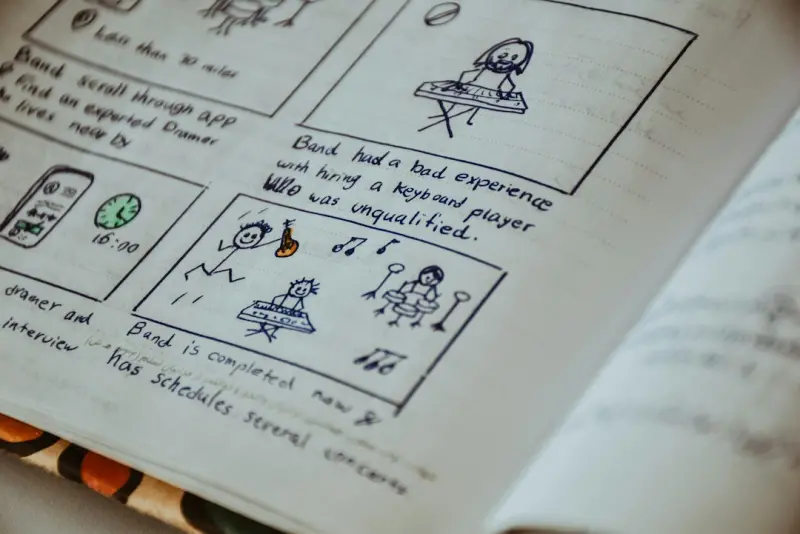
Narrative Playbooks: Scaling Storytelling to Supercharge B2B Growth
A narrative playbook combines core brand DNA, modular story beats, and a data‑driven context engin... Read More

How Purpose‑Driven Marketing Wins Trust and Growth
In this deep dive, I share how purpose‑driven marketing transforms trust, sidesteps scams, and lev... Read More

Conversational Commerce: Turning Chats into Revenue Engines
Learn why messaging platforms are the new sales frontier, how zero‑party data fuels personalizatio... Read More
Top Posts

Data‑First Travel: Crafting Micro‑Itineraries With Real‑Time Insights
Explore a data‑first approach to travel that blends real‑time flight prices, crowd heatmaps, and AI insights to craft personalized micro‑itineraries, turn...Read More
The Untapped Power of Behavioral Triggers in B2B Email Marketing
Learn to turn product usage signals into timely, hyper‑personalized emails that boost conversions, adoption, and retention for B2B SaaS, with a step‑by‑st...Read More
The Hidden Currency of Brand Authenticity: Turning Trust Into Tangible Value
Explore the concrete steps to turn brand authenticity into a valuable trust ledger, leveraging data, zero‑party insights, and cultural alignment to drive reve...Read More

The Power of Micro‑Storytelling in Modern Content Marketing
Micro‑storytelling turns tiny, emotionally resonant narratives into powerful marketing assets. Learn a five‑step framework, channel tactics, and measurement...Read More
0 Comments
Post Comment
You will need to Login or Register to comment on this post!